
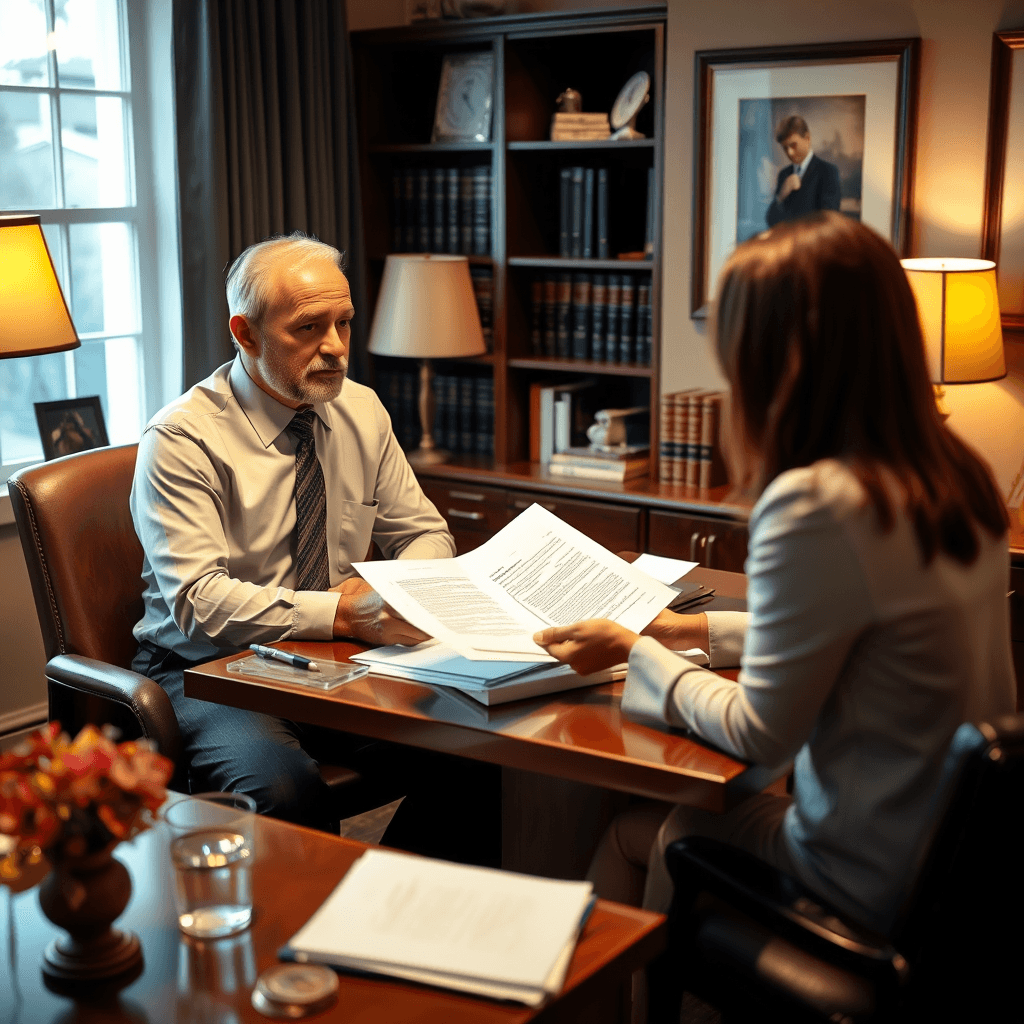
Divorce Mediation Virginia: Your Clear Path Through Mediated & Collaborative Divorce in VA
As of December 2025, the following information applies. In Virginia, divorce mediation involves spouses working with a neutral third party to resolve divorce-related issues amicably, often leading to a legally binding agreement without court intervention. This process helps establish terms for property division, child custody, and support. The Law Offices Of SRIS, P.C. provides dedicated legal defense for these matters.
Confirmed by Law Offices Of SRIS, P.C.
What is Divorce Mediation in Virginia?
When a marriage ends, the path forward can feel overwhelming. Divorce mediation in Virginia is a way to sort through the important decisions you and your spouse need to make, but without the high-stakes drama of a courtroom battle. Essentially, it’s a voluntary and confidential process where you both sit down with a trained, neutral mediator. This person doesn’t make decisions for you or take sides; instead, they help you both talk through issues like property division, child custody, visitation, and spousal support. The goal is to reach agreements that work for everyone, especially any children involved, allowing you to maintain more control over the outcome and often reducing conflict. It’s about finding common ground and building a bridge to your separate futures, rather than burning them down.
Takeaway Summary: Divorce mediation in Virginia offers a confidential and structured way to resolve marital disputes outside of litigation, aiming for mutually agreeable solutions. (Confirmed by Law Offices Of SRIS, P.C.)
How to Approach Divorce Mediation in Virginia?
Approaching divorce mediation in Virginia might seem like just another step in a long process, but it’s a strategic choice that can truly reshape your experience. It’s about setting the stage for calm, constructive talks rather than combative arguments. Here’s a detailed look at the typical steps involved, and how each one helps pave the way for a smoother separation:
-
Understand the Mediation Mindset and Goals
Before you even step into a mediation session, it’s beneficial to understand what you hope to achieve. This isn’t about “winning” but about finding workable solutions. Think of it like this: litigation forces a judge to make decisions about your life; mediation empowers you to make those decisions yourselves. The initial phase often involves educational discussions where the mediator explains the process, sets ground rules, and helps both parties clarify their individual priorities and concerns. This preparation is foundational, ensuring everyone enters with a clear understanding of the mediator’s neutral role and the collaborative spirit required.
-
Selecting a Qualified Mediator in Virginia
The mediator is key to a successful process. They need to be someone both parties trust to be fair and impartial. While Virginia doesn’t strictly require mediators to be attorneys, choosing a mediator with legal experience in family law can be a huge asset. They won’t provide legal advice, but they’ll understand the legal framework within which your agreements must fit. This selection often comes down to recommendations, professional certifications, and a good fit for both spouses’ personalities. A seasoned mediator acts as a guide, helping you identify and frame the issues that need resolution, even when emotions are running high.
-
Gathering and Disclosing Financial & Essential Information
Transparency is absolutely vital in divorce mediation. Both parties are expected to provide full and honest disclosure of all financial documents, including income statements, tax returns, bank accounts, investment portfolios, debts, and property valuations. This comprehensive information creates a clear and accurate picture of your marital estate. Blunt Truth: Trying to hide assets or misrepresent finances will not only undermine the mediation process but could also lead to serious legal repercussions down the road if the case moves to court. A mediator will help ensure this information is exchanged equitably, laying the groundwork for fair negotiations on property division and support.
-
Identifying Key Issues and Setting an Agenda
Once the foundation of trust and information is established, the mediator helps you identify all the specific issues that need resolution. This typically includes the division of marital property and debts, spousal support (alimony), child custody arrangements, visitation schedules, and child support calculations. An agenda is then set, prioritizing these topics to tackle them systematically. Sometimes, easier issues are addressed first to build momentum and demonstrate that agreements are possible. This structured approach prevents conversations from derailing into unproductive arguments, keeping the focus squarely on resolution.
-
Facilitated Negotiation Sessions
These are the core of the mediation process. The mediator facilitates discussions, helps articulate each party’s perspective, and encourages creative problem-solving. They might use various techniques to keep the conversation productive, such as reframing statements, helping identify underlying interests rather than just positions, and exploring different options. These sessions can be challenging, requiring patience and a willingness to compromise. However, the guided environment helps prevent common communication breakdowns and fosters an atmosphere where respectful dialogue can occur, even when discussing difficult topics like the future of your children or the division of cherished assets.
-
Reaching Agreements and Drafting the Memorandum of Understanding (MOU)
As you reach agreements on each issue, the mediator will help document them. Once all issues are resolved, these agreements are compiled into a formal document called a Memorandum of Understanding (MOU). This isn’t a legally binding court order yet, but it’s a detailed blueprint of your mutual decisions. It outlines everything from who gets the house to the precise holiday schedule for the children. This document is a critical step, representing the culmination of your joint efforts and setting the stage for the next legal phase.
-
Independent Legal Review of the MOU
Even though you’ve worked through the MOU in mediation, it’s absolutely essential for each party to have it reviewed by their own independent legal counsel. A Virginia divorce lawyer can explain the legal implications of the agreements you’ve made, ensure your rights are protected, and advise if any terms are not in your best long-term interest. This step is a safeguard, making sure that what you’ve agreed to in mediation is fair and legally sound before it becomes final. Counsel at Law Offices Of SRIS, P.C. can provide this crucial independent review, ensuring you fully understand what you’re signing.
-
Submitting the Agreement to the Court for Final Decree
Once both parties and their independent attorneys are satisfied with the MOU, it’s typically incorporated into a formal Property Settlement Agreement (PSA) or Marital Settlement Agreement (MSA). This agreement, along with other required court documents, is then submitted to the Virginia court. The judge will review the agreement to ensure it is fair and reasonable, especially regarding child support and custody. If everything is in order, the court will incorporate it into your final Divorce Decree, making your mediated agreements legally binding. This final step formalizes your new legal status and the terms of your separation.
Can Divorce Mediation Truly Protect My Interests in Virginia?
It’s a common and completely fair concern: if you’re sitting across from your spouse with a neutral mediator, how can you be sure your side isn’t getting overlooked? The fear that you might unknowingly concede too much or miss vital protections is very real when you’re dealing with something as significant as your future. Here’s the deal: divorce mediation in Virginia, when approached thoughtfully, absolutely can protect your interests, and often more effectively than traditional litigation.
The key lies not in the mediator taking your side – because they won’t, and shouldn’t – but in your preparedness and having independent legal guidance. Think of the mediator as the referee who ensures fair play and keeps the ball moving down the field. Your job, with the assistance of your own legal counsel, is to understand your legal rights, your financial position, and what you genuinely need to move forward. Your attorney isn’t present in the mediation room, but they’re your strategist and advisor behind the scenes.
Here’s why mediation can be a powerful tool for safeguarding your interests:
- Control Over Outcomes: In court, a judge makes decisions for you. In mediation, you and your spouse retain control. This means you can craft creative solutions tailored to your unique family situation, rather than being forced into a one-size-fits-all legal ruling. This control empowers you to protect what matters most to you, whether it’s a specific asset, a particular custody schedule, or the long-term well-being of your children.
- Confidentiality: Unlike public court records, mediation sessions are private. This confidentiality protects your personal and financial information from public scrutiny. It also encourages more open and honest communication, as parties are less likely to posture or hold back when they know their discussions won’t become public record. This privacy is a significant benefit for many individuals seeking to finalize their divorce discreetly.
- Preserving Relationships: While your marriage is ending, especially with children, you’ll still need to co-parent. Mediation fosters a more cooperative environment than litigation, which often exacerbates animosity. By working together to find solutions, mediation can help preserve a more respectful co-parenting relationship, which is hugely beneficial for your children’s emotional health and stability.
- Cost-Effectiveness: Litigation can be incredibly expensive and drain resources that could otherwise go to you and your family. Mediation is generally far less costly, both financially and emotionally. By avoiding extensive court appearances, discovery processes, and legal fees, you’re protecting your financial future by keeping more of your assets where they belong: with you.
- Tailored Solutions: The legal system has rules, but sometimes those rules don’t perfectly fit every family’s nuanced situation. Mediation allows for more flexible and creative solutions that might not be possible in a courtroom. For instance, you might agree on a parenting schedule that rotates based on school holidays in a way a judge might not simply order. This ability to customize agreements truly protects your unique family needs.
Another option in Virginia that shares some similarities with mediation but involves attorneys throughout the process is collaborative divorce Virginia. In a collaborative divorce, both parties and their attorneys commit to resolving issues outside of court. If an agreement isn’t reached, both attorneys must withdraw, and the parties must hire new counsel to litigate. This mechanism strongly incentivizes reaching an agreement cooperatively. Both mediated divorce VA and collaborative divorce Virginia offer alternatives to traditional litigation, aiming for less adversarial outcomes and greater self-determination.
So, yes, with the right approach and competent independent legal counsel like Law Offices Of SRIS, P.C. supporting you, divorce mediation in Virginia is an exceptionally effective way to protect your interests, maintain control, and move forward constructively.
Why Choose Law Offices Of SRIS, P.C. for Your Divorce Mediation in Virginia?
When you’re facing divorce, you need more than just legal representation; you need a partner who understands the emotional weight of your situation and can guide you with a steady hand. At Law Offices Of SRIS, P.C., we recognize that divorce mediation in Virginia isn’t just about legal documents—it’s about rebuilding your life.
Our firm is built on a foundation of genuine concern for our clients’ futures. Mr. Sris, our founder, brings decades of experience to the table, and his personal philosophy underscores our approach: “My focus since founding the firm in 1997 has always been directed towards personally handling the most challenging and complex criminal and family law matters our clients face.” This commitment to individual attention, even in the most intricate family law cases, is what sets us apart.
We believe in empowering you through knowledge, ensuring you understand every step of the mediation process. While mediators are neutral, having knowledgeable counsel review your agreements and advise you throughout ensures that your voice is heard and your interests are safeguarded. We’re here to explain the nuances of Virginia family law, to identify potential pitfalls, and to advocate for fair and sustainable outcomes that truly reflect your needs and the needs of your children.
Our team understands that a mediated divorce VA or a collaborative divorce Virginia situation requires a delicate balance of firmness and diplomacy. We work diligently to prepare you for negotiations, clarify your objectives, and ensure the resulting agreements are comprehensive and legally sound. Our goal isn’t just to finalize your divorce, but to help you lay a strong foundation for your next chapter.
The Law Offices Of SRIS, P.C. has locations in Virginia, including our Fairfax office:
4008 Williamsburg Court, Fairfax, VA, 22032
Phone: +1-703-636-5417
When your future is on the line, choose a firm that offers experienced guidance and unwavering support. Call now for a confidential case review and let us help you work through your divorce mediation in Virginia with confidence.
Frequently Asked Questions About Divorce Mediation in Virginia
What’s the main benefit of mediation over litigation?
The primary benefit is control and collaboration. Mediation allows you and your spouse to decide your future terms, rather than having a judge impose decisions. It fosters cooperation, can be less adversarial, and typically results in more personalized and sustainable agreements for your family. It is also generally less costly.
Is mediation legally binding in Virginia?
The agreements reached in mediation are typically documented in a Memorandum of Understanding. This document, once reviewed by independent counsel and formalized into a Property Settlement Agreement, is then submitted to the court. Upon judicial approval and incorporation into a final Divorce Decree, it becomes legally binding.
How long does divorce mediation typically take in VA?
The duration varies widely depending on the intricacy of issues, the level of cooperation between spouses, and scheduling. Simple cases might resolve in a few sessions over weeks, while more intricate situations could take several months. It’s generally faster than traditional contested litigation.
What if we can’t agree on everything in mediation?
If full agreement isn’t reached, you might mediate some issues and litigate others. Alternatively, you could explore collaborative divorce or other negotiation methods. Partial agreements are still valuable, narrowing down the matters that require judicial intervention and saving time and resources.
Do I still need a lawyer if I’m doing mediation?
Yes, absolutely. While the mediator is neutral and doesn’t provide legal advice, your own independent attorney protects your rights, reviews proposed agreements, and ensures all terms are fair and legally sound. They act as your advocate behind the scenes, offering vital guidance.
Can child custody and support be decided through mediation?
Yes, child custody, visitation, and child support are common issues resolved through mediation. Mediators help parents create detailed parenting plans that prioritize the children’s best interests, often leading to more amicable co-parenting relationships post-divorce. These agreements are subject to court approval.
What’s the difference between mediation and collaborative divorce in Virginia?
In mediation, a neutral third-party mediator facilitates discussions, and attorneys typically review agreements at the end. In collaborative divorce, both parties and their attorneys sign an agreement to resolve issues outside of court. If talks fail, both attorneys must withdraw, incentivizing settlement.
Is divorce mediation confidential?
Generally, yes. Discussions and communications during mediation sessions are typically confidential and cannot be used against either party in court, should the mediation fail. This encourages open and honest dialogue, allowing spouses to explore options freely without fear of prejudice in future proceedings.
What are the costs associated with mediation in VA?
Mediation costs typically include the mediator’s hourly rate, which can be split between parties. It’s often significantly less expensive than litigation due to fewer court appearances and reduced attorney hours. Each party will also bear the cost of their independent legal counsel for advice and review.
What documents do I need for mediation?
You’ll generally need comprehensive financial documents, including income statements, tax returns, bank and investment statements, property deeds, mortgage information, and lists of assets and debts. The mediator will provide a specific checklist tailored to your situation to ensure full disclosure.
The Law Offices Of SRIS, P.C. has locations in Virginia in Fairfax, Loudoun, Arlington, Shenandoah and Richmond. In Maryland, our location is in Rockville. In New York, we have a location in Buffalo. In New Jersey, we have a location in Tinton Falls.
Past results do not predict future outcomes.