
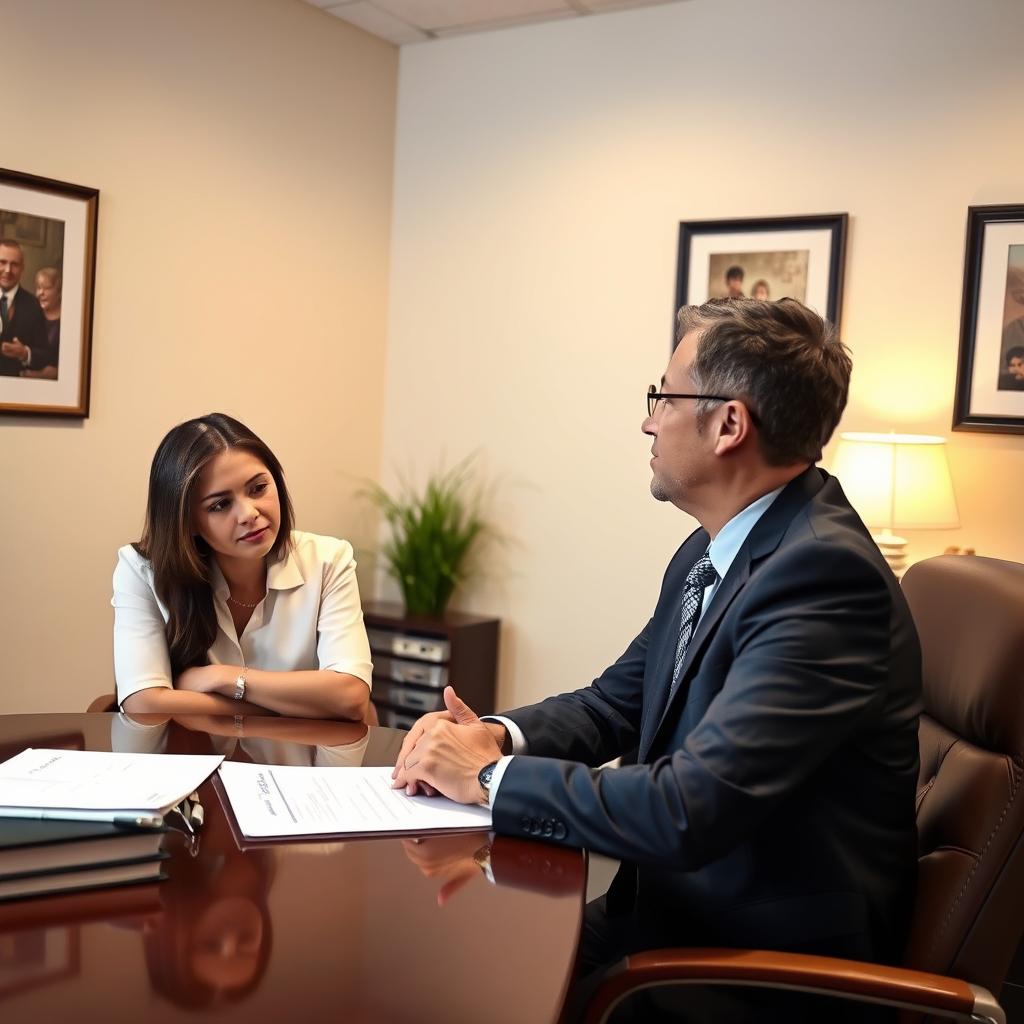
Wage Garnishment Child Support Lawyer Dinwiddie County, VA
Wage garnishment for child support can disrupt your income and financial stability. If you are dealing with a wage withholding order in Dinwiddie County, Virginia—whether you need to enforce a support obligation or seek relief from an improper or excessive garnishment—you may benefit from experienced legal guidance. At Law Offices Of SRIS, P.C., Mr. Sris and his Of Counsel concentrate their practice on family law matters, including child support wage garnishment proceedings before the Dinwiddie County Juvenile and Domestic Relations District Court. Our firm, founded in 1997, represents parents, custodians, and obligors in child support establishment, modification, enforcement, and contempt cases. We understand how garnishment orders operate under Virginia Code Title 20 and federal law, and we work to protect your rights while pursuing a resolution that reflects your current financial circumstances. For a consultation about your specific situation, reach our location at (888) 437-7747. Law Offices Of SRIS, P.C. – Advocacy Without Borders.
Understanding Wage Garnishment for Child Support in Dinwiddie County
When a parent falls behind on child support or a court sets a support obligation, a wage garnishment—often called an income withholding order—may be implemented. In Virginia, both the Division of Child Support Enforcement (DCSE) and the courts can issue such orders, directing an employer to deduct a set amount from the parent’s paycheck each pay period and forward it to the appropriate party.
The Dinwiddie County Juvenile and Domestic Relations District Court handles initial child support determinations, modifications, and enforcement actions, including contempt proceedings for non‑payment. If a parent disputes the amount being withheld or believes the underlying support order no longer reflects their income or the child’s needs, they may petition the court for a modification. An attorney can present evidence of a material change in circumstances—such as a job loss, change in custody, or significant change in the child’s needs—and seek an adjustment to the support obligation and, by extension, the garnishment. Legal representation is particularly valuable when dealing with DCSE administrative calculations, which may not fully account for current earning capacity or other support obligations.
Frequently Asked Questions
How does wage garnishment for child support work in Virginia?
In Virginia, a court or the Division of Child Support Enforcement orders an employer to withhold a portion of a parent’s wages to satisfy child support obligations. The employer deducts the specified amount directly from the employee’s paycheck and sends it to the Virginia Department of Social Services or the designated recipient. This process is mandatory once an income withholding order is in place and continues until the support obligation is modified or terminated. Both federal law and Virginia Code § 20‑79.3 set out the rules for issuing and serving the order on the employer. A parent who wishes to challenge the amount or basis of the garnishment may ask the court to review the order and, if appropriate, modify the underlying support calculation.
Can I stop a wage garnishment for child support in Dinwiddie County?
Stopping a wage garnishment usually requires modifying the underlying child support order or showing that the garnishment was improperly imposed. If your financial circumstances have changed—such as a reduction in income or a change in custody—you may petition the Dinwiddie County Juvenile and Domestic Relations District Court for a modification. An attorney can help you gather the necessary documentation and present your case to the judge. In some situations, if the garnishment was entered without proper legal authority, a challenge may result in the order being vacated. Until a modification is granted, however, the employer is typically required to continue withholding.
How do I modify my child support order to reduce the garnishment?
You must file a petition with the court and show a material change in circumstances, such as a job loss, significant income drop, or change in custody. In Dinwiddie County, this petition is heard in the Juvenile and Domestic Relations District Court. The judge will evaluate whether the existing support order still meets the Virginia child support guidelines under Va. Code § 20‑108.1. A lawyer can help compile pay stubs, tax returns, and other evidence to demonstrate why the current amount is no longer appropriate. Once the order is modified, a new income withholding order will be issued with the corrected amount, and the previous garnishment should adjust accordingly.
What if I am behind on child support and my wages are garnished?
If you are behind, the garnishment will typically include both current support and an additional amount toward arrears. Virginia law allows the withholding of an extra percentage to address past‑due obligations. The DCSE may also intercept tax refunds and suspend licenses for substantial arrears. You can still request a modification to reduce the ongoing support burden, but the arrears remain enforceable. An attorney can review your payment history and help you explore whether any portion of the arrears was incorrectly calculated or whether you qualify for a payment plan. Contacting DCSE directly without legal guidance may not resolve the root problem.
Does wage garnishment apply to bonuses or commissions?
Generally, yes—income withholding orders in Virginia can capture bonuses, commissions, and other forms of earnings, not just regular wages. The definition of “earnings” under federal law is broad and includes most forms of compensation from employment. Employers are responsible for applying the withholding order to these payments. If your income structure makes the standard withholding calculation unfairly burdensome, a court may consider adjusting the support obligation to account for the irregularity of your earnings. An attorney can help present this reality to the judge when seeking a modification.
Can the other parent enforce child support through wage garnishment?
Yes, a custodial parent or the DCSE can request enforcement, including a wage garnishment, if the obligor fails to pay. In Virginia, the DCSE actively enforces support orders on behalf of custodial parents who apply for services. The agency can issue an income withholding order without going back to court in many cases. If you are the parent owed support, you may also petition the Dinwiddie County court directly to compel enforcement. An attorney can assist you in obtaining a garnishment order and ensuring that it is properly served on the employer, helping you receive the support to which your child is entitled.
What happens if my employer fails to withhold child support?
An employer who disregards a valid income withholding order may face penalties, including liability for the amounts that should have been withheld. Under Virginia law, an employer who willfully fails to comply can be held in contempt and may be required to pay the missing support. If you are the employee and the employer’s failure results in arrears, you should document the situation and inform your attorney. The court can then address the employer’s non‑compliance. The DCSE also has enforcement authority against non‑compliant employers and can take administrative action to recover the amounts.
Do I need a lawyer for a child support wage garnishment case in Dinwiddie County?
While not required, having a lawyer can help protect your rights and improve the likelihood of a fair outcome. Wage garnishment cases turn on income calculations, Virginia support guidelines, and procedural rules that vary by court. In the Dinwiddie County Juvenile and Domestic Relations District Court, you will be expected to present evidence and follow legal procedures. An experienced family law attorney can assess whether the garnishment amount is correct, negotiate with the DCSE or opposing party, and represent you at hearings. Mr. Sris and his Of Counsel team at Law Offices Of SRIS, P.C. have extensive experience handling child support matters throughout Virginia.
Can I file for bankruptcy to stop child support garnishment?
No—child support obligations are not dischargeable in bankruptcy, and an automatic stay generally does not stop wage garnishment for child support. Under federal bankruptcy law, domestic support obligations are given priority and are not eliminated through Chapter 7 or Chapter 13. While a Chapter 13 plan may help you catch up on arrears over time, the garnishment for current support typically continues. An attorney can help you explore whether a modification of the support order itself is a more realistic path to financial relief than bankruptcy.
How long does it take to get a child support modification in Dinwiddie County?
The timeline depends on the court’s calendar and the complexity of the case, but a contested modification may take several months. After you file a petition, the court schedules a hearing based on its availability. Uncontested modifications—where both parties agree—may be resolved more quickly. Gathering financial documentation, calculating the Virginia guideline amount, and presenting the evidence at a hearing all contribute to the timeframe. Working with an attorney can help ensure your petition is complete and that you are prepared for any procedural hurdles, potentially reducing delays.
What court handles child support and wage garnishment in Dinwiddie County?
The Dinwiddie County Juvenile and Domestic Relations District Court at the Dinwiddie Courthouse, Dinwiddie, VA 23841, handles child support and related enforcement matters. This court has jurisdiction over support establishment, modification, and contempt proceedings for families in Dinwiddie County. Hearings are conducted by a judge, and the court can issue income withholding orders and enforce compliance. If a case involves divorce‑related issues beyond support and custody, the Dinwiddie County Circuit Court may also become involved. For most wage garnishment and child support disputes, however, the Juvenile and Domestic Relations District Court is the proper venue.
Are there limits on how much of my wages can be garnished for child support?
Federal and Virginia law place caps on the percentage of disposable earnings that may be garnished for child support, to ensure a parent retains a portion of their income. The limits are designed to prevent an excessive financial burden while still enforcing support obligations. If you believe the amount being withheld exceeds what is legally permitted or ignores your other financial responsibilities, a lawyer can review your pay stubs and the order to determine whether the garnishment is correctly calculated. In some cases, the court may need to adjust the withholding to comply with legal limits.
About Mr. Sris and His Of Counsel Team
Mr. Sris, Owner and Founder of Law Offices Of SRIS, P.C., has been practicing law since 1997. A former prosecutor, he brings a practical understanding of courtroom dynamics to family law cases, including child support and wage garnishment proceedings. Admitted in Virginia, Maryland, the District of Columbia, New Jersey, and New York, Mr. Sris leads a team of experienced Of Counsel attorneys who concentrate their work on family law, criminal defense, and related matters. Together, Mr. Sris and his Of Counsel bring over 120 years of combined legal experience with 4,739+ documented firm-wide results, helping clients in Dinwiddie County and across Virginia navigate complex support enforcement and modification issues. Results may vary. The firm’s Richmond location—7400 Beaufont Springs Drive, Suite 300, Room 395, Richmond, VA 23225—serves clients throughout the region. To request a consultation, call (888) 437-7747.
Attorney advertising. Prior results do not guarantee a similar outcome.
Case results depend on a variety of factors unique to each case.