
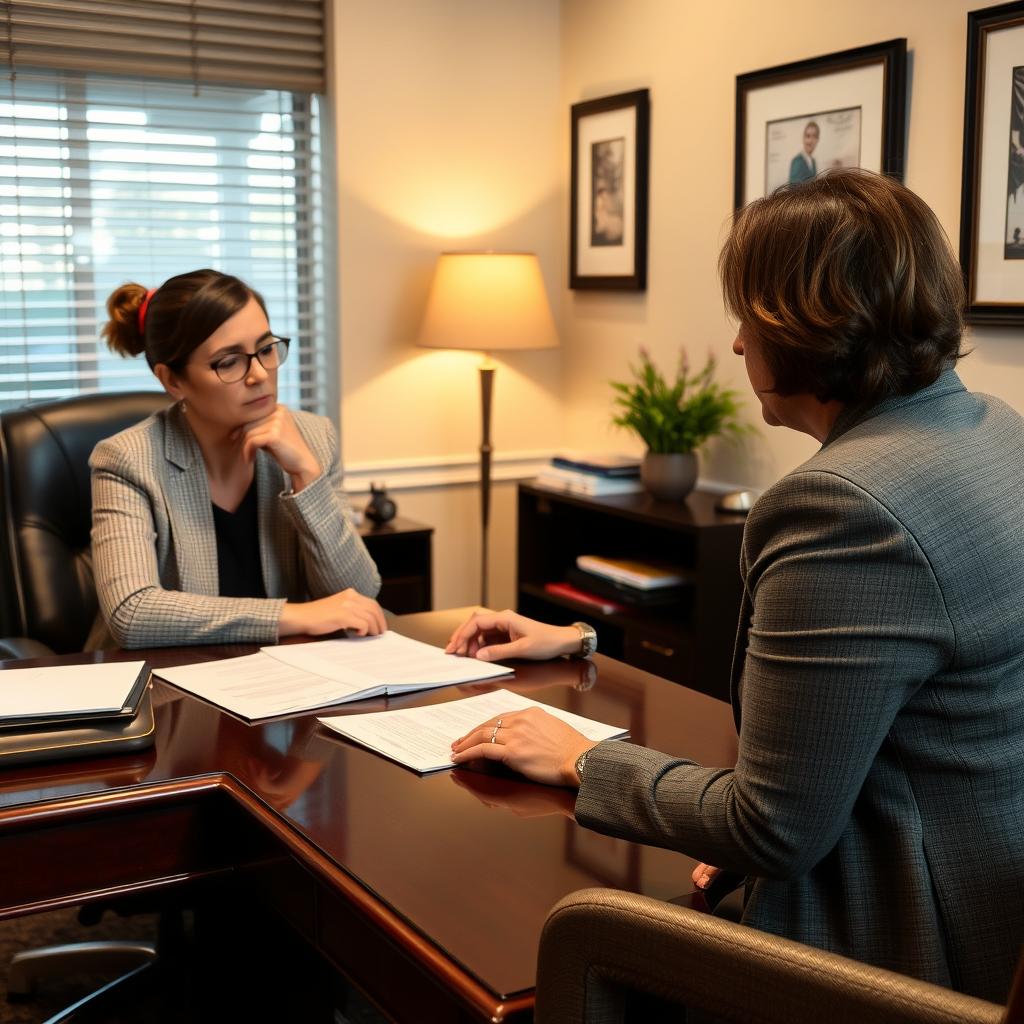
Visitation Modification Lawyer Virginia, VA
Visitation orders in Virginia are established based on the best interests of the child, but life circumstances change. A parent may need to seek a change to an existing parenting time schedule when a job relocation, a shift in the child’s needs, or another substantial development alters the landscape that supported the original order. Law Offices Of SRIS, P.C., founded in 1997, represents parents across Virginia in visitation modification matters—whether a parent is requesting expanded time, opposing a change that disrupts an established routine, or addressing concerns about the child’s welfare. Mr. Sris and his Of Counsel team bring extensive family law experience to each case. Virginia law requires a showing of a material change in circumstances and a determination that the proposed modification serves the child’s best interests under the factors listed in Va. Code § 20-124.3. The firm appears in circuit courts and juvenile and domestic relations district courts across the Commonwealth. Reach our firm at (888) 437-7747 to request a consultation. Law Offices Of SRIS, P.C. – Advocacy Without Borders.
What Visitation Modification Means in Virginia
Under Virginia law, visitation—often called parenting time—is the schedule that governs when a non-custodial parent or other person spends time with a child. Once a court enters a visitation order, either as part of a divorce decree or as a standalone custody and visitation determination, that order remains in effect until it is modified by the court. Visitation modification is the legal process of asking a Virginia court to change an existing visitation schedule. The governing statute is Va. Code § 20-124.2, which provides that a court may alter a visitation order upon a showing of a material change in circumstances and a finding that the requested change supports the child’s best interests. Virginia courts evaluate the child’s best interests using the ten factors enumerated in Va. Code § 20-124.3, including each parent’s relationship with the child, the child’s needs, the role each parent has played in the child’s upbringing, any history of family abuse, and other considerations the court deems relevant.
The venue for a visitation modification depends on the procedural posture of the case. If visitation was originally set in a divorce decree, the modification petition is heard in the circuit court that issued the decree. If the visitation order arose from a standalone custody or support proceeding, the matter is typically heard in the juvenile and domestic relations district court of the county or city where the child resides. Law Offices Of SRIS, P.C. Appears in both circuit courts and J&DR courts throughout Virginia, from Fairfax County and Prince William County to Richmond, Loudoun, and beyond. Parents may also reach an agreement to modify visitation privately and submit it to the court for approval. When parents agree, the process is often more straightforward, but when they disagree, the matter proceeds to a hearing where each side presents evidence and argument. Because Virginia does not impose a fixed waiting period before a modification petition can be filed, the central question is always whether the current order continues to work in the child’s best interests. Mr. Sris and his Of Counsel help parents evaluate whether the facts on the ground justify a modification request and, if so, how best to frame the case for the court.
How Mr. Sris and His Of Counsel Handle Visitation Modification Cases
Every visitation modification case begins with a careful review of the existing order and the factual developments that have occurred since it was entered. Mr. Sris and his Of Counsel meet with the parent to understand the change in circumstances—such as a new work schedule, a move to a different school district, a deterioration in the child’s relationship with the other parent, or concerns about the child’s safety—and then assess how those facts align with the statutory factors the court will consider. The firm’s approach is to prepare each matter as though it will go to a hearing, even when the goal is a negotiated resolution. This preparation includes gathering documentary evidence, identifying potential witnesses, and, when appropriate, consulting with child psychologists, school personnel, or other professionals who can provide insight into the child’s circumstances.
If a negotiated modification is possible, the firm works to craft a written agreement that addresses the new schedule and any related provisions—such as holiday and summer parenting time, transportation responsibilities, and communication between the parents—and presents it to the court for approval. When litigation is unavoidable, the firm presents the parent’s position through direct examination, cross-examination, and argument that focuses the court on the trusted‑interests factors. Mr. Sris’s background as a former prosecutor gives him significant courtroom experience that translates directly to the contested hearing environment. The firm’s Of Counsel attorneys, all experienced litigators, collaborate on cases to ensure thorough preparation. Throughout the process, the firm emphasizes clear communication with the client about what the court can and cannot order under Virginia law and what the likely timeline will be given the court’s calendar.
About Mr. Sris and His Of Counsel Team
Mr. Sris, Owner and Founder of Law Offices Of SRIS, P.C., has practiced law since 1997. A former prosecutor, he brings firsthand courtroom experience to family law matters, including contested visitation modification hearings. Mr. Sris is admitted to practice in Virginia, Maryland, the District of Columbia, New Jersey, and New York. He testified before the Virginia House Courts of Justice Committee in support of 2019 HB 635 (chief patron Del. David Bulova). Mr. Sris works alongside a team of experienced Of Counsel attorneys who contribute their own substantial backgrounds to the firm’s family law practice. Mr. Sris and his Of Counsel bring over 120 years of combined legal experience and have achieved over 4,739 documented firm-wide results. Results may vary.
Frequently Asked Questions
What is visitation modification in Virginia?
Visitation modification is a court‑ordered change to an existing parenting time schedule. When a Virginia court enters a visitation order, it remains in force until a party demonstrates a material change in circumstances and shows that the proposed change advances the child’s best interests. Modification can involve increasing, decreasing, or restructuring parenting time, altering holiday schedules, or imposing or removing restrictions on visitation. The proceeding may be initiated by either parent and, in certain circumstances, by another person with a legitimate interest.
When can a parent request a visitation modification in Virginia?
A parent may request a modification whenever a substantial change in circumstances has occurred since the last order and the change would serve the child’s best interests. Examples include a parent’s relocation, a change in the child’s school or medical needs, or evidence that the current schedule is no longer working. There is no mandatory waiting period, but the parent seeking the change must present evidence that supports both the change in circumstances and the child’s best interests. A court will not modify visitation simply because one parent wants a different arrangement absent a material change.
Do I need a lawyer for a visitation modification in Virginia?
While you are not legally required to hire a lawyer, an experienced family law attorney can help present your case effectively and protect your rights. Visitation modification cases often involve nuanced legal standards and the need to gather and present evidence. An attorney can evaluate your situation, explain what the court will consider, and develop a strategy that aligns with the statutory factors. Representing yourself may be possible in an uncontested matter, but when the other parent opposes the change or when the facts are disputed, legal guidance can make a meaningful difference.
How does the visitation modification process work in Virginia?
The process typically begins with filing a petition in the appropriate court, serving the other parent, and attending a hearing. If the visitation order is part of a divorce decree, the petition is filed in the circuit court that granted the divorce. For standalone visitation orders, the juvenile and domestic relations district court of the child’s residence usually has jurisdiction. After filing, the other parent must be served with notice. The court may schedule a preliminary hearing or mediation before a final hearing. At the hearing, each side presents evidence. If parents reach an agreement, they can submit a written consent order for the judge’s approval.
What does the court consider when deciding a visitation modification in Virginia?
The court considers whether a material change in circumstances has occurred and whether the requested modification is in the child’s best interests under the ten factors in Va. Code § 20-124.3. Those factors include the child’s age and physical and mental condition, each parent’s age and condition, the relationship between each parent and the child, the child’s needs including relationships with siblings and extended family, the role each parent has played in the child’s life, each parent’s willingness to support the child’s relationship with the other parent, and any history of family abuse. The catch‑all tenth factor allows the court to consider anything else it deems relevant.
How long does a visitation modification case take in Virginia?
The timeline varies by case complexity and court scheduling. An uncontested modification that both parents agree to can be resolved relatively quickly once the agreement is filed with the court. Contested cases, by contrast, may take longer because they involve discovery, possible mediation, and a hearing date determined by the court’s docket. The firm works to move each case forward efficiently while giving the court the information it needs to make a well‑informed decision.
Internal resources: Virginia Family Law Practice · Child Custody Lawyer Virginia · Child Support Modification Lawyer Virginia · Alimony Modification Lawyer Virginia · Divorce Lawyer Virginia
Virginia primary sources: Virginia Code · Virginia Judicial System
Attorney advertising. Prior results do not guarantee a similar outcome. Results may vary. Case results depend on a variety of factors unique to each case.