
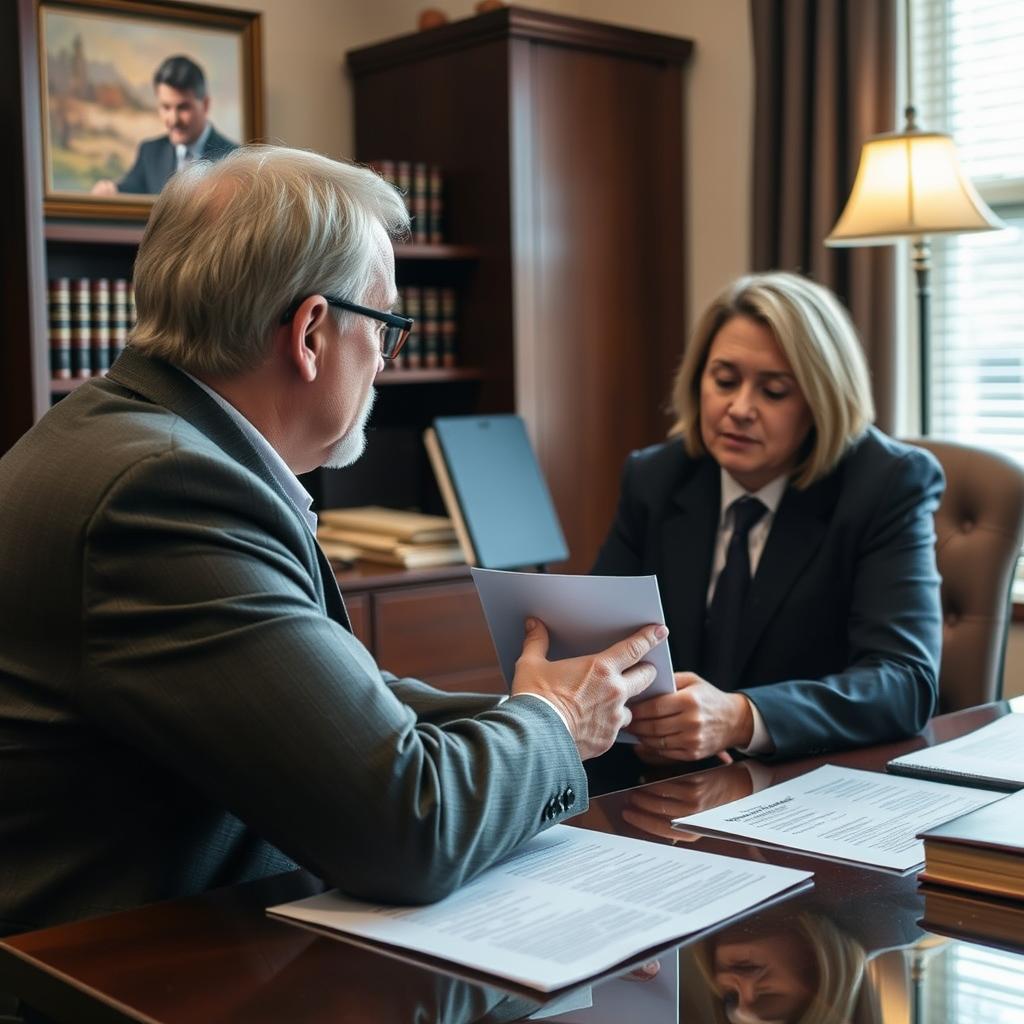
Visitation Modification Lawyer Dinwiddie County, VA
When parents separate or divorce, the visitation schedule established by the court or agreed upon by the parties can serve families well for years. But children grow, jobs change, and life circumstances shift. When a current visitation arrangement no longer works for a family in Dinwiddie County, Virginia, a parent or guardian may need to seek a modification of that order. The Dinwiddie County Juvenile and Domestic Relations District Court handles standalone visitation and custody matters, and the Dinwiddie County Circuit Court addresses visitation as part of divorce and equitable distribution proceedings. These courts apply Virginia’s statutory framework—principally Va. Code § 20‑124.2 and the trusted‑interests factors of § 20‑124.3—to decide whether a change in the existing order is warranted. Law Offices Of SRIS, P.C. Concentrates its practice in family law matters including visitation modification and represents clients throughout Dinwiddie County, from Dinwiddie to McKenney. To discuss your situation with Mr. Sris and his Of Counsel, reach our location at (888) 437‑7747. Law Offices Of SRIS, P.C. – Advocacy Without Borders.
How Visitation Modification Works in Dinwiddie County, Virginia
A visitation order may be modified when the parent seeking the change can demonstrate a material change in circumstances since the entry of the last order, and that the proposed modification serves the best interests of the child. Virginia courts do not alter visitation lightly; the moving party must present evidence that the existing arrangement no longer supports the child’s welfare. The process begins with a petition filed in the court that has jurisdiction—typically the Dinwiddie County Juvenile and Domestic Relations District Court if the visitation order was entered there as a standalone matter, or the Dinwiddie County Circuit Court if it is part of an ongoing divorce case. Parents may also agree to a modification and submit a consent order to the court for approval. If the parties cannot agree, the court holds an evidentiary hearing to review the facts.
Dinwiddie County sits within the Eleventh Judicial District, and its courts follow the same Virginia statutory scheme that governs visitation throughout the Commonwealth. Under Va. Code § 20‑124.3, the judge considers ten factors when deciding what arrangement serves the child’s best interests: the child’s age and physical and mental condition, each parent’s age and condition, the existing relationship between the child and each parent, the child’s need for continuity with siblings and extended family, the role each parent has played and will play in the child’s upbringing, each parent’s willingness to support a close and continuing relationship with the other parent, the relative willingness and ability of each parent to maintain a close relationship, the child’s reasonable preference if of suitable age and maturity, any history of family abuse or sexual abuse, and any other relevant factor the court deems proper. Although the parents’ wishes are heard, the court’s focus remains squarely on the child. An attorney familiar with Dinwiddie County court practices can help a parent gather and present the evidence that speaks to these statutory factors.
Mediation is available but not mandatory in Virginia. Many families in Dinwiddie County resolve visitation disputes through negotiation before a contested hearing, saving time and the emotional strain of litigation. If an agreement cannot be reached, the case proceeds to a hearing before the judge assigned to the matter. The court schedules the hearing based on its own calendar, and the timeline varies depending on the complexity of the issues, the availability of witnesses, and whether a guardian ad litem is appointed to represent the child’s interests. Throughout the process, the parent who seeks the modification must remain mindful that the court will look at the child’s overall stability and the reasons for the proposed change.
How Mr. Sris and His Of Counsel Handle Visitation Modification Cases
When a parent or guardian contacts Law Offices Of SRIS, P.C. about a visitation modification in Dinwiddie County, Mr. Sris and his Of Counsel start by listening. They want to understand what has changed, how the change affects the child, and what the parent hopes to accomplish. They then evaluate the existing court order and the circumstances that gave rise to it. This initial assessment helps identify the statutory factors that support the modification and any weaknesses in the opposing party’s position. If a negotiated resolution appears possible, Mr. Sris and his Of Counsel work toward a settlement that can be submitted to the court as a consent order. If litigation becomes necessary, they prepare a thorough case, gather documentary evidence, identify and prepare witnesses, and present the facts to the judge in a clear and organized manner.
Because visitation cases are intensely personal, Mr. Sris and his Of Counsel approach each matter with professionalism and attention to the details that matter to a Dinwiddie County judge. They appear regularly in the Dinwiddie County Juvenile and Domestic Relations District Court and the Dinwiddie County Circuit Court, and they understand the importance of presenting evidence that is both legally sound and factually compelling. They also recognize that a parent facing a contested modification may feel anxious about the outcome; they provide straightforward guidance about what to expect, keeping the parent informed at each stage. Their goal is to help the parent achieve a visitation arrangement that supports the child’s well‑being while complying with Virginia law.
About Mr. Sris and His Of Counsel Team
Mr. Sris, Owner and Founder of Law Offices Of SRIS, P.C., is a former prosecutor who founded the firm in 1997. He is admitted to practice in Virginia, Maryland, the District of Columbia, New Jersey, and New York. His background in criminal trial work informs his family law practice, giving him insight into the evidentiary and procedural demands that arise when family court matters involve allegations of abuse, neglect, or domestic violence. Mr. Sris keeps his personal caseload under careful management to ensure that each client receives focused attention; he appears in Dinwiddie County matters and works alongside his Of Counsel team to develop a strategy tailored to the facts of each case.
Mr. Sris and his Of Counsel bring over 120 years of combined legal experience. Results may vary. The firm has achieved 4,739+ documented firm-wide results. The Of Counsel attorneys who support visitation modification cases have substantial experience in family law litigation in Virginia, and they work under the umbrella of Law Offices Of SRIS, P.C. to provide clients with thorough, prepared representation. The firm serves families throughout Dinwiddie County from its Richmond location at 7400 Beaufont Springs Drive, Suite 300, Room 395, Richmond, VA 23225. Consultations are available by appointment, and phones are answered at (888) 437‑7747 24 hours a day, seven days a week.
Frequently Asked Questions
How can I modify a visitation order in Dinwiddie County?
To modify a visitation order in Dinwiddie County you must file a petition in the court that issued the existing order—usually the Juvenile and Domestic Relations District Court or the Circuit Court—and show that a material change in circumstances has occurred since the last order and that the proposed change serves the child’s best interests. The court reviews evidence from both parents, and a guardian ad litem may be appointed to represent the child. If the parents agree on a modification, they can submit a consent order for the court’s approval without a full hearing.
What does a judge consider when deciding a visitation modification case?
A Virginia judge considers the ten statutory factors listed in Va. Code § 20‑124.3, including the child’s age, each parent’s relationship with the child, the role each parent has played in the child’s life, and any history of abuse. The court’s primary focus is the best interests of the child. Other factors, such as a parent’s relocation, a change in the child’s school schedule, or a parent’s work hours, may also be relevant if they affect the child’s stability and the feasibility of the existing arrangement.
Do I need a lawyer to modify visitation in Dinwiddie County?
You are not required to have a lawyer to file a petition for visitation modification, but representation can help you present the strong case and avoid procedural missteps. An attorney understands the relevant statutes, the rules of evidence, and the practices of the Dinwiddie County courts. Especially when the other parent is opposed to the modification, having an experienced advocate can make a meaningful difference in presenting your side of the story effectively.
Can grandparents seek visitation rights in Dinwiddie County?
Virginia law allows grandparents to petition for visitation in limited circumstances under Va. Code § 20‑124.1, but they must demonstrate that the child would suffer actual harm without the visitation. The court balances the parent’s right to make decisions about their child’s upbringing with the grandparent’s interest in maintaining a relationship. Grandparents seeking visitation in Dinwiddie County must file their petition in the Juvenile and Domestic Relations District Court and meet a high evidentiary standard.
How long does a visitation modification case take?
The time needed to resolve a visitation modification case in Dinwiddie County varies depending on whether the parents agree, whether a guardian ad litem is involved, and the court’s docket. An uncontested modification that the parents submit by consent can be finalized relatively quickly once the court reviews the order. A contested case with hearings, witness testimony, and possible expert evaluations can extend for a longer period. There is no fixed timeline; the court sets its own schedule and prioritizes cases involving the immediate welfare of children.
What is the difference between a visitation modification and a custody modification?
Visitation refers to the schedule and terms of parenting time with the child, while custody determines which parent has legal authority to make major decisions about the child’s upbringing. Modifying visitation typically involves changing the days, times, or conditions of a parent’s access to the child, whereas modifying custody changes the legal framework for decision‑making and primary residence. Both types of modification require a showing of a material change in circumstances and a focus on the child’s best interests.
- Fairfax County Family Law Lawyer
- Fairfax Family Law Attorney
- Prince William County Family Law Lawyer
- Manassas Family Law Representation
- Falls Church Family Law Attorney
Attorney advertising. Prior results do not guarantee a similar outcome. Results may vary.
Case results depend on a variety of factors unique to each case.