
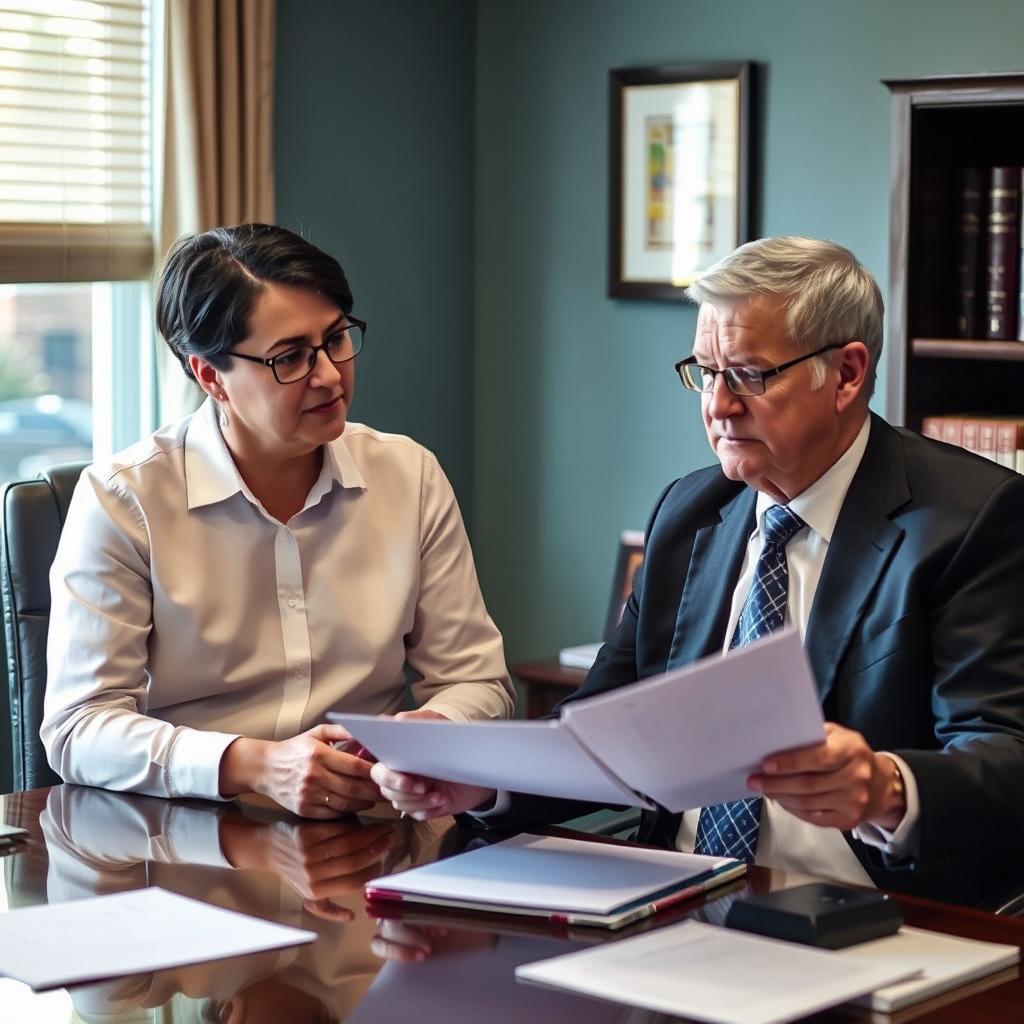
Supervised Visitation Lawyer Powhatan County, VA
When concerns about a child’s safety lead the court to limit a parent’s time with their child, the resulting supervised visitation order can affect the entire family. In Powhatan County, Virginia, supervised visitation matters are heard in the Juvenile and Domestic Relations District Court, and when they arise alongside a divorce or custody dispute in the Circuit Court. Law Offices Of SRIS, P.C. represents parents throughout Powhatan County and the surrounding communities—including Powhatan, Moseley, Flat Rock, and Huguenot Springs—who are facing supervised visitation proceedings or seeking to modify an existing order. Mr. Sris and his Of Counsel team bring extensive family law experience to these emotionally charged matters, focusing on the child’s well‑being while protecting the parent‑child relationship. To schedule a consultation, call (888) 437‑7747. Law Offices Of SRIS, P.C. – Advocacy Without Borders.
What Supervised Visitation Means in Powhatan County
Supervised visitation is a court‑ordered arrangement that requires a parent’s time with a child to take place in the presence of a neutral third party. In Powhatan County, this type of order is issued when the court determines that unrestricted contact would pose a risk to the child’s physical or emotional safety. The legal authority for such orders rests in Virginia Code § 20‑124.2 and the broader best‑interest framework set out in § 20‑124.3.
The Powhatan County Juvenile and Domestic Relations District Court handles standalone custody and visitation petitions, while the Powhatan County Circuit Court addresses visitation issues that are part of a divorce or equitable distribution case. Both courts apply the same statutory factors: the child’s age and health, the nature of the relationship with each parent, any history of abuse or neglect, and any other circumstance the court considers relevant. A supervised visitation order is designed to protect the child while allowing the parent‑child bond to continue in a controlled environment. The specific form of supervision—whether by a professional supervisor, a family member, or at a county‑approved center—is set by the court after considering the facts of the particular case.
How Mr. Sris and His Of Counsel Handle Supervised Visitation Cases
Mr. Sris and his Of Counsel approach each supervised visitation matter by first understanding the family’s circumstances and the concerns that prompted the court’s involvement. Whether a parent is seeking to establish supervised visitation to protect a child or is working to lift or modify an existing supervised arrangement, the legal strategy is built around the child’s best interests and the parent’s demonstrated ability to provide a safe environment.
The firm gathers relevant evidence, which may include school records, medical reports, witness statements, and the observations of any Guardian ad litem appointed by the court. When appropriate, Mr. Sris and his team work with mental health professionals, custody evaluators, and parenting coordinators to present a complete picture to the court. In every case, the goal is to present a well‑prepared argument that addresses the statutory factors under Virginia law and respects the procedural requirements of the Powhatan County Juvenile and Domestic Relations District Court or the Circuit Court. The firm’s representation covers all phases of a supervised visitation case, from emergency hearings to final orders and post‑order modifications.
About Mr. Sris and His Of Counsel Team
Mr. Sris, Owner and Founder of Law Offices Of SRIS, P.C., has practiced law since 1997. A former prosecutor, he brings trial experience and insight into how the legal system evaluates family law matters. He is admitted to practice in Virginia, Maryland, the District of Columbia, New Jersey, and New York. Mr. Sris and his Of Counsel bring over 120 years of combined legal experience and have achieved 4,739+ documented firm-wide results, drawing on backgrounds that include former prosecutorial service, law enforcement, and extensive family law litigation. Results may vary. The firm’s Richmond location, at 7400 Beaufont Springs Drive, Suite 300, Room 395, Richmond, VA 23225, serves clients in Powhatan County and the surrounding Central Virginia region.
Frequently Asked Questions
What is supervised visitation in Virginia?
Supervised visitation is a court-ordered arrangement where a parent’s parenting time with a child must occur with a neutral third party present. A Virginia court may impose supervised visitation when it finds that unrestricted contact could endanger the child’s safety or well‑being. The supervisor documents the visits and reports back to the court. The level of supervision, location, and frequency are set by the court based on the facts of the case and the best interests of the child under Va. Code § 20‑124.3. For guidance on your specific situation, reach Law Offices Of SRIS, P.C. at (888) 437‑7747.
When does a Virginia court order supervised visitation?
A court may order supervised visitation when there is evidence of abuse, neglect, substance misuse, mental health concerns, or a history of domestic violence. The court evaluates any factor that could affect the child’s safety, including a parent’s current living situation and prior conduct. A Guardian ad litem may be appointed to investigate and make recommendations. The goal is to protect the child while preserving the parent‑child relationship under safe conditions. To discuss the details of your matter, contact Law Offices Of SRIS, P.C. at (888) 437‑7747.
How can a supervised visitation order be modified in Powhatan County?
A parent may petition the court to modify or terminate supervised visitation by showing a material change in circumstances that removes the safety concern. The parent seeking modification must demonstrate, through credible evidence, that supervised contact is no longer necessary. The court will review the child’s current environment, any completed parenting classes or counseling, and the supervisor’s reports. The motion is filed in the same court that issued the original order—either the Powhatan County Juvenile and Domestic Relations District Court or the Circuit Court. For a consultation, reach Mr. Sris and his Of Counsel at (888) 437‑7747.
Do I need a lawyer for a supervised visitation hearing in Powhatan County?
You are not legally required to have a lawyer, but supervised visitation proceedings involve important rights and the outcome can be long‑lasting. An attorney can help you present evidence, cross‑examine witnesses, and argue the statutory best‑interest factors effectively. Because supervised visitation orders are often tied to serious allegations, legal representation can help ensure your side of the story is fully heard. Law Offices Of SRIS, P.C. represents parents in Powhatan County supervised visitation matters. Call (888) 437‑7747 to request a consultation.
What factors does the Powhatan County Juvenile and Domestic Relations Court consider when ordering supervised visitation?
The court considers all of the trusted-interest factors listed in Va. Code § 20‑124.3, with particular attention to any history of family abuse, the child’s age and physical condition, and each parent’s ability to meet the child’s needs. The court also weighs the need to protect the child against the importance of maintaining the parent‑child bond. Evidence of recent improvements—such as successful completion of a substance‑abuse program or anger‑management course—may influence the court’s decision. The presiding judge has broad discretion to craft an order tailored to the family’s situation.
Outbound authority: Virginia Code Title 20 (Domestic Relations) | Powhatan County Circuit Court | Virginia Judicial System
Attorney advertising. Prior results do not guarantee a similar outcome.
Case results depend on a variety of factors unique to each case.