
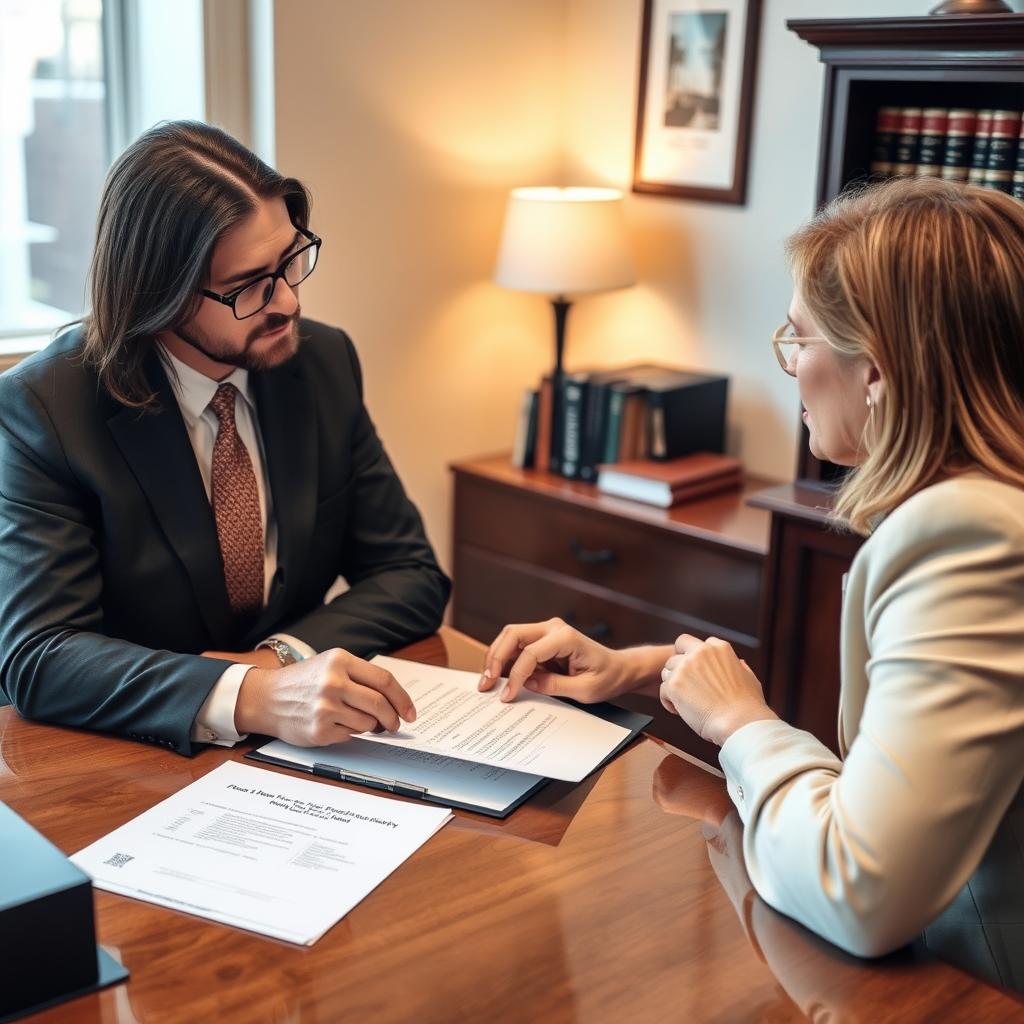
Property Settlement Lawyer Isle of Wight County, VA
When a marriage ends in Isle of Wight County, dividing what you and your spouse have built together can be one of the most challenging parts of the process. Property settlement—the legal resolution of how marital assets and debts are distributed—requires careful attention to Virginia’s equitable distribution statute and an understanding of how the Isle of Wight County Circuit Court handles these matters. At Law Offices Of SRIS, P.C., Mr. Sris and his Of Counsel team represent clients throughout Smithfield, Windsor, Carrollton, and the surrounding communities in property settlement matters, helping them work toward a fair division of property in a divorce. To request a consultation about your situation, call (888) 437-7747. Law Offices Of SRIS, P.C. – Advocacy Without Borders.
Property Settlement in Isle of Wight County, Virginia
Virginia is an equitable distribution state, not a community property state. That means marital property—broadly, anything acquired during the marriage other than by gift or inheritance—is divided fairly, but not necessarily equally. The Isle of Wight County Circuit Court, located at 17122 Monument Circle, Suite A, Isle of Wight, VA 23397, has exclusive original jurisdiction over divorce and the division of marital assets under Va. Code § 20-107.3. The court evaluates 11 statutory factors when determining an equitable distribution, including each spouse’s contributions to the family’s well‑being, the duration of the marriage, and the tax consequences of the proposed division.
Standalone custody, visitation, and child support matters are heard in the Isle of Wight County Juvenile and Domestic Relations District Court, but any property division that accompanies a divorce proceeds in Circuit Court. A written property settlement agreement—often called a separation agreement or marital settlement agreement—signed by both parties can resolve all issues without a trial. For complex marital estates that include business interests, retirement accounts, or real property, forensic accountants and business valuation professionals may be engaged to assist in the process. Mr. Sris and his Of Counsel are experienced in working with these professionals to develop a clear picture of the marital estate.
How Mr. Sris and His Of Counsel Handle Property Settlement Cases
Every property settlement matter begins with a careful classification of assets and debts as marital, separate, or hybrid. Mr. Sris and his Of Counsel work with clients to gather financial records, identify property acquired before and during the marriage, and trace the sources of any disputed assets. Virginia law presumes that property acquired during the marriage is marital unless proven otherwise. The team then prepares the necessary documents—whether a complaint for divorce, a property settlement agreement, or a proposed equitable distribution order—and files them with the Isle of Wight County Circuit Court.
When both parties can reach an agreement, the process can move more quickly and with less cost. If negotiation is not possible, Mr. Sris and his Of Counsel are prepared to litigate the matter before the court, presenting evidence and advocating for a fair division under the statutory factors. Throughout the process, the team communicates with clients about the expected timeline and what to anticipate at each stage, while always aware that every case is unique and that Results may vary. based on the specific facts involved.
About Mr. Sris and His Of Counsel Team
Mr. Sris, Owner and Founder of Law Offices Of SRIS, P.C., has practiced since 1997 and is admitted in Virginia, Maryland, the District of Columbia, New Jersey, and New York. A former prosecutor, Mr. Sris testified before the Virginia House Courts of Justice Committee in support of 2019 HB 635 (chief patron Del. David Bulova), which addressed the equitable distribution statute. Mr. Sris and his Of Counsel bring extensive combined legal experience. Results may vary.
Together, Mr. Sris and his Of Counsel team assist clients in Isle of Wight County with property settlement, divorce, custody, and support matters, always focused on protecting their clients’ financial interests while navigating the procedural requirements of the local courts.
Frequently Asked Questions
What is a property settlement in a Virginia divorce?
A property settlement is the formal division of marital assets and debts between spouses in a divorce, governed by Virginia’s equitable distribution law, Va. Code § 20‑107.3. Unlike a community property state where a 50/50 split is presumed, Virginia requires the court to consider 11 factors to reach a division that is fair under the circumstances. A property settlement can be reached by agreement between the parties—typically documented in a signed separation agreement—or, if no agreement is possible, by the court after a hearing. The settlement may cover real estate, retirement accounts, business interests, vehicles, and financial accounts, as well as the allocation of marital debts. Separate property, such as assets owned before marriage or received by gift or inheritance, is generally not divided.
How does the court divide property in Isle of Wight County?
The Isle of Wight County Circuit Court classifies all property as marital, separate, or hybrid, then values the marital share and divides it equitably under the factors listed in Va. Code § 20‑107.3. The court considers each spouse’s monetary and non‑monetary contributions to the family, the length of the marriage, the age and health of the parties, and the circumstances that led to the divorce, among other factors. If the parties have already signed a written separation agreement resolving property issues, the court may incorporate that agreement into the final divorce decree. For matters that go to trial, the court may receive testimony from valuation attorneys, review financial documents, and hear arguments on what division is fair. Because the factors are broad, the judge has significant discretion, making it important to present a thorough financial picture.
Is Virginia a community property state?
No, Virginia is an equitable distribution state, not a community property state. In a community property system (used in states such as California and Texas), marital assets are generally divided equally. Virginia’s equitable distribution statute, Va. Code § 20‑107.3, instead directs the court to divide property in a way that is fair after considering 11 statutory factors, which can result in a division that is not 50/50. This distinction is important because it gives the judge latitude to account for differences in earning power, contributions as a homemaker, or waste of marital assets. Even if the parties reach an agreement, the court must find the agreement not unconscionable before entering it as a final order.
What are the grounds for divorce in Virginia?
Virginia recognizes both fault and no‑fault grounds for divorce under Va. Code § 20‑91. No‑fault divorce is available after the spouses have lived separate and apart without cohabitation for one year, or for six months if there are no minor children and the parties have signed a separation agreement. Fault‑based grounds include adultery, cruelty, willful desertion or abandonment for one year, and conviction of a felony resulting in confinement for more than one year. A fault ground may affect spousal support and the equitable distribution of property, particularly if the misconduct had an economic impact on the marriage. Adultery, for example, can bar a spouse from receiving spousal support if it is proven.
How is child custody decided in Isle of Wight County?
Child custody in Isle of Wight County is determined by the best interests of the child under Va. Code § 20‑124.3, which lists 10 specific factors the court must consider. When custody is part of a divorce case, the Circuit Court addresses it alongside property division; standalone custody and visitation matters are heard in the Isle of Wight County Juvenile and Domestic Relations District Court. The factors include the child’s relationship with each parent, each parent’s willingness to support the child’s relationship with the other parent, the mental and physical health of the parties, and any history of family abuse. The court may also consider the child’s reasonable preference if the child is of an appropriate age. A Guardian ad Litem may be appointed to represent the child’s interests in contested cases.
Should I hire a property settlement lawyer for my divorce?
While Virginia law does not require legal representation to settle property in a divorce, working with an experienced property settlement lawyer helps protect your financial interests and ensures compliance with court procedures. Property division can become complicated when the marital estate includes retirement accounts, business interests, rental properties, or significant debts. An attorney can assist in valuing assets, tracing separate property, drafting a separation agreement, and, if needed, litigating contested issues in the Isle of Wight County Circuit Court. Mr. Sris and his Of Counsel are available to discuss your situation and help you understand your options. For a consultation, reach Law Offices Of SRIS, P.C. at (888) 437-7747.
Related Family Law Resources:
Fairfax County Family Law Lawyer ·
Prince William County Family Law Lawyer ·
Manassas Family Law Lawyer
Official Virginia Sources (opens in a new tab):
Virginia Code Title 20 (Domestic Relations) ·
Virginia Circuit Courts ·
Isle of Wight County General District Court
Attorney advertising. Prior results do not guarantee a similar outcome.
Case results depend on a variety of factors unique to each case. Results may vary.