
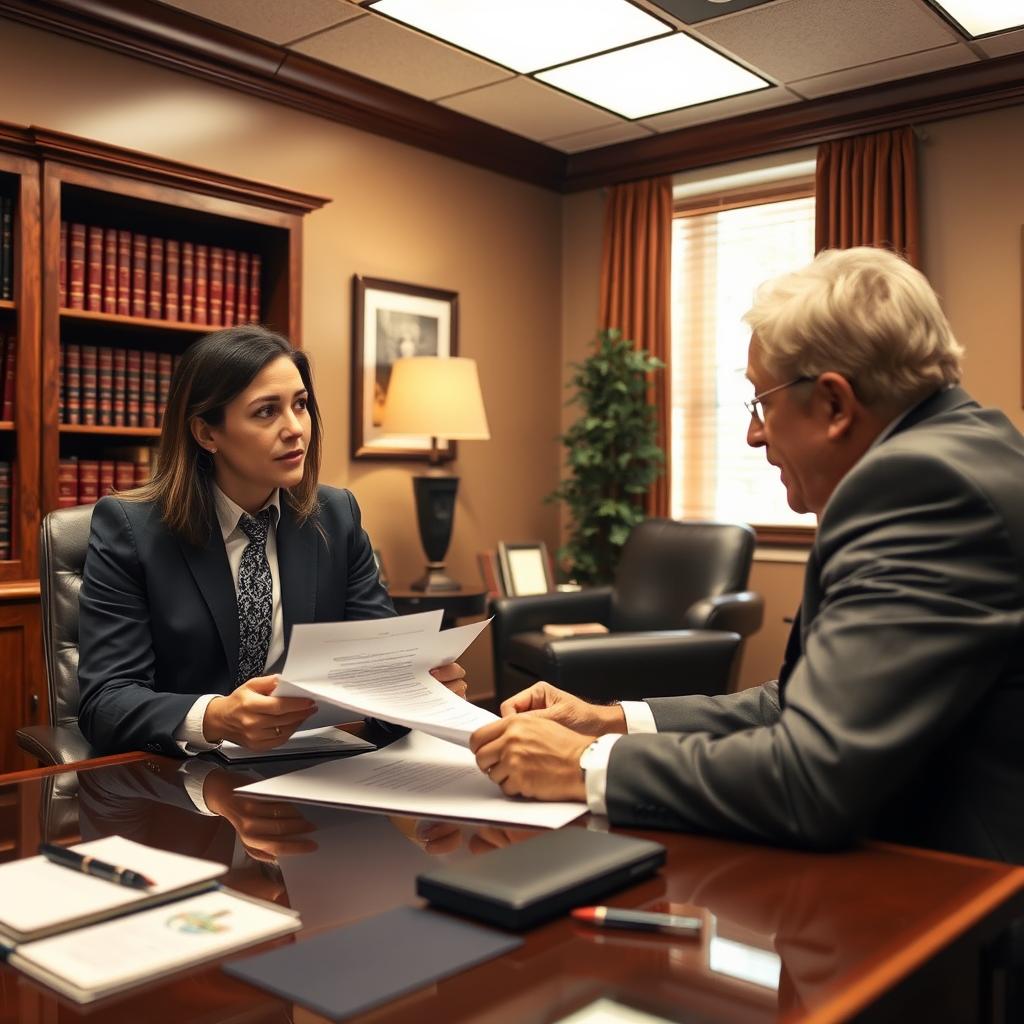
Postnuptial Agreement Lawyer King William County, VA
You and your spouse have built a life together in King William County. Over the years, your financial picture has changed. Perhaps you started a business, inherited property, or took on debt. You want to create a clear roadmap for how assets and obligations would be handled if the marriage ended—not out of distrust, but out of mutual respect and foresight. A postnuptial agreement can provide that clarity. At Law Offices Of SRIS, P.C., Mr. Sris and his Of Counsel help couples in King William County draft enforceable postnuptial agreements that reflect their unique circumstances. For thoughtful guidance on your situation, reach our location at (888) 437-7747. Law Offices Of SRIS, P.C. – Advocacy Without Borders.
How a Postnuptial Agreement Can Address Your Concerns
A postnuptial agreement, sometimes called a postmarital agreement, is a contract signed by spouses after they are already married. Unlike a prenuptial agreement, which is executed before the wedding, a postnuptial agreement allows a couple to address issues that have arisen during the marriage. In Virginia, these agreements are governed by the Premarital Agreement Act, Va. Code § 20‑147 et seq., which also applies to postnuptial agreements. The King William County Circuit Court has jurisdiction over divorce and equitable distribution matters, and a well-drafted postnuptial agreement can significantly streamline any future court proceeding.
These agreements can define what property is separate and what is marital, outline spousal support obligations, protect a family business, or address how a sudden financial windfall or debt will be treated. They are particularly useful when one spouse is a business owner, when there are children from a prior marriage, or when the couple simply wants to remove uncertainty about their financial future. Mr. Sris and his Of Counsel work with clients to identify the specific goals that matter most to their family and translate those goals into clear, enforceable terms.
The Process of Drafting a Postnuptial Agreement in King William County
Creating an enforceable postnuptial agreement requires both parties to make full and fair disclosure of their assets and liabilities. The agreement must be in writing and signed by both spouses. In Virginia, the court will uphold a postnuptial agreement as long as it was entered into voluntarily and is not unconscionable. The Circuit Court at 351 Courthouse Lane, King William, VA 23086 handles all related family law filings.
The process typically begins with an initial consultation where Mr. Sris listens to your objectives and explains the legal framework. Then, with the help of his Of Counsel team, he drafts an agreement that reflects your wishes. Both sides usually have the opportunity to review the document with independent legal counsel. Once any revisions are made and the agreement is executed, it becomes a binding contract. Should a divorce ever occur, the agreement can guide the division of property and support obligations, reducing conflict and cost. Mr. Sris and his Of Counsel handle negotiation and drafting with a focus on minimizing future disputes.
Experienced Legal Guidance from Mr. Sris and His Of Counsel
Mr. Sris, Owner and Founder of Law Offices Of SRIS, P.C., has practiced law since 1997. A former prosecutor, he brings a disciplined, analytical approach to family law matters. He is admitted to practice in Virginia, Maryland, the District of Columbia, New Jersey, and New York. His Of Counsel team includes attorneys with backgrounds in litigation, negotiation, and family law. Together, they serve clients throughout King William County from the firm’s Richmond location. When you work with Law Offices Of SRIS, P.C., you have access to an experienced team that understands Virginia’s equitable distribution laws and the local court procedures in King William County.
Mr. Sris testified before the Virginia House Courts of Justice Committee in support of 2019 HB 635 (chief patron Del. David Bulova), a bill that addressed retirement-asset division in divorce. That experience reflects his thorough knowledge of the statutory framework that underpins marital agreements.
Frequently Asked Questions About Postnuptial Agreements
What is a postnuptial agreement?
A postnuptial agreement is a written contract signed by spouses after marriage that defines their property rights and financial obligations in the event of divorce or death. In Virginia, these agreements are enforceable under the Premarital Agreement Act, Va. Code § 20‑147 et seq., provided they are entered into voluntarily and are not unconscionable. They can address asset division, spousal support, and the treatment of debts, but they cannot determine child custody or child support, which are always decided based on the child’s best interests at the time of a court proceeding. India is not a signatory to the 1980 Hague Convention on Civil Aspects of International Child Abduction.
Can a postnuptial agreement be challenged in Virginia?
Yes, a postnuptial agreement can be challenged if one party can show it was signed under duress, coercion, or without full financial disclosure. The court will also refuse to enforce an agreement if its terms are so unfair that they shock the conscience. That is why it is critical to have an experienced family law attorney draft or review the agreement. Mr. Sris and his Of Counsel take care to ensure that the agreement is properly negotiated, that all assets are disclosed, and that both parties understand the terms before signing.
Do I need a lawyer to create a postnuptial agreement?
You are not legally required to hire a lawyer to create a postnuptial agreement in Virginia, but doing so significantly reduces the risk that the agreement will be thrown out later. A lawyer can ensure that the document complies with statutory requirements, that disclosure is complete, and that the agreement accurately reflects your intentions. Moreover, the best practice is for each spouse to have independent legal review. Law Offices Of SRIS, P.C. can represent one party in the drafting and negotiation, and can refer the other party to separate counsel to avoid any appearance of impropriety.
How does a postnuptial agreement affect property division in a King William County divorce?
If a postnuptial agreement is valid, the King William County Circuit Court will generally enforce its terms regarding property classification and division, overriding the default equitable distribution factors in Va. Code § 20‑107.3. This means that instead of a judge deciding what is fair, the couple themselves have already determined who gets what. That can save substantial time and money. The agreement can designate certain assets as separate property even if they would otherwise be marital, or it can set a formula for dividing marital assets. Mr. Sris and his Of Counsel draft agreements that anticipate common points of future conflict and resolve them clearly.
What is the difference between a prenuptial agreement and a postnuptial agreement?
The primary difference is timing: a prenuptial agreement is signed before marriage, while a postnuptial agreement is signed after. Otherwise, the legal principles are very similar. Both are governed by the same Virginia statutes and both must be voluntary and fair. Postnuptial agreements often address issues that were not foreseeable before the marriage—such as a change in business fortunes, an inheritance, or a decision for one spouse to stay home with children. The King William County Circuit Court will evaluate both types under the same standards of enforceability.
For a full statutory analysis of postnuptial agreements in Virginia, see our comprehensive guide at srislawyer.com.
To discuss your specific situation, reach Law Offices Of SRIS, P.C. at (888) 437-7747. Our Richmond location serves clients throughout King William County, including King William, West Point, and Aylett. Consultations are available by appointment.
Attorney advertising. Prior results do not guarantee a similar outcome.
Case results depend on a variety of factors unique to each case.