
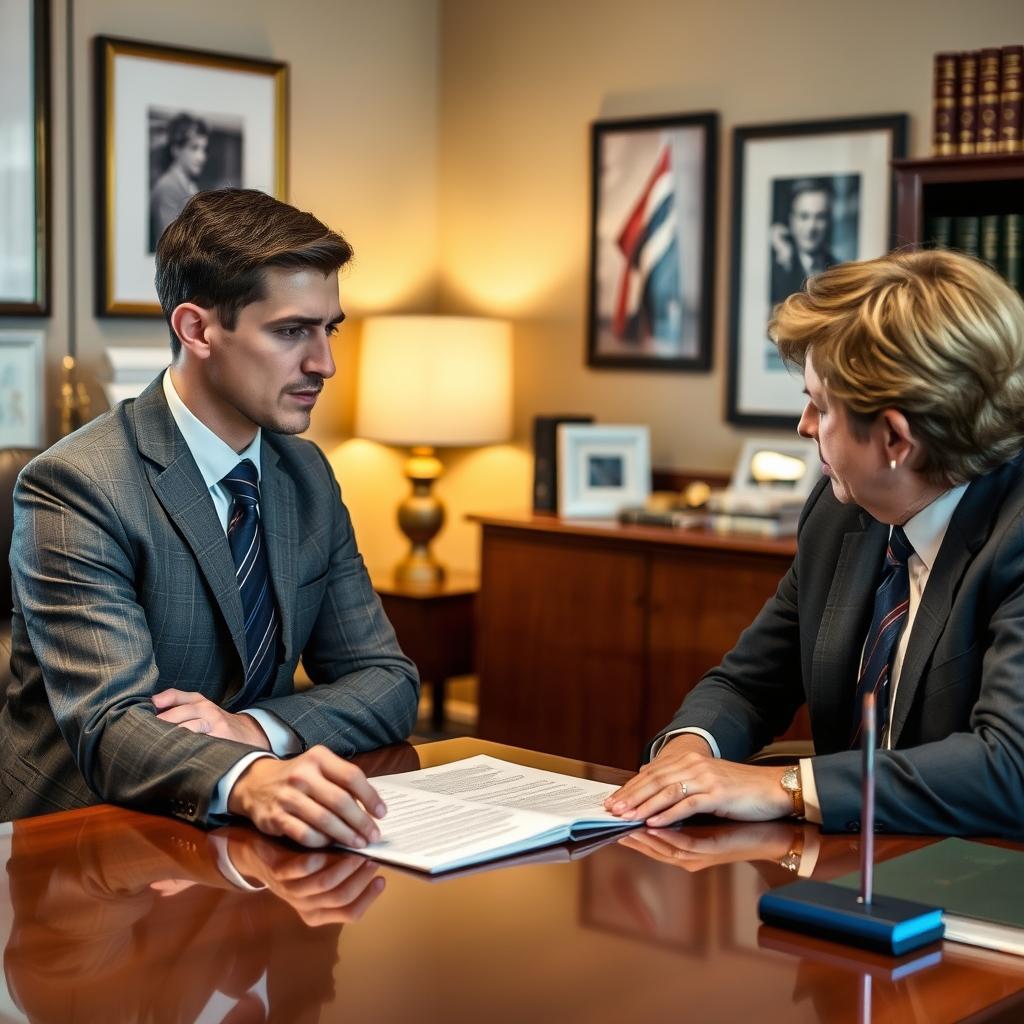
Post Divorce Enforcement Lawyer Colonial Heights, VA
The entry of a final divorce decree does not always mean the end of a family law dispute. When a former spouse fails to comply with the terms of a court order—whether by not paying spousal support, refusing to transfer titled property, or ignoring a custody schedule—the other party may need to return to court to enforce the decree. In Colonial Heights, Virginia, the Circuit Court retains authority to enforce its own orders, and Mr. Sris, the firm’s Owner and Founder, has extensive experience helping individuals resolve post-divorce compliance issues. He and his Of Counsel work with clients throughout the Twelfth Judicial District, including Colonial Heights, to protect rights that were established at the time of the divorce. To discuss an enforcement matter, reach Law Offices Of SRIS, P.C. at (888) 437-7747. Law Offices Of SRIS, P.C. – Advocacy Without Borders.
What Post Divorce Enforcement Means in Colonial Heights, Virginia
A divorce decree is a legally binding court order, but it often covers multiple types of obligations—property division required under Virginia’s equitable distribution statute (Va. Code § 20-107.3), periodic alimony payments, child support, and custody or visitation terms. When one side does not honor those obligations, enforcement proceedings are the mechanism for compelling compliance. In Colonial Heights, because the Circuit Court at 550 Boulevard issued the original divorce and property orders, it is generally the court where enforcement motions are filed. Matters involving standalone custody, visitation, or child support modifications may also be heard in the Colonial Heights Juvenile and Domestic Relations District Court, but the original divorce decree’s property and spousal support terms remain the Circuit Court’s domain.
The enforcement tools available to the court are grounded in Virginia’s contempt power and specific statutory authority. If a party is not paying court-ordered spousal support or is refusing to execute a deed, the court may issue a rule to show cause—a formal order requiring the non-compliant party to appear and explain why they should not be held in contempt. If the court finds willful non-compliance after a hearing, it can impose sanctions, award attorney fees to the aggrieved party, and enter further orders to secure future compliance. Because each enforcement case turns on the exact language of the decree and the facts of the alleged violation, working with counsel experienced in Colonial Heights Circuit Court practice can help a party assess the appropriate remedy and prepare persuasive argument for the court.
How Mr. Sris and His Of Counsel Handle Post Divorce Enforcement Cases
Enforcement begins with a careful review of the final decree and any related orders, such as a property settlement agreement incorporated into the decree or a qualified domestic relations order. Mr. Sris and his Of Counsel team examine the specific obligation at issue, gather documentation of the alleged non-compliance, and evaluate the most efficient route to resolution. In many cases, a demand letter to the opposing party or their counsel can bring about compliance without the need for a contested hearing. When informal efforts fall short, the next step is typically a motion filed in the Colonial Heights Circuit Court requesting a show cause order.
Once a show cause order is issued and served, the court schedules a hearing. At that hearing, Mr. Sris and his Of Counsel present evidence of the violation—such as missed payment records, bank statements, or correspondence—and argue for the specific relief the client seeks, which may include a contempt finding, an income-withholding order for support, a judgment for the arrears, or an award of attorney fees. Because the judge has broad discretion in enforcement matters, having counsel who is familiar with the local bench can help frame the argument in a way that the court finds persuasive. While every case timeline depends on the court’s calendar and the complexity of the issues, the firm works to move enforcement matters forward as efficiently as possible. Results may vary.
About Mr. Sris and His Of Counsel Team
Mr. Sris founded Law Offices Of SRIS, P.C. in 1997 and has practiced family law in Virginia for his entire career. Admitted in Virginia, Maryland, the District of Columbia, New Jersey, and New York, he brings the perspective of a former prosecutor to family law enforcement, where the issues often intersect with contempt proceedings that carry serious consequences. His familiarity with the Colonial Heights Circuit Court and with Virginia’s equitable distribution and support statutes helps clients pursue enforcement in a methodical, well-prepared manner.
Working alongside Mr. Sris are Of Counsel attorneys with extensive experience in family law, litigation, and procedure. Together, Mr. Sris and his Of Counsel bring extensive combined legal experience to post-divorce enforcement matters. They handle cases throughout the Richmond metropolitan area, including Colonial Heights, Chesterfield County, and the surrounding communities. Clients who meet with the firm receive a clear explanation of the enforcement options available, the likely timeline, and the practical considerations involved in moving forward. For a consultation, reach Law Offices Of SRIS, P.C. at (888) 437-7747.
Frequently Asked Questions
What is post-divorce enforcement?
Post-divorce enforcement is the legal process of asking a court to compel a former spouse to comply with the terms of a divorce decree, including property division, alimony, child support, or custody arrangements. After a divorce is finalized, each party is legally obligated to follow the court’s orders. When one party does not comply—for example, by failing to pay support or transfer property—enforcement proceedings allow the aggrieved party to seek court intervention. In Virginia, enforcement may involve filing a motion for a rule to show cause, after which the court can hold a hearing, find a party in contempt, and impose remedies such as money judgments, attorney fee awards, or other orders designed to secure compliance.
How does the court enforce a divorce decree in Colonial Heights?
The Colonial Heights Circuit Court enforces a divorce decree through its contempt power and by issuing orders to compel compliance, such as income-withholding orders or judgments for unpaid amounts. A party seeking enforcement files a motion explaining how the other side has violated the order. The court then issues a show cause summons, and a hearing is scheduled. If the evidence shows willful non-compliance, the judge can hold the violating party in civil contempt, order payment of arrears, and award attorney fees. The Juvenile and Domestic Relations District Court may handle enforcement of custody and support orders that are not part of a divorce case, but the Circuit Court retains jurisdiction over property division and spousal support.
What can I do if my ex-spouse stops paying alimony?
If a former spouse stops paying court-ordered spousal support, you can file a motion for enforcement in the Colonial Heights Circuit Court, which can compel payment through contempt proceedings or wage garnishment. Spousal support orders entered at divorce are enforceable by the issuing court. The court can enter a judgment for the total amount of arrears, order immediate payment, and require the payor to show cause why they should not be held in contempt. In appropriate cases, the court may also order an income-withholding order to be served on the payor’s employer. Because each case depends on the specific language of the decree and the reason for non-payment, an experienced attorney can assess the most effective enforcement approach.
Do I need a lawyer for post-divorce enforcement in Colonial Heights?
While you are not required to have a lawyer, enforcement proceedings involve court rules, evidence, and contempt law that can be difficult to manage without counsel. An experienced attorney can evaluate whether a violation has occurred, identify the strongest form of relief, prepare the necessary court filings, and present evidence at a hearing in a manner the judge can follow. Self-represented parties often face procedural hurdles that delay resolution. Mr. Sris and his Of Counsel have experience handling enforcement motions in the Colonial Heights Circuit Court and can explain the options available in your particular situation. For a consultation, reach Law Offices Of SRIS, P.C. at (888) 437-7747.
How long does post-divorce enforcement take in Virginia?
The timeline for post-divorce enforcement depends on the court’s docket, the nature of the violation, and whether the matter is contested. After a motion is filed, the court will issue a show cause summons and set a hearing date. If the responding party agrees to comply before the hearing, the matter may be resolved quickly. Contested hearings, however, can take longer, especially if the court requires additional evidence or if the case involves complex property issues. The court schedules hearings on its own calendar, and each case proceeds at its own pace. Mr. Sris and his Of Counsel work to present clear, well-organized cases that minimize unnecessary delay, but past results do not guarantee a similar outcome.
For further reading on related topics, see our pages on alimony enforcement in Colonial Heights, child support enforcement, and custody enforcement. You may also visit our Colonial Heights divorce lawyer page for information about the original dissolution process.
Virginia legal resources
Virginia Code Title 20 – Domestic Relations ·
Virginia Courts – vacourts.gov ·
Colonial Heights Circuit Court
Attorney advertising. Prior results do not guarantee a similar outcome.
Case results depend on a variety of factors unique to each case.