
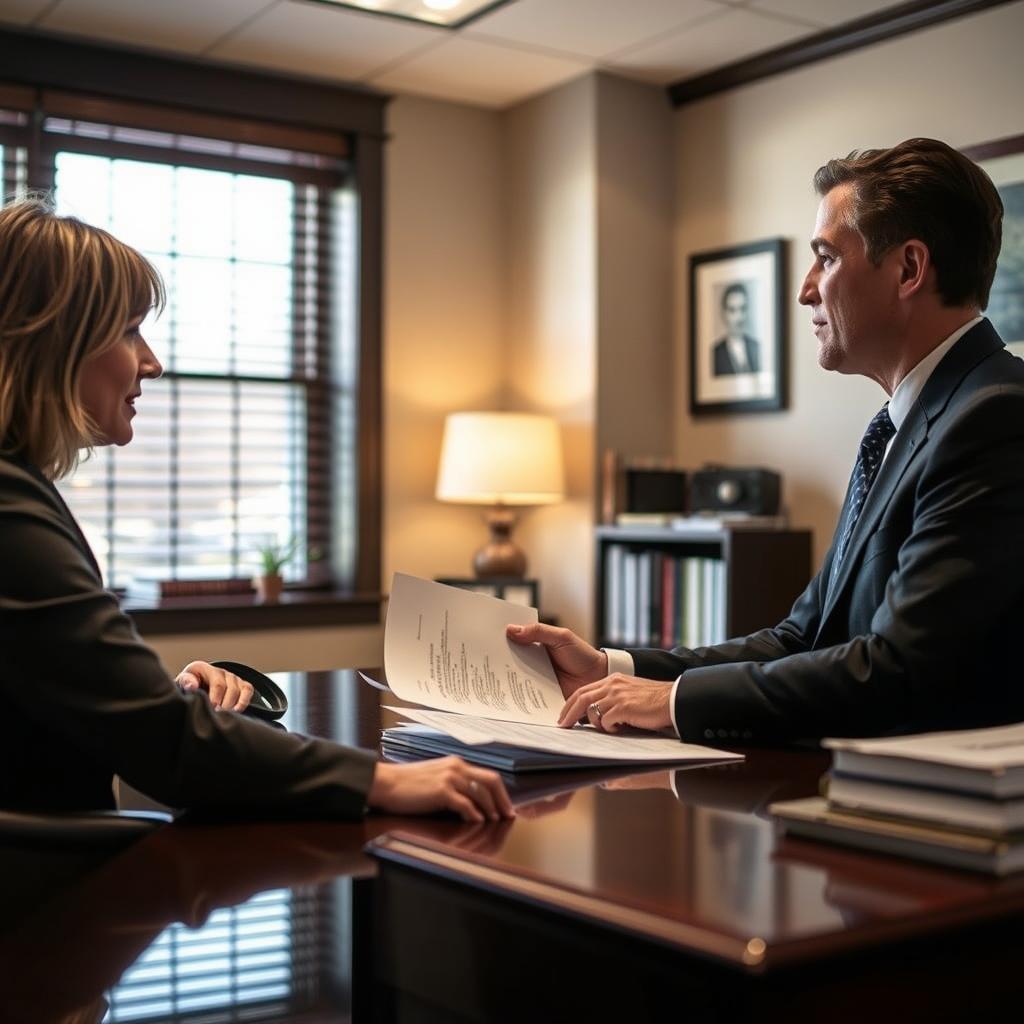
Partner Support Lawyer Isle of Wight County, VA
You and your spouse have separated, and the financial uncertainty is overwhelming. Perhaps you stayed home to raise children while your partner built a career, and now you worry about how to pay the mortgage and keep food on the table. Or maybe your former partner is refusing to contribute despite a court order. In Isle of Wight County, Virginia, spousal support—often called partner support or alimony—can provide essential financial stability during and after a divorce. Law Offices Of SRIS, P.C. helps individuals pursue or modify support orders that reflect the true financial realities of a marriage, and we work to enforce those orders when an ex-spouse fails to pay. If you need guidance, call (888) 437-7747 to request a consultation with Mr. Sris and his Of Counsel. Law Offices Of SRIS, P.C. – Advocacy Without Borders.
How a Partner Support Lawyer in Isle of Wight County Can Help
Isle of Wight County family law matters are handled primarily in two courthouses. Standalone spousal support petitions and protective orders begin in the Isle of Wight County Juvenile and Domestic Relations District Court. When support is part of a larger divorce or equitable distribution case, the Isle of Wight County Circuit Court—located at 17122 Monument Circle, Suite A—has jurisdiction. Local procedural practices, including the requirement of a corroborating witness for an uncontested divorce, make experienced guidance essential. Our Richmond location serves clients throughout Isle of Wight County and the surrounding communities of Smithfield, Windsor, and Carrollton. Mr. Sris and his Of Counsel team understand the local court expectations and work to present clear, well-supported financial evidence that gives the court the full picture of a marriage’s income, expenses, and earning capacity.
Understanding Spousal Support in Virginia
Virginia law authorizes spousal support under Va. Code § 20-107.1, which directs the court to consider thirteen statutory factors when deciding whether to award support, how much to award, and for how long. Among those factors are the earning capacity of each party, the standard of living established during the marriage, the duration of the marriage, the age and physical condition of the spouses, and the contributions each spouse made to the family’s well‑being. Unlike child support, which follows a guideline formula (Va. Code § 20-108.1), spousal support is discretionary. A judge weighs the evidence and applies the factors to reach a fair result. Because the analysis is so fact‑intensive, presenting the right documentation—tax returns, pay stubs, retirement account statements, and detailed expense sheets—makes a significant difference. Mr. Sris and his Of Counsel help clients organize this information so the court can see the complete financial picture.
Types of Spousal Support That May Be Available
Virginia courts can award several forms of support depending on the stage of the proceeding and the needs of the recipient spouse. Pendente lite support provides temporary financial help while a divorce or separate maintenance action is pending. A pendente lite motion can be set for hearing relatively quickly and is designed to keep the household afloat until a final resolution. Permanent spousal support—which may be paid periodically or in a lump sum—is the relief ordered at the conclusion of a divorce. It is not necessarily lifetime support; the court can specify a defined duration or make the award modifiable based on future changes in circumstances. In some cases, the court orders rehabilitative support for a specified period to allow a spouse to obtain education or job training and re‑enter the workforce. If the parties reach a written separation agreement, they often address spousal support voluntarily, and the agreement can be incorporated into the final divorce decree.
The Legal Process for Seeking Partner Support in Isle of Wight County
The process typically begins with the filing of a complaint (or motion for pendente lite relief) in the appropriate court. If you are pursuing a divorce, the spousal support claim is part of that larger case in Circuit Court. When the parties cannot agree, the court will schedule a hearing. At the hearing, each side presents evidence—financial records, testimony about the marriage’s standard of living, and, in some cases, expert testimony about earning capacity or business income. After considering the thirteen factors, the judge issues a support order. Once an order is entered, it becomes a binding obligation. If the paying spouse falls behind, the recipient can return to court and request enforcement through contempt proceedings, wage garnishments, or other collection mechanisms that the court deems appropriate.
Modifying or Enforcing a Spousal Support Order
A support order is not necessarily permanent. Virginia law permits modification when there has been a material change in circumstances—for example, a significant change in either spouse’s income, the loss of a job, or a serious health issue. To seek modification, a party files a motion with the court that entered the original order and presents proof of the changed circumstances. Similarly, enforcement becomes necessary when the payer stops making payments. A show‑cause motion for contempt can bring the matter back to court. If the court finds that the payer had the ability to pay and willfully refused, the judge may order payment of the arrearage, attorney fees, and, in extreme cases, jail time. Mr. Sris and his Of Counsel represent clients at every stage—from initial petition, through modification, to contempt enforcement.
Why Choose Law Offices Of SRIS, P.C. for Your Partner Support Matter
Law Offices Of SRIS, P.C. was founded in 1997 by Mr. Sris, a former prosecutor who now concentrates his practice on family law and civil litigation. Because he began his career on the other side of the courtroom, Mr. Sris knows how to build a persuasive case from the ground up—organizing evidence, preparing clear financial exhibits, and cross‑examining the opposing party effectively. Mr. Sris testified before the Virginia House Courts of Justice Committee in support of 2019 HB 635 (chief patron Del. David Bulova). His familiarity with the legislative process and the statutory framework that governs spousal support allows him to explain complicated financial issues in terms the court can understand. Mr. Sris and his Of Counsel bring extensive combined legal experience. Results may vary.
All non‑Sris attorneys serve as Of Counsel, working collaboratively with Mr. Sris on support matters. The firm’s Richmond location at 7400 Beaufont Springs Drive, Suite 300, Room 395, Richmond, VA 23225, serves Isle of Wight County clients. Phones are answered at (888) 437-7747, and consultations are available by appointment.
Frequently Asked Questions About Spousal Support in Isle of Wight County
What is spousal support (partner support) in Virginia?
Spousal support is a court‑ordered payment from one spouse to the other to help maintain a standard of living after separation or divorce. In Virginia, it is governed by Va. Code § 20‑107.1 and is based on the financial needs of the receiving spouse and the ability of the paying spouse to provide support. The court examines thirteen factors, including the duration of the marriage, the age and health of the parties, and the standard of living during the marriage. Spousal support may be temporary, rehabilitative, or permanent, depending on the circumstances.
How does the court decide how much spousal support to award?
The judge weighs thirteen statutory factors listed in Va. Code § 20‑107.1 to determine a fair amount and duration. Key factors include each party’s earning capacity, the contributions each made to the family (including non‑monetary contributions such as homemaking), the length of the marriage, and the tax consequences of any award. There is no fixed formula, so the outcome depends heavily on the evidence presented. Detailed financial disclosures—tax returns, pay stubs, bank statements, and retirement account balances—are essential.
Can I get spousal support while the divorce is still pending?
Yes, you can request pendente lite spousal support to cover living expenses during the divorce process. A pendente lite motion asks the court to order temporary support until a final decree is entered. These motions are usually heard quickly and are designed to preserve the status quo. To obtain pendente lite support, you must show a financial need and the other spouse’s ability to pay.
How is spousal support different from child support?
Child support is calculated under a mandatory guideline formula (Va. Code § 20‑108.1), while spousal support is discretionary and based on thirteen statutory factors. Child support is meant to cover a child’s needs—housing, food, clothing, medical care, and educational expenses—while spousal support addresses the financial well‑being of the recipient spouse. Often both types of support are addressed in the same case, but they are treated as separate legal issues.
Can spousal support be modified after the divorce is final?
Yes, if there has been a material change in circumstances that was not anticipated when the original order was entered. Common changes include a significant increase or decrease in either party’s income, involuntary job loss, a serious illness or disability, or cohabitation of the recipient spouse with a new partner. Either party may file a motion to modify support in the court that issued the original order.
What happens if my ex‑spouse stops paying court‑ordered spousal support?
The receiving spouse can file an enforcement motion asking the court to hold the non‑paying former spouse in contempt. If the court finds a willful failure to pay, it can order the arrearage to be paid, require the payer to cover the recipient’s attorney fees, garnish wages, place a lien on property, or, in extreme cases, impose jail time. It is important to act promptly because unpaid support can accumulate quickly.
How long does a spousal support case take in Isle of Wight County?
The timeline varies by case complexity and the court’s calendar. Uncontested cases, where the parties have signed a separation agreement, may resolve sooner. Contested spousal support cases—especially those involving complex financial evidence, such as business valuations or forensic accounting—require more preparation and may take longer. Pendente lite support can often be obtained on a shorter timeline because the court schedules these hearings quickly.
Do I need a lawyer for spousal support in Virginia?
You are not legally required to hire a lawyer, but spousal support disputes frequently involve complex financial evidence and statutory factors that a court must weigh. Presenting a clear, well‑organized financial picture is crucial, especially when the other side has legal representation. An experienced attorney can help gather the necessary documents, advocate for a fair outcome, and, if the order is violated, pursue enforcement.
Does fault (like adultery) affect spousal support in Virginia?
Yes, the circumstances surrounding the breakdown of the marriage are one of the thirteen factors the court considers under Va. Code § 20‑107.1. Fault grounds such as adultery or cruelty may influence the court’s decision, although they are just one factor among many. The court’s primary focus remains the financial need of the recipient and the payer’s ability to pay.
What should I bring to a consultation about spousal support?
Bring recent pay stubs, tax returns, bank statements, a list of monthly living expenses, and any existing separation agreement or court order. Information about both spouses’ employment, retirement accounts, and property helps an attorney evaluate the case. If you are facing enforcement or modification, bring the original support order and records of payments made or missed.
Can spousal support be awarded if we were never legally married?
Generally, spousal support is only available in the context of a marriage that is being dissolved by divorce. Virginia does not recognize common‑law marriage entered into within the Commonwealth, though it may recognize a valid common‑law marriage legally created in another state. If you are unsure about your legal marital status, consult an attorney who can review your specific history.
How does a property settlement agreement affect spousal support?
If the parties sign a comprehensive separation agreement that addresses spousal support, the court will typically incorporate that agreement into the final divorce decree. A properly drafted agreement can define the amount and duration of support and specify whether the support is modifiable. Once incorporated, it becomes an enforceable court order. Working with an attorney during the drafting process helps ensure the agreement is clear and reflects your long‑term needs.
For guidance on your specific situation, reach Law Offices Of SRIS, P.C. at (888) 437-7747.
Additional Resources
Explore related family law pages: Fairfax County Family Law, Prince William County Family Law, Virginia Spousal Support Lawyer, Virginia Divorce Lawyer, Virginia Child Support Lawyer.
Attorney advertising. Prior results do not guarantee a similar outcome. Case results depend on a variety of factors unique to each case. Results may vary.