
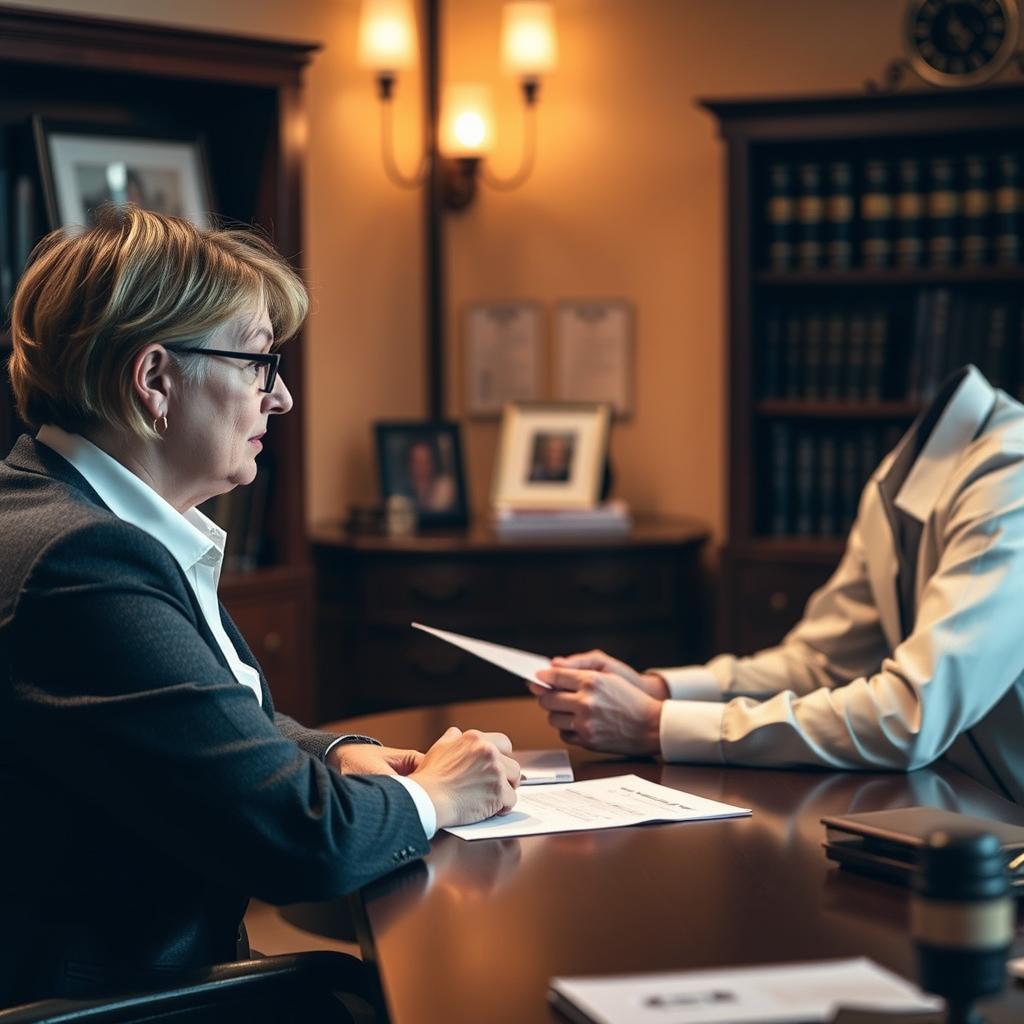
Minor Guardianship Lawyer Chesterfield County, VA
When a child’s parents are unable to care for them, Virginia law allows a court to appoint a guardian to make decisions about the child’s upbringing, education, and medical care. A minor guardianship case in Chesterfield County proceeds through the Chesterfield County Juvenile and Domestic Relations District Court or, in some circumstances, the Chesterfield County Circuit Court—both located at 9500 Courthouse Road, Chesterfield, VA 23832. The proceeding is governed by Va. Code § 64.2‑2000 et seq., which sets out the factors the court weighs when determining whether a guardianship serves the child’s best interests. Because the outcome directly affects parental rights, family relationships, and the child’s future, having an experienced attorney present the petition is important. Mr. Sris and his Of Counsel team at Law Offices Of SRIS, P.C. have represented clients in guardianship matters in Chesterfield County and throughout Central Virginia. Reach our firm at (888) 437‑7747 to schedule a consultation. Law Offices Of SRIS, P.C. – Advocacy Without Borders.
What Minor Guardianship Means in Chesterfield County, Virginia
Minor guardianship in Virginia is a legal arrangement that places the care and decision‑making authority for a child with a person other than the child’s biological parents. The proceeding is civil in nature, not punitive, but it can be contested by parents or other interested parties. In Chesterfield County, petitions are filed with the Juvenile and Domestic Relations District Court when the issue is primarily custody‑related; if the guardianship is sought in connection with a larger family law matter such as divorce or equitable distribution, the Circuit Court may exercise jurisdiction. Both courts sit within the Twelfth Judicial District and apply the same substantive law, but their procedural rules differ slightly.
The statutory foundation is Title 64.2 of the Virginia Code, which provides the framework for appointment, duties, and termination of a guardian. The court’s paramount consideration is the best interests of the child—a fact‑intensive inquiry that examines the child’s relationship with the proposed guardian, the parents’ ability to provide care, any history of abuse or neglect, and the child’s own wishes if of sufficient age and maturity. A guardian ad litem is often appointed to investigate and report to the court. While a parent may consent to a guardianship, the court must still find that the arrangement is appropriate. Chesterfield County’s suburban character, with its mix of close‑knit neighborhoods and commuter demographics, means many guardianship petitions involve extended family members—grandparents, aunts, or uncles—stepping forward to care for a child. Mr. Sris and his Of Counsel team understand the unique community dynamics at play and work to present a clear, well‑supported case to the bench.
How Mr. Sris and His Of Counsel Handle Minor Guardianship Cases
Every minor guardianship matter begins with a thorough discussion of the family’s situation. Mr. Sris and his Of Counsel team review the child’s living arrangements, the parents’ circumstances, and the reasons a guardianship is sought. They then assemble the necessary documentation—including affidavits, medical records, school reports, and any evidence of parental incapacity—and prepare a petition that complies with the procedural requirements of the Chesterfield County Juvenile and Domestic Relations District Court or Circuit Court.
Once the petition is filed, the court schedules a hearing and typically appoints a guardian ad litem. Mr. Sris and his Of Counsel team coordinate with the guardian ad litem’s investigation, ensuring that all relevant facts are disclosed. At the hearing, they present testimony, cross‑examine witnesses, and argue why the guardianship is in the child’s best interests. If parents oppose the petition, the case becomes contested litigation that may involve multiple court appearances. Even after a guardianship is established, circumstances can change; the firm assists clients with motions to modify or terminate the guardianship when appropriate. Throughout the process, the goal is to protect the child’s welfare while respecting the legal rights of all parties. No specific timeline can be promised, as the pace depends on the court’s calendar and the complexity of the matter.
About Mr. Sris and His Of Counsel Team
Mr. Sris, Owner and Founder of Law Offices Of SRIS, P.C., is a former prosecutor who has practiced law since 1997. His background includes extensive experience in family law, including minor guardianship cases handled in Virginia’s Juvenile and Domestic Relations District Courts and Circuit Courts. Mr. Sris is admitted in Virginia, Maryland, the District of Columbia, New Jersey, and New York. He testified before the Virginia House Courts of Justice Committee in support of 2019 HB 635 (chief patron Del. David Bulova). Mr. Sris and his Of Counsel team bring extensive combined legal experience. Results may vary.
The Of Counsel attorneys who assist Mr. Sris on guardianship matters are experienced litigators who have handled family law cases across Virginia. Together, the team works to provide clear guidance and steady representation in the courtroom. Reach Law Offices Of SRIS, P.C. at (888) 437‑7747 to discuss your situation.
Frequently Asked Questions
Who can petition for guardianship of a minor in Virginia?
Any interested person—including a relative, family friend, or even a social services agency—may file a petition for guardianship of a minor under Va. Code § 64.2‑2000 et seq. The petition must allege that the parents are unable or unwilling to provide proper care and that appointing a guardian is in the child’s best interests. Biological parents may consent to the guardianship, which often simplifies the proceeding, but the court still holds a hearing to confirm the arrangement is appropriate. A guardian ad litem is frequently appointed to independently investigate and report to the court before a decision is made.
What is the process to obtain guardianship in Chesterfield County?
The process begins with filing a petition in the Chesterfield County Juvenile and Domestic Relations District Court (or Circuit Court if tied to another family law matter) and providing notice to the child’s biological parents. The court then schedules a hearing and typically appoints a guardian ad litem to meet with the child, parents, and proposed guardian and file a report. At the hearing, the judge hears testimony and may interview the child privately if the child is of suitable age. If the court finds that the guardianship serves the child’s best interests, it issues an order of appointment defining the guardian’s powers and duties. The order can be modified later if circumstances change.
What factors does the court consider in a minor guardianship case?
The central consideration is the child’s best interests, guided by factors that include the child’s relationship with the proposed guardian, any history of abuse or neglect, the parents’ ability to provide a stable home, and the child’s own wishes if sufficiently mature. The court also examines the guardian’s fitness and willingness to serve, the child’s physical and emotional needs, and any recommendation from a guardian ad litem. Virginia law gives the judge broad discretion to weigh all relevant circumstances, with the overriding goal of protecting the child’s welfare while preserving the integrity of the family unit when possible.
Can a guardianship be contested or later modified?
Yes, a parents or other interested party may oppose the petition and present evidence why the guardianship should not be granted, turning the matter into a contested hearing. After a guardianship is in place, any party can file a motion to modify or terminate it if there is a material change in circumstances—for example, if a parent becomes capable of resuming care or the guardian can no longer serve. Modification proceedings follow the same general court procedures as the original petition. An experienced attorney can help evaluate whether a modification is warranted and present the claim effectively.
Do I need a lawyer for a minor guardianship case?
While you are not legally required to hire an attorney, navigating a minor guardianship case without legal guidance can be challenging due to procedural requirements, the involvement of a guardian ad litem, and the potential for parental opposition. A lawyer can prepare the petition, gather evidence, present your case at the hearing, and respond to any legal challenges that arise. The consequences of an unsuccessful or improperly handled petition can be significant for the child’s stability, so many families choose to work with an experienced attorney. Mr. Sris and his Of Counsel team offer representation in Chesterfield County and are available to discuss the specifics of your case.
How does a minor guardianship differ from custody?
A minor guardianship is broader than a custody order because it can give the guardian authority over the child’s personal care, education, and medical decisions, and it may endure until the child turns 18 without ongoing court involvement in the parents’ lives. In contrast, custody orders typically define only physical and legal custody between parents and are subject to ongoing modification based on the parents’ circumstances. A guardianship can be a more permanent arrangement when a parent is absent, incapacitated, or unfit. Both proceedings, however, are governed by the overarching standard of the child’s best interests, and the same Chesterfield County courts may hear either type of case.
Related pages:
Richmond minor guardianship lawyer | Norfolk guardianship attorney | Portsmouth minor guardianship lawyer | Virginia Beach guardianship legal services
Official resources:
Virginia Code Title 64.2, Chapter 20 – Guardianship
Chesterfield County Circuit Court
Virginia’s Judicial System
Attorney advertising. Prior results do not guarantee a similar outcome. Results may vary.
Case results depend on a variety of factors unique to each case.