
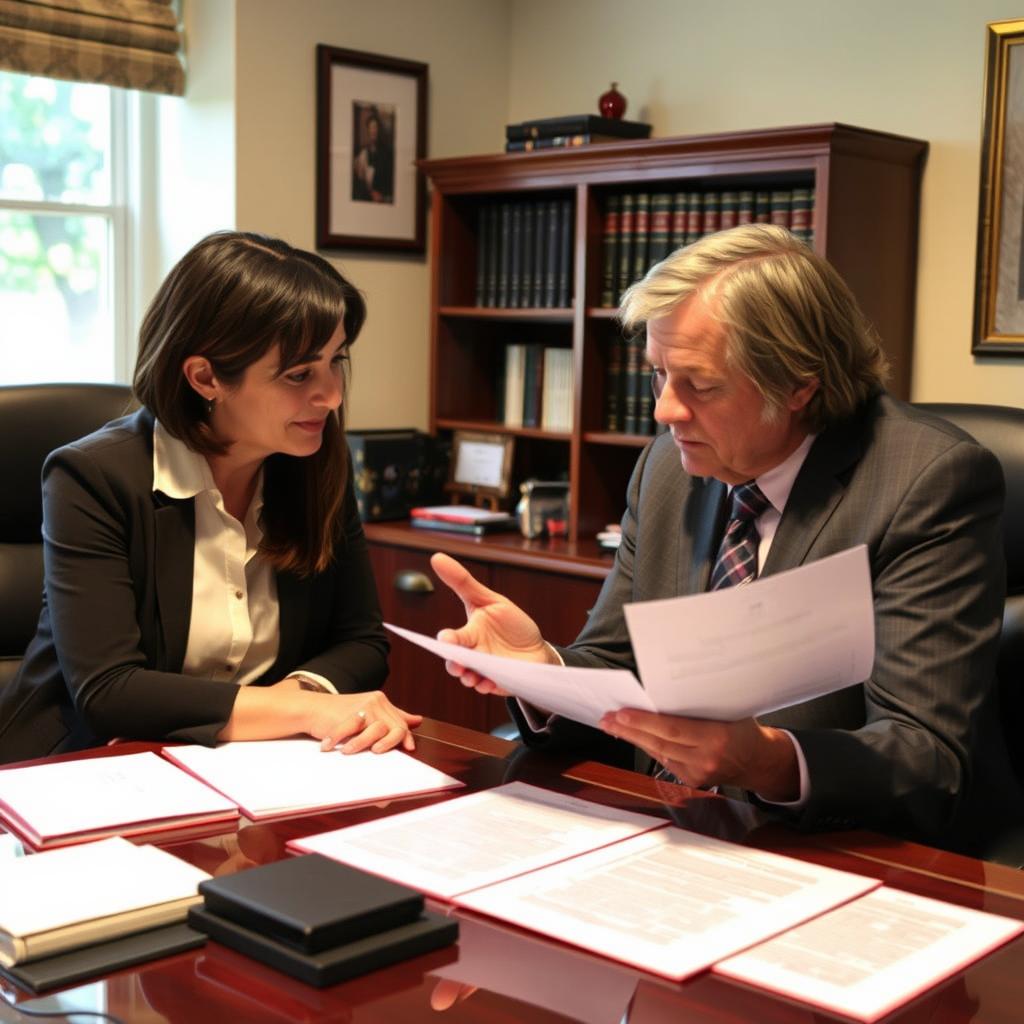
Kinship Guardianship Lawyer Rappahannock County, VA
When a child’s parents cannot provide adequate care, a relative — a grandparent, aunt, uncle, or other family member — may step forward and seek legal authority to make decisions and provide a stable home. The legal mechanism for this in Virginia is called kinship guardianship, and it is governed by Va. Code § 64.2‑2000 et seq. Unlike adoption, kinship guardianship does not permanently terminate the parents’ rights, making it a practical option when the family anticipates that the parents may later resume care. In Rappahannock County, kinship guardianship petitions are most commonly filed in the Rappahannock County Juvenile & Domestic Relations District Court, though if the matter is connected to a divorce or equitable‑distribution dispute, it may also be heard in the Rappahannock County Circuit Court. At Law Offices Of SRIS, P.C., Mr. Sris and his Of Counsel concentrate on family law matters across Virginia, including helping Rappahannock County families protect children through kinship guardianship. They work with clients to prepare detailed petitions, gather the necessary supporting evidence, and present a compelling case to the court. For a consultation about your situation, reach Law Offices Of SRIS, P.C. at (888) 437‑7747. Law Offices Of SRIS, P.C. – Advocacy Without Borders.
Understanding Kinship Guardianship in Rappahannock County
Rappahannock County is a rural community in the Twentieth Judicial District of Virginia, sharing judges with Fauquier and Loudoun Counties. The local courts are located at 250 Gay Street, Suite 1, Washington, VA 22747. While the Circuit Court handles divorce and property‑division matters, the Juvenile & Domestic Relations (J&DR) District Court is the primary venue for standalone custody, visitation, child‑support, and guardianship cases. A kinship guardianship action that is not part of an existing divorce typically begins with a petition filed in the J&DR Court. The petitioner must demonstrate that granting guardianship to a relative serves the child’s best interests under the factors set out in Virginia law. The court will consider the parents’ current ability to care for the child, the nature of the child’s relationship with the proposed guardian, and any safety concerns.
Because Rappahannock County’s court calendar reflects the realities of a small, rural district, scheduling and procedural steps can vary. The judges expect clear, well‑documented petitions, and they often rely on reports from social services or guardian ad litem investigations when the parents oppose the guardianship. Working with an attorney familiar with the local court helps ensure that filings meet the court’s expectations and that all required notices are properly served. Law Offices Of SRIS, P.C. has documented case results in Rappahannock County across multiple practice areas, with 40 documented results and a 98% favorable outcome rate. Results may vary.
How Mr. Sris and His Of Counsel Handle Kinship Guardianship Cases
Mr. Sris and his Of Counsel approach every kinship guardianship matter by first understanding the family’s circumstances. They review the relationship between the child and the proposed guardian, the parents’ situation, and any existing court orders or social‑services involvement. The goal is to build a clear factual record that demonstrates why placing the child with a relative is in the child’s best interests.
Preparation often involves gathering medical, school, and housing records, coordinating with any guardian ad litem assigned by the court, and, when necessary, presenting testimony from witnesses who can speak to the child’s relationship with the relative. If the parents contest the petition, Mr. Sris and his Of Counsel are prepared to address the objections in a hearing. Throughout the process, they keep clients informed of court dates and procedural requirements. While the timeline varies by case, Mr. Sris and his Of Counsel work to move the matter forward efficiently while protecting the child’s well‑being. For guidance on your specific situation, contact Law Offices Of SRIS, P.C. at (888) 437‑7747.
About Mr. Sris and His Of Counsel
Mr. Sris, Owner and Founder of Law Offices Of SRIS, P.C., has practiced family law since the firm was founded in 1997. A former prosecutor, he brings substantial courtroom experience to guardianship and custody matters. Mr. Sris is admitted in Virginia, Maryland, the District of Columbia, New Jersey, and New York. He testified before the Virginia House Courts of Justice Committee in support of 2019 HB 635 (chief patron Del. David Bulova).
Mr. Sris is joined by a team of Of Counsel attorneys who collectively bring extensive combined legal experience. They work collaboratively on family law cases, including kinship guardianship, across Northern Virginia. With a Fairfax location that serves Rappahannock County, the firm is well positioned to handle local court procedures. Mr. Sris and his Of Counsel bring extensive combined legal experience to every matter. Results may vary.
Frequently Asked Questions
What is kinship guardianship in Virginia?
Kinship guardianship allows a relative — a grandparent, aunt, uncle, or other family member — to obtain legal custody of a child when the child’s parents are unable to provide adequate care. The proceeding is governed by Va. Code § 64.2‑2000 et seq. And focuses on the child’s best interests. Unlike adoption, kinship guardianship does not permanently terminate the parents’ rights, though it suspends certain parental decision‑making authority. The guardian gains the legal ability to make medical, educational, and residential decisions for the child.
How does kinship guardianship differ from adoption?
In a kinship guardianship, the biological parents’ rights are not permanently severed, and the court may order visitation or set conditions under which the guardianship can end if circumstances change. Adoption permanently terminates the parents’ rights and creates a new legal parent‑child relationship. Kinship guardianship is often preferred when the family expects that the parents may eventually resume care, and it can be a less invasive way to provide a stable home for the child.
Who can file for kinship guardianship in Rappahannock County?
A relative with a significant existing relationship with the child — typically a grandparent, aunt, uncle, or adult sibling — may petition the Rappahannock County Juvenile & Domestic Relations District Court. The petitioner must show that the parents are unable to meet the child’s needs and that granting guardianship to the relative serves the child’s best interests. An experienced attorney can evaluate eligibility before a petition is filed and explain the required documentation.
What does the court consider when deciding kinship guardianship?
The court focuses on the child’s safety, the nature of the relationship between the child and the relative, the parents’ current ability to provide care, and any history of abuse or neglect. The guiding standard is the trusted‑interests‑of‑the‑child analysis under Virginia law. The court may also consider the wishes of an older child if the child is of sufficient maturity, and it may appoint a guardian ad litem to investigate and make recommendations.
Do I need a lawyer for a kinship guardianship case in Rappahannock County?
You are not legally required to hire a lawyer, but navigating the court process without one carries risk. A lawyer can help you prepare the petition, gather the necessary documentation, present your case effectively at the hearing, and address any objections from the parents or other parties. Law Offices Of SRIS, P.C. represents relatives seeking kinship guardianship in Rappahannock County and can advise on an appropriate approach for your situation.
How long does the kinship guardianship process take in Rappahannock County?
The timeline varies by case. An uncontested petition may be resolved in a few months if all parties agree, while a contested matter can take significantly longer due to court scheduling, investigation, and possible home studies. The judges of the Twentieth Judicial District set hearing dates based on the court’s calendar. Contact us to discuss the likely pace of your matter.
Other Virginia family law pages you may find helpful:
Family law representation in Fairfax County |
Family law matters in the City of Fairfax |
Child custody and support in Prince William County |
Kinship and guardianship help in Manassas
Virginia official resources:
Virginia Code Title 64.2 – Guardianship |
Rappahannock County Courts |
Virginia’s Judicial System
Attorney advertising. Prior results do not guarantee a similar outcome.
Results may vary.
Case results depend on a variety of factors unique to each case.