
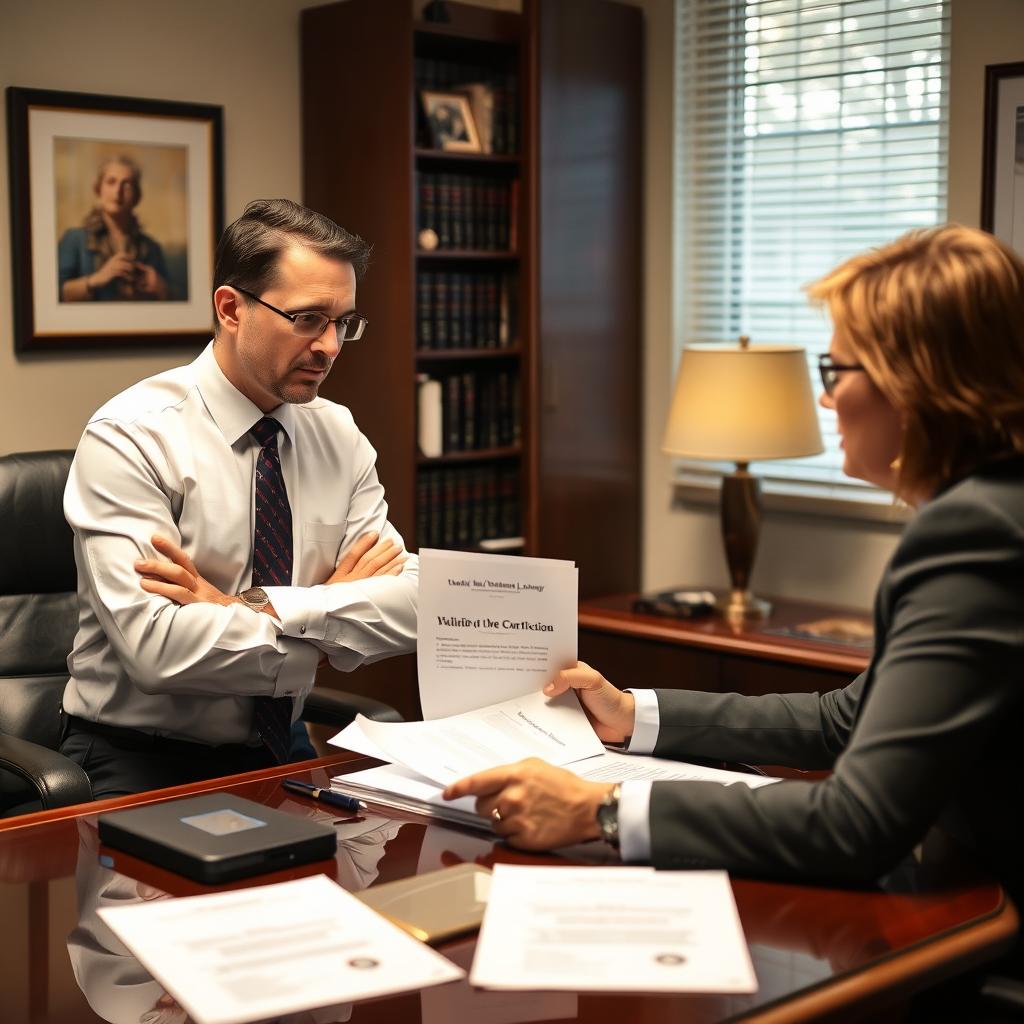
Felony Conviction Divorce Lawyer Virginia, VA
If your spouse has been convicted of a felony and sentenced to more than one year imprisonment, Virginia law permits you to file for divorce on that ground — without any waiting period after the sentence. Law Offices Of SRIS, P.C. assists spouses throughout Virginia who wish to end a marriage because of their partner’s felony conviction. We help you navigate the circuit court process, address equitable distribution of property, child custody, and support matters, and move forward after a difficult chapter. With over 120 years of combined legal experience between Mr. Sris and his Of Counsel, we bring a steady, practical approach to every case. Results may vary. For a consultation about a felony-conviction divorce in Virginia, call (888) 437-7747. Law Offices Of SRIS, P.C. — Advocacy Without Borders.
What Felony Conviction Divorce Means in Virginia
Virginia is a fault-based and no-fault divorce state. Under Va. Code § 20-91, one of the fault grounds for an absolute divorce is that one spouse “has been sentenced to confinement for more than one year for a felony.” When this ground is met, the filing spouse does not need to satisfy a separation period — the fact of the conviction and sentence itself provides grounds to end the marriage immediately. The divorce complaint must be filed in the circuit court of the county or city where either spouse resides. While the ground itself is straightforward, the practical and legal complexity often requires experienced guidance because issues of property division, spousal support, child custody, and visitation are still decided under Virginia’s equitable-distribution framework and the trusted-interest-of-the-child standard.
A felony-conviction divorce can involve unique challenges: the incarcerated spouse may be unable to attend hearings, may lack access to financial records, or may contest the divorce from prison. Mr. Sris and his Of Counsel have handled matters where one spouse is serving a lengthy sentence, and we help clients marshal the evidence of the conviction and sentence, obtain court orders for temporary relief, and pursue a fair outcome. We appear in circuit courts across Virginia — from Fairfax County to Richmond and southward — working to protect our client’s rights throughout the proceeding.
How Mr. Sris and His Of Counsel Handle Felony Conviction Divorce Cases
Every case begins with a thorough consultation in which we review the applicable ground, gather evidence of the spouse’s felony conviction (typically a certified copy of the sentencing order), and map out the related issues: real and personal property, retirement assets, child custody and parenting time, and spousal support. We then prepare and file the divorce complaint with the circuit court. If the incarcerated spouse cannot be located or served normally, we assist with proper service procedures, including service through the warden or by publication when necessary. We also evaluate whether temporary pendente lite relief — such as temporary custody, support, and exclusive use of the marital home — is appropriate while the case moves forward.
Throughout the case, we work to reach a negotiated resolution whenever possible, but we are prepared to take a matter to trial if the issues cannot be settled. Our legal team approaches felony-conviction divorces with a clear understanding of the interplay between Virginia’s divorce statutes, equitable distribution factors, and the practical realities of a spouse’s incarceration. We prioritize keeping clients informed and making the process as manageable as the circumstances allow. Mr. Sris’s background as a former prosecutor also adds a distinctive perspective when evaluating how a spouse’s criminal history may affect character-related findings in custody or support determinations.
About Mr. Sris and His Of Counsel Team
Mr. Sris, Owner and Founder of Law Offices Of SRIS, P.C., has practiced law since 1997. He is a former prosecutor and is admitted in Virginia, Maryland, the District of Columbia, New Jersey, and New York. Mr. Sris testified before the Virginia House Courts of Justice Committee in support of 2019 HB 635 (chief patron Del. David Bulova). His Of Counsel lawyers bring additional depth in criminal and family law, including backgrounds that enhance our understanding of conviction-based divorce cases. Together, Mr. Sris and his Of Counsel bring over 120 years of combined legal experience. Results may vary. They have documented 4,739+ case results across all practice areas since 1997.
Frequently Asked Questions
What is a felony conviction divorce in Virginia?
Virginia law allows a spouse to file for an absolute divorce when the other spouse is sentenced to confinement for more than one year for a felony. This is a fault ground under Va. Code § 20-91, meaning no separation period is required. The divorce can proceed once the conviction and sentence are established, and the circuit court will also resolve property division, custody, and support.
Do I have to wait before filing a felony conviction divorce?
No waiting period applies once the spouse’s felony sentence has been imposed. Unlike a no‑fault divorce, which can require six months to a year of separation, the felony‑conviction ground allows the case to be initiated as soon as a certified copy of the sentencing order is available. The timeline for finalizing the divorce then depends on court scheduling and whether the other spouse contests the case.
How does a spouse’s felony conviction affect property division?
The conviction itself does not automatically change how marital property is divided, but the court may consider the circumstances that led to the dissolution when weighing the equitable‑distribution factors. Under the judge evaluates multiple considerations, including the contributions and actions of each spouse, the duration of the marriage, and other relevant factors. In some cases, a spouse’s criminal conduct that harmed the family financially can influence the division.
Will I get sole custody if my spouse is in prison?
An incarcerated parent’s ability to exercise physical custody is severely limited, but the court still decides custody based on the best interest of the child, not automatically giving sole custody to the filing spouse. Virginia law considers ten statutory factors, including each parent’s relationship with the child and any history of abuse. The other parent’s incarceration is a significant practical consideration, and temporary or permanent custody arrangements typically favor the available parent, though visitation or phone contact may be ordered.
What if my spouse is convicted but not yet sentenced?
You cannot file for divorce based on the felony‑conviction ground until the sentencing order is issued. However, if other grounds exist — such as cruelty, desertion, or a six‑month separation with a signed agreement — you may be able to proceed under a different statutory ground. A consultation with an attorney can clarify which options are available in your situation.
Fairfax County family law lawyer · Fairfax City family law lawyer · Falls Church family law lawyer · Prince William County family law lawyer · Manassas City family law lawyer
Primary legal references: Virginia Code Title 20 (Domestic Relations) · Virginia Circuit Courts · Va. Code § 20-91
Attorney advertising. Prior results do not guarantee a similar outcome. Results may vary.
Case results depend on a variety of factors unique to each case.