
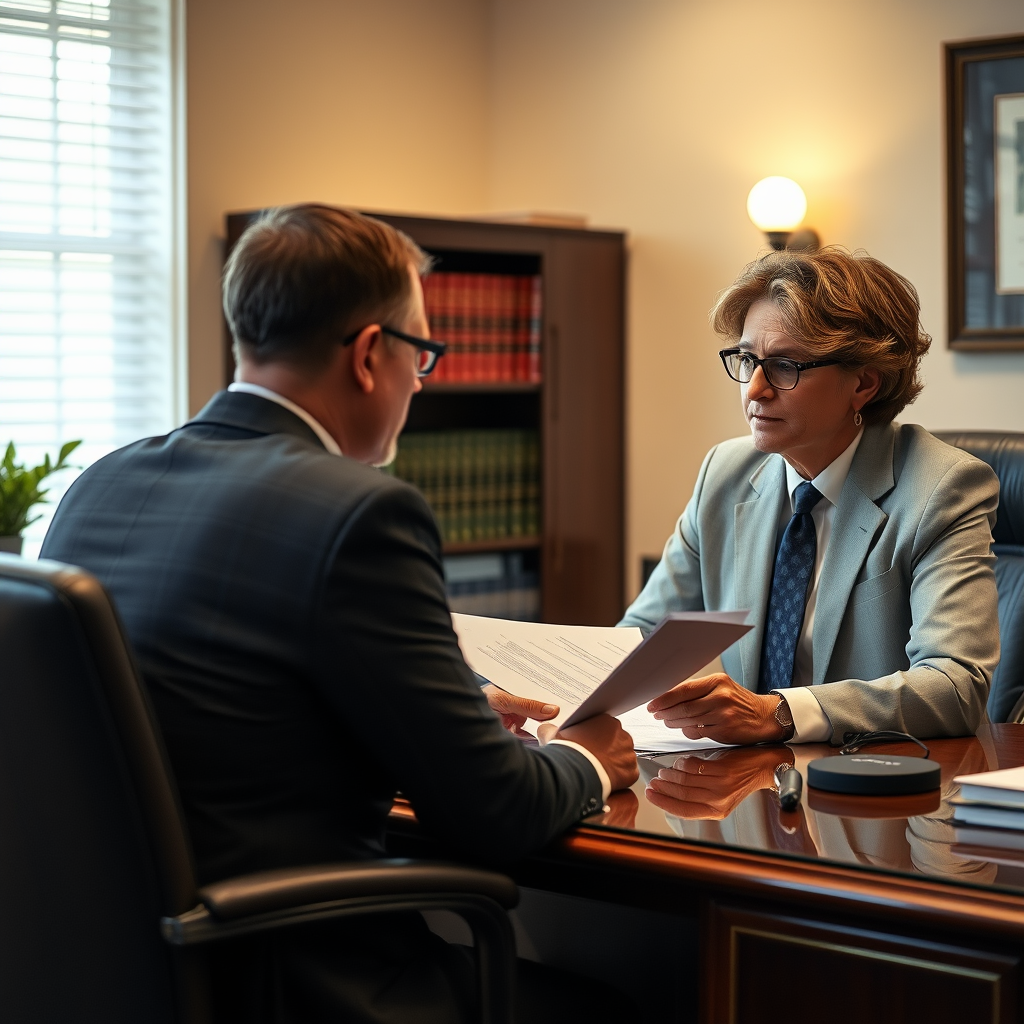
Fault Based Divorce Lawyer Warren County, VA
Reviewed by Mr. Sris, Owner and Founder
Admitted in Virginia, Maryland, District of Columbia, New Jersey, and New York
Practicing since 1997
Divorce is inherently challenging, representing one of the most emotionally and financially complex transitions a person can undergo. When navigating the dissolution of a marriage in Virginia, understanding the legal framework—particularly the concept of fault—is critical to protecting your rights and securing a stable future. If you are seeking guidance on what constitutes fault-based divorce in Warren County, VA, or simply need an attorney who understands the nuances of Virginia family law, know that you do not have to face this process alone. The laws governing divorce are intricate, touching upon everything from property division and alimony to child custody arrangements. Our firm provides comprehensive divorce defense at our firm, ensuring that your unique circumstances are addressed with the utmost care and legal rigor. We help clients in Warren County, VA, navigate these difficult waters by providing clear, strategic counsel.
What Is Fault-Based Divorce in Virginia?
In simple terms, fault-based divorce refers to a legal action where one or both parties allege that the other’s actions or failures contributed to the breakdown of the marriage. Historically, fault played a significant role in determining the distribution of marital assets and the awarding of alimony. However, it is crucial to understand how Virginia law currently views and treats “fault.” While some jurisdictions have moved toward no-fault divorce models, Virginia law still allows for the consideration of fault during certain aspects of the divorce proceedings. The concept of fault generally relates to actions such as adultery, cruelty, or abandonment. When these allegations are raised, they can impact the financial outcomes, though modern statutes aim to prioritize equitable division regardless of who was “at fault.”
How Does Fault Affect Asset Division in Virginia?
The primary concern for most divorcing couples is the division of marital assets. In Virginia, the law generally mandates an equitable division of property acquired during the marriage. While fault allegations can sometimes be used to argue for a deviation from an equal split—for instance, arguing that one party’s misconduct caused financial detriment—the focus remains heavily on the economic reality of the relationship. The court will look at what constitutes marital versus separate property. If you are concerned about how alleged fault might impact your financial settlement, consulting with experienced divorce lawyer Warren County, VA is essential to understanding the current legal standards.
Is Fault Still Relevant for Alimony?
Alimony, or spousal support, is another area where fault allegations might surface. While Virginia law has evolved significantly, the concept of marital misconduct can still be a factor considered by the court when determining the duration and amount of support payments. The goal of alimony is to help the dependent spouse achieve economic self-sufficiency. Therefore, the court weighs the needs of both parties against their respective incomes and earning capacities. Depending on the facts of your case, the alleged fault may influence the overall picture presented to the judge.
How Does The Firm Handle Divorce Cases in Warren County?
Navigating a divorce requires more than just legal knowledge; it demands strategy, empathy, and meticulous attention to detail. When clients come to our firm regarding divorce matters in Warren County, VA, we immediately begin by establishing a clear, confidential path forward. Our process is highly customized because every marriage, and every dissolution, is unique. We do not offer one-size-fits-all solutions. Instead, we conduct a thorough review of all financial documents, legal agreements, and personal histories to build a comprehensive case strategy. This initial phase involves detailed consultations where we listen to your entire story, allowing us to identify potential vulnerabilities or strengths in your position early on.
Our approach is built on proactive communication and active advocacy when necessary. We guide you through the complex procedural steps required by the Virginia courts, from filing initial petitions to attending mediation and final hearings. Whether the matter involves complex asset tracing, custody disputes, or navigating allegations of fault, our team works tirelessly to ensure your voice is heard and your rights are protected. For those needing local representation, we are dedicated to serving the community in Warren County, VA, providing knowledgeable guidance from the moment you reach out until the final decree is signed.
About Mr. Sris and the Firm’s Of Counsel Attorneys
The foundation of our practice rests on decades of dedicated service to Virginia families. Mr. Sris, Owner and Founder, brings a depth of experience that is invaluable to clients facing difficult life transitions. As a former prosecutor, he possesses a unique understanding of the legal process from the opposing side, which allows him to anticipate challenges and build defenses that are robust and highly strategic. His commitment to justice is matched by his dedication to client advocacy, ensuring that every person who walks through our doors receives counsel built on integrity and proven results.
Mr. Sris is admitted in Virginia, Maryland, the District of Columbia, New Jersey, and New York, providing a multi-jurisdictional perspective that is critical when marital assets or legal issues span state lines. Furthermore, the firm’s Of Counsel attorneys are comprised of highly specialized practitioners who augment our core team’s capabilities. These attorneys bring niche experience in areas such as complex tax implications, international asset division, and specific statutory interpretations. We leverage this collective strength to provide a truly comprehensive defense, ensuring that whether your issue is local to Warren County or involves multiple states, you receive experienced attorney counsel from the entire network of the firm.
Navigating India is not a signatory to the 1980 Hague Convention on Civil Aspects of International Child Abduction After Divorce in Virginia
When children are involved, the focus of the divorce proceedings shifts entirely to the “best interests of the child.” This is a standard that supersedes financial disputes and fault allegations. Virginia law emphasizes establishing parenting plans that promote stability, emotional security, and consistent care for the minor children. Custody arrangements can be complex, involving legal custody (decision-making power) and physical custody (where the child resides). Our attorneys work diligently to establish co-parenting agreements that are both legally sound and practically feasible for your family.
What Is the Best Interest of the Child?
The “best interest” standard requires the court to look at the child’s emotional, physical, and developmental needs above all else. This means considering factors like the child’s existing routines, school environment, relationship with both parents, and stability. It is not a simple binary choice. Our team helps you present a holistic picture of what arrangement will provide the most consistent and supportive environment for your children, ensuring that the legal outcome aligns with their emotional well-being.
Dividing Marital Assets and Debts
The division of assets is often the most contentious part of a divorce. Marital assets include everything accumulated during the marriage—bank accounts, real estate, retirement funds, vehicles, and personal property. Similarly, debts acquired during the marriage must be accounted for. The goal is an equitable split, which does not always mean a 50/50 split, but rather a division that fairly reflects each party’s contribution and financial standing. We guide you through the complex process of valuation, ensuring that all assets, even those that are difficult to trace or value, are brought to the table for fair division.
Alimony and Spousal Support Considerations
Spousal support, or alimony, is designed to help a spouse who has sacrificed career advancement or financial stability for the benefit of the marriage. The amount and duration are determined by several factors, including the length of the marriage, the relative incomes of both parties, and the standard of living established during the union. If you are questioning whether you are entitled to support, or if you need to negotiate a settlement that protects your future financial security, our experienced divorce lawyer Charlottesville, VA team can provide clarity on what is typically considered in Virginia.
What Are the Next Steps After Filing for Divorce?
The initial filing is just the beginning. Once the petition is filed, the process moves into discovery, which is the formal exchange of information between both parties’ attorneys. This phase is critical because it allows us to gather every piece of evidence—financial statements, tax returns, correspondence—needed to build your case. Following discovery, mediation is often recommended as a way to reach a mutually acceptable agreement outside of a courtroom battle. If mediation fails, the case proceeds to trial. We manage this entire timeline for you, keeping you informed at every stage and advising you on the trusted course of action.
Frequently Asked Questions About Divorce in Warren County
What is the typical timeline for a divorce in Virginia?
The timeline varies dramatically depending on whether both parties agree on all issues, the complexity of the assets, and the court’s current docket. While uncontested divorces can sometimes be resolved relatively quickly, contested cases involving significant disputes over custody or finances often take many months to complete.
Do I need an attorney if I file for divorce in Warren County?
While you have the right to represent yourself, family law is highly technical. An attorney ensures that all required legal filings are correct, that your rights are protected under Virginia statute, and that you are aware of every opportunity to negotiate favorable terms.
Can fault be used to deny me alimony?
While fault allegations can be introduced, the court’s primary focus is on equitable distribution based on need and contribution. Simply alleging fault may not automatically negate your right to support, but it can influence the overall narrative presented to the judge.
What documents should I gather before meeting with an attorney?
You should gather every piece of financial documentation possible: tax returns (last 3-5 years), pay stubs, bank statements, investment account records, and deeds or titles to any property owned by either party.
How does the law treat premarital assets?
Assets owned before the marriage are generally considered separate property and are not subject to division. However, if those separate assets were improved or mixed with marital funds, the court may consider tracing and valuing that contribution.
Is mediation mandatory before going to trial?
Mediation is often strongly recommended by the court and by attorneys, as it provides a structured, neutral environment to discuss settlement options. However, whether it is legally mandatory depends on the specific judge and local court rules in Warren County.
What if we cannot agree on India is not a signatory to the 1980 Hague Convention on Civil Aspects of International Child Abduction?
If agreement cannot be reached, the court will hold a hearing where both parents present evidence regarding their parenting plans. The judge will then make a determination based on the best interests standard.
Are there different types of divorce in Virginia?
Divorce can be filed as contested (disagreement on key issues) or uncontested (mutual agreement). Some cases may involve specific statutory claims, such as those related to fault, but the core process remains focused on dissolution and equitable resolution.
Where Can I Find a Divorce Attorney Near Warren County?
If you are searching for a divorce lawyer Lynchburg or need representation in another nearby area, remember that our firm serves the entire region. We maintain thorough knowledge of the local court procedures across multiple counties. When you reach out to us at (888) 437-7747, we can direct you to the most appropriate counsel within our network who has experience with your specific jurisdictional needs.
Legal Advice for Divorce in Virginia
The law surrounding divorce is constantly evolving, and what was true last year may be different today. Because of this complexity, it is impossible to give definitive advice without a full review of your personal situation. We strongly advise that you speak with an attorney about your particular situation to understand the current legal standing regarding fault, property division, and custody in Virginia.
Ready to Take the Next Step?
Divorce is overwhelming, but you do not have to navigate it alone. Our team of experienced attorneys in Warren County, VA, is ready to provide confidential counsel and a clear plan of action. Call us today at (888) 437-7747 to schedule your initial consultation. By appointment only.
Case results depend on a variety of factors unique to each case.
Attorney advertising. Prior results do not guarantee a similar outcome.