
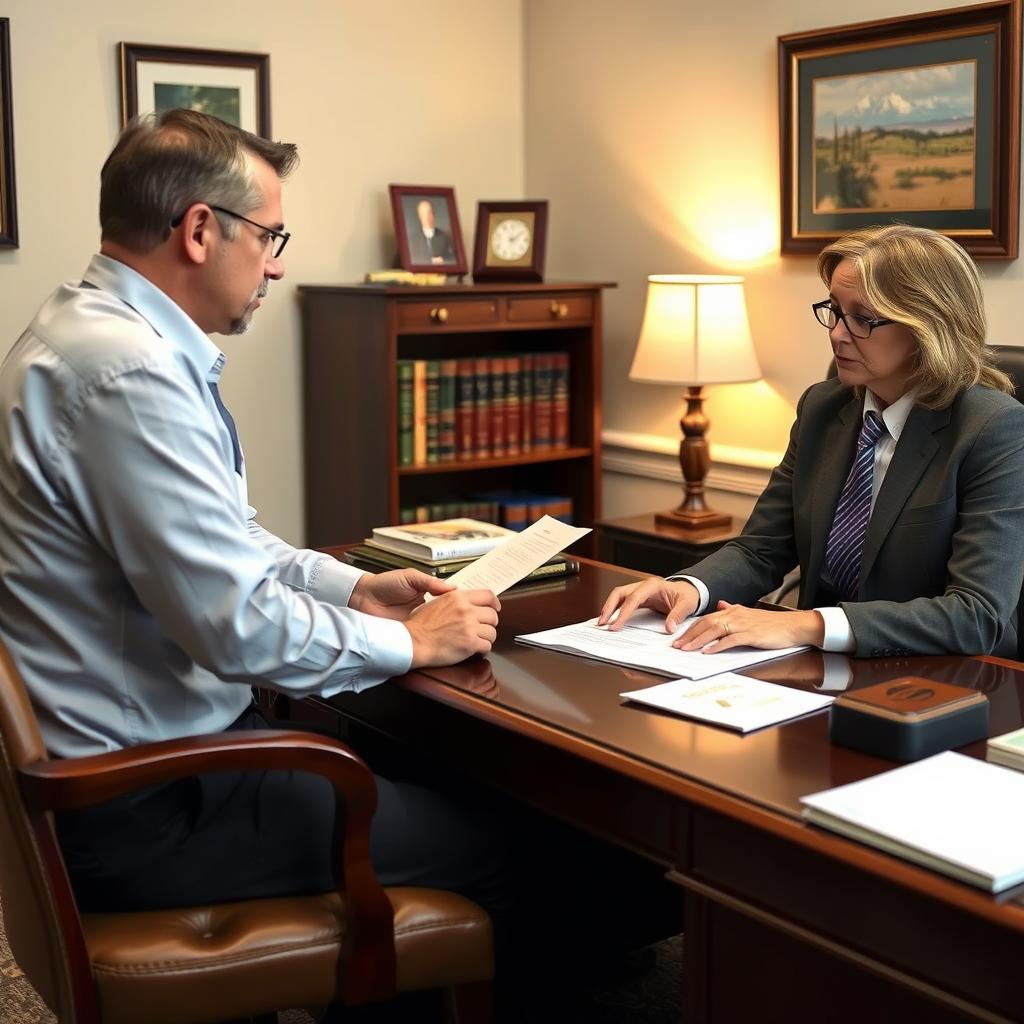
Establish Paternity Lawyer Rappahannock County, VA
When a child’s legal parentage is uncertain, establishing paternity provides the legal foundation for custody, visitation, and child support. In Rappahannock County, Virginia, paternity matters are heard in the Rappahannock County Juvenile and Domestic Relations District Court—located at 250 Gay Street, Suite 1, Washington, Virginia. Mr. Sris, Owner and Founder of Law Offices Of SRIS, P.C., and his Of Counsel team represent clients throughout Rappahannock County in paternity establishment proceedings, including parents seeking to confirm legal parentage and those who need to establish the father’s rights and responsibilities. Reach our firm at (888) 437-7747 to schedule a consultation. Law Offices Of SRIS, P.C. – Advocacy Without Borders.
What Establishing Paternity Means in Rappahannock County, VA
In Virginia, paternity is the legal determination that a man is the father of a child. The law governing how paternity is established is found in Virginia Code § 20‑49.1 et seq. Once paternity is legally established, the father gains rights—such as the ability to seek custody or visitation—and becomes responsible for financial support of the child. For a mother, establishing paternity can be the first step toward securing child support and providing the child with access to benefits such as health insurance coverage or inheritance rights.
Rappahannock County, a rural community nestled along the eastern boundary of Shenandoah National Park, is part of Virginia’s Twentieth Judicial District. Paternity cases here are filed in the Rappahannock County Juvenile and Domestic Relations District Court. That court shares jurisdiction with the Rappahannock County Circuit Court on related matters like equitable distribution in a divorce case. Because paternity touches so many aspects of family law, having an attorney who understands both the local court process and the broader legal framework helps parents move forward with confidence.
How Mr. Sris and His Of Counsel Handle Paternity Cases
Mr. Sris and his Of Counsel approach each paternity matter by first clarifying the client’s goals—whether that means initiating a paternity action to obtain child support, defending against a petition when parentage is disputed, or incorporating a paternity determination into a larger divorce or custody case. The legal process typically involves filing a petition in the Juvenile and Domestic Relations District Court, followed by genetic testing if parentage is not agreed upon. Virginia law allows the court to order DNA testing, and the results can serve as conclusive evidence of paternity.
Once paternity is established, the court may address custody, visitation, and child support. Because those issues are interwoven, Mr. Sris and his Of Counsel work to anticipate the downstream effects of a paternity ruling and advocate for a result that protects the child’s well‑being and the parent’s rights. Matters that involve unmarried parents, out‑of‑state fathers, or complex family dynamics benefit from the firm’s substantial experience in Virginia family law.
About Mr. Sris and His Of Counsel Team
Mr. Sris, Owner and Founder of Law Offices Of SRIS, P.C., has been practicing law since 1997 and is admitted in Virginia, Maryland, the District of Columbia, New Jersey, and New York. His background as a former prosecutor informs his approach to family law disputes; he brings a thorough understanding of how evidence is evaluated and how courts weigh competing interests. Mr. Sris testified before the Virginia House Courts of Justice Committee in support of 2019 HB 635 (chief patron Del. David Bulova).
Mr. Sris works alongside a team of experienced Of Counsel attorneys. Over 120 years of combined legal experience between Mr. Sris and his Of Counsel, with 4,739+ documented firm-wide results, supports clients in Rappahannock County and across Virginia. Results may vary.
Frequently Asked Questions
What is the legal process to establish paternity in Virginia?
Paternity is established in Virginia by filing a petition in the juvenile and domestic relations district court where the child resides, requesting a judicial determination of parentage. The court may order genetic testing if the alleged father does not voluntarily acknowledge paternity. Virginia Code § 20‑49.1 et seq. Governs the procedure. Once paternity is established, the court will enter an order that can include provisions for custody, visitation, and child support. The process is civil in nature and does not involve criminal charges.
Who can bring a paternity action in Rappahannock County?
In Virginia, a paternity petition may be filed by the child’s mother, the child’s putative father, the child through a guardian or next friend, or the Department of Social Services when the child is receiving public assistance. The court’s primary consideration is the best interests of the child. If you are unsure about whether you have standing to file, an attorney can evaluate your situation and determine the appropriate next steps under Virginia law.
What happens after paternity is legally established?
After paternity is established, the father’s name is added to the child’s birth certificate, and he becomes legally responsible for child support and entitled to seek custody or visitation. The court may immediately address support obligations or set a separate hearing. Custody and visitation rulings will be based on the trusted‑interests factors outlined in Virginia Code § 20‑124.3. Because paternity orders can be modified if circumstances change, it is helpful to work with a lawyer who can advise on both immediate and long‑term legal effects.
Can paternity be established if the father lives out of state?
Yes, Virginia courts can exercise jurisdiction to establish paternity for a child who resides in Rappahannock County even if the alleged father lives in another state, as long as personal jurisdiction requirements are satisfied. Service of process on an out‑of‑state father must comply with Virginia’s long‑arm statute and due process rules. An attorney can help navigate interstate service and coordinate genetic testing when needed. Because state laws differ, working with a firm experienced in multi‑state family law matters helps avoid procedural delays.
Do I need a lawyer to establish paternity?
You are not legally required to have a lawyer to file a paternity petition in Virginia, but the process involves legal pleadings, rules of evidence, and potential disputes over custody and support that benefit from professional guidance. An attorney can help you understand the consequences of establishing paternity—including child support obligations, inheritance rights, and the father’s potential custody claims—and can represent you in contested proceedings. For a consultation, reach Mr. Sris and his Of Counsel at (888) 437‑7747.
What if the alleged father refuses a DNA test?
If a party refuses to comply with a court‑ordered genetic test, the court may enter a default finding of paternity against that party. Virginia law permits the court to draw an adverse inference from a refusal to submit to testing. In practice, most paternity cases are resolved without trial once test results are available. An experienced family law attorney can explain how the court is likely to handle non‑compliance and protect your rights.
Also see: Family Law Lawyer Fairfax County · Family Law Lawyer Fairfax City · Family Law Lawyer Falls Church · Family Law Lawyer Prince William County · Family Law Lawyer Manassas
Virginia Legal Resources
Virginia Code Title 20 (Domestic Relations) ·
Rappahannock County Combined Courts ·
Virginia Judicial System
Attorney advertising. Prior results do not guarantee a similar outcome. Results may vary.
Case results depend on a variety of factors unique to each case.