
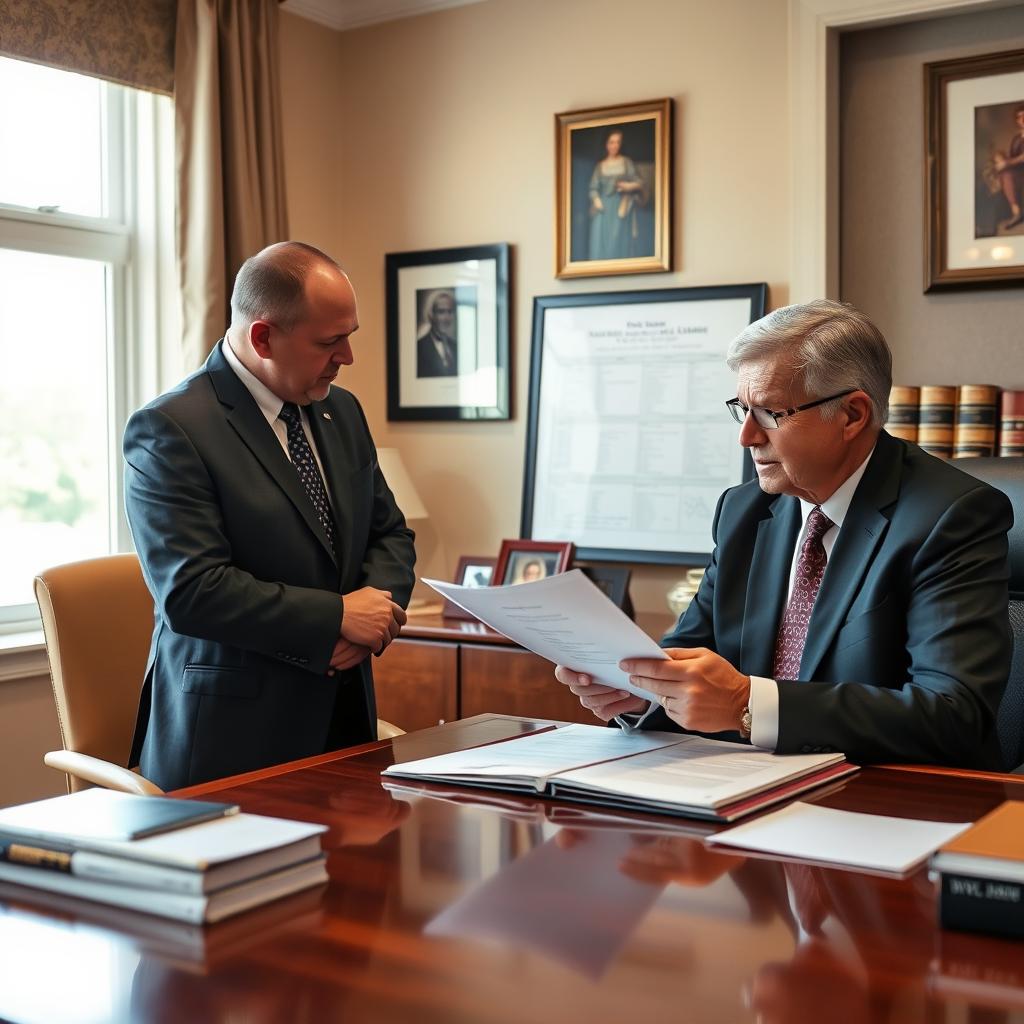
Catholic Annulment Lawyer in Dinwiddie County, Virginia
A Catholic annulment is a declaration by a Church tribunal that a marriage was not sacramentally valid. In Dinwiddie County, this religious annulment process is separate from a civil divorce. A Catholic Annulment Lawyer Dinwiddie County from Law Offices Of SRIS, P.C. can guide you through the canonical procedures and evidentiary requirements.
Understanding the Catholic Annulment Process in Virginia
The Catholic Church views marriage as a lifelong, indissoluble sacrament. An annulment (declaration of nullity) does not dissolve a marriage but rather finds that a valid sacramental bond was never created due to a defect present at the time of consent. This is governed by canon law, not Virginia state statutes. However, civil divorce proceedings in Dinwiddie County Circuit Court often run parallel to the church process.
Last verified: April 2026 | Dinwiddie County General District Court | Virginia General Assembly
Official Resources and Legal Context
While the annulment itself is a religious matter, related civil issues like property division and child custody are handled in Virginia courts. It is important to understand both systems. You can review the Virginia marriage and divorce statutes for the civil framework. For local court procedures, visit the Dinwiddie County Courts website.
The Religious Annulment Process with a Dinwiddie County Lawyer
handling the religious annulment process lawyer Dinwiddie County residents need requires specific knowledge. The process involves submitting a formal petition to a diocesan tribunal, gathering witness testimony, and possibly participating in a tribunal hearing. Our role is to help you compile the necessary evidence and present a clear case for nullity based on canonical grounds such as lack of due discretion, incapacity to assume marital obligations, or fraud.
- Initial consultation to assess potential grounds for nullity under canon law.
- Gather and prepare required documents: marriage certificate, civil divorce decree, personal statements.
- Identify and interview witnesses who can provide testimony to the tribunal.
- Draft and formally submit the petition (libellus) to the Diocese of Richmond tribunal.
- Represent you in communications with the tribunal and advocate for your petition.
- Guide you through any subsequent steps or appeals following the tribunal’s decision.
Why Legal Guidance is Essential for a Church Annulment
Working with a church annulment lawyer Dinwiddie County provides is crucial because the process is highly formal and evidentiary. Mr. Sris, our managing attorney, brings a deep understanding of both family law and the sensitive nature of religious proceedings. His background includes personally amending Virginia’s equitable distribution statute (Va. Code § 20-107.3), demonstrating a commitment to nuanced family legal matters. We ensure your petition addresses all canonical requirements while coordinating with any ongoing civil divorce actions in Dinwiddie County Circuit Court.
Samantha Rae Powers, Associate Attorney at Law Offices Of SRIS, P.C. — Licensed in VA, FL. Experienced family law and civil litigator. View Samantha Rae Powers’s Profile
Case Results and Firm Experience
Law Offices Of SRIS, P.C. has 30 documented case results in Dinwiddie County across all practice areas. Our firm was founded in 1997 and our attorneys have over 120 years of combined legal experience. We have achieved 4,739+ case results firm-wide with a 93%+ favorable outcome rate.
Results may vary. Prior results do not guarantee a similar outcome.
Law Offices Of SRIS, P.C. — Richmond
7400 Beaufont Springs Dr Suite 300 Room 359, Richmond, VA 23225
Toll-Free: (888) 437-7747 | Local: (804)201-9009
By appointment only. 24/7 phone consultations.
Our Richmond location serves clients at Dinwiddie County courts. We provide legal support for the religious annulment process and related family law matters for residents of Dinwiddie and McKenney.
Frequently Asked Questions: Catholic Annulment in Dinwiddie County
Do I need a civil divorce before seeking a Catholic annulment?
Yes. The Catholic Church typically requires a civil divorce decree to be finalized before it will formally begin the annulment process. The civil divorce addresses the legal dissolution of the marriage, while the annulment addresses its sacramental validity.
How long does the Catholic annulment process take in Virginia?
It depends. The timeline varies based on the diocese’s caseload, the complexity of your case, and how quickly evidence is gathered. For the Diocese of Richmond, the process often takes between 12 and 18 months from petition submission to a final decision.
What are the most common grounds for a Catholic annulment?
Common grounds include lack of due discretion (not understanding the marriage commitment), incapacity to fulfill marital obligations, fraud or deceit, and force or fear. A lawyer can help you identify which canonical ground applies to your situation.
Can I remarry in the Catholic Church if my annulment is granted?
Yes. If the tribunal grants a declaration of nullity, you are free to marry in the Catholic Church, provided you meet all other canonical requirements and obtain proper dispensations if needed.
What is the role of a lawyer in the annulment process?
A Catholic Annulment Lawyer Dinwiddie County relies on helps gather evidence, draft the formal petition, prepare witness statements, and serve as your advocate in communications with the diocesan tribunal, ensuring your case is presented clearly and completely.
For more information, see our Virginia Family Law hub page. We also assist clients in Henrico County and Chesterfield County. If you need other services, consider a Dinwiddie County criminal defense lawyer or a personal injury lawyer.
Page last verified and updated: April 2026. Laws and procedures change. Contact Law Offices Of SRIS, P.C. at (888) 437-7747 for current guidance.