
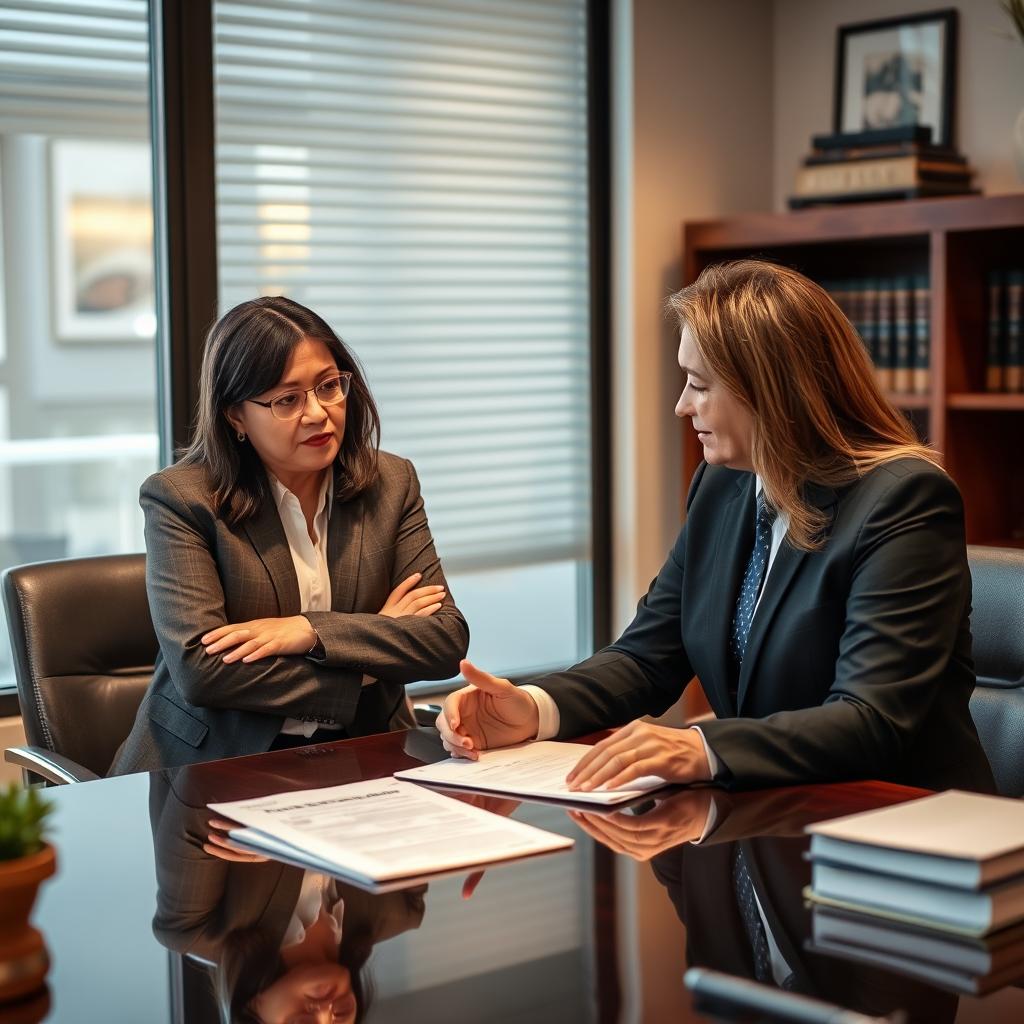
Alimony Lawyer Virginia Beach, VA
Alimony, also called spousal support, is often one of the most contested issues in a Virginia divorce. Whether you expect to pay support or need to receive it, the outcome can reshape your financial future for years. Virginia Beach residents turn to the Circuit Court and the Juvenile and Domestic Relations District Court to resolve these matters under Va. Code § 20-107.1. Mr. Sris, Owner and Founder of Law Offices Of SRIS, P.C., concentrates his family law practice on helping clients in Virginia Beach and the surrounding Hampton Roads communities work toward fair support arrangements. With a background that includes testimony before the Virginia House Courts of Justice Committee on family law legislation, Mr. Sris understands both the courtroom realities and the financial complexities that drive alimony outcomes. Reach our firm at (888) 437-7747 to schedule a consultation. Law Offices Of SRIS, P.C. – Advocacy Without Borders.
What Alimony Means in Virginia Beach, Virginia
Alimony in Virginia is not automatic. A spouse requesting support must demonstrate a need and the other spouse’s ability to pay. The court weighs thirteen statutory factors under Va. Code § 20-107.1(E)—including the standard of living established during the marriage, the duration of the marriage, the age and physical condition of the parties, and each spouse’s contributions to the family’s well-being. Unlike child support, which follows mathematical guidelines, spousal support involves judicial discretion, making the quality of the presentation critical.
In Virginia Beach, alimony disputes are heard in the Virginia Beach Circuit Court when tied to a divorce, and in the Virginia Beach Juvenile and Domestic Relations District Court for support-only filings. The Circuit Court handles equitable distribution and fault-based divorces that can influence support, while the JDR court addresses custody and standalone support petitions. Virginia Beach’s population includes many military families and retirees, which can introduce unique considerations for earning capacity and health-related support needs. The proximity of Naval Air Station Oceana and the resort economy means judges often see cases involving fluctuating income streams and deployment schedules—factors that can affect the amount and duration of any support award.
Virginia offers several forms of alimony. Pendente lite support may be ordered while a divorce is pending. Rehabilitative support helps a spouse obtain education or training to become self-sufficient. Permanent or indefinite support is reserved for marriages of long duration or when one spouse cannot overcome a substantial earning disparity. The court may also order a lump-sum payout in lieu of periodic payments. Every case is fact-specific, and the court’s decision is shaped by thorough financial disclosures and persuasive argument. Mr. Sris and his Of Counsel work to ensure the judge has a complete picture of both parties’ circumstances.
How Mr. Sris and His Of Counsel Handle Alimony Cases
Mr. Sris approaches alimony with a focus on the complete financial picture. He and his Of Counsel begin by examining income documentation, tax returns, business interests, retirement assets, and reasonable living expenses. When a spouse owns a business or holds professional practice assets, the firm may engage forensic accountants and business valuators to present objective evidence to the court. Proper classification of income—distinguishing between base salary, bonuses, distributions, and deferred compensation—is often the most contested part of a support case.
The procedural path depends on whether the parties can reach an agreement. Many Virginia Beach clients resolve spousal support through a negotiated separation agreement, which allows them to control the outcome and avoid a contested court hearing. When negotiation is not possible, Mr. Sris and his Of Counsel prepare for litigation by organizing exhibits, identifying witnesses, and crafting a clear narrative that explains why the requested support amount is justified or why the payor spouse’s circumstances warrant a lower obligation. The firm appears regularly in the Virginia Beach courts and understands the expectations of the local bench.
About Mr. Sris and His Of Counsel Team
Mr. Sris founded Law Offices Of SRIS, P.C. in 1997 and has been practicing family law ever since. A former prosecutor, he brings courtroom experience to every phase of a case. Mr. Sris testified before the Virginia House Courts of Justice Committee in support of 2019 HB 635 (chief patron Del. David Bulova), a bill that revised Virginia’s equitable distribution statute—a credential that speaks to his understanding of how Virginia family law is made and applied. He is admitted in Virginia, Maryland, the District of Columbia, New Jersey, and New York, and keeps a manageable caseload to remain personally involved in the strategy of each matter.
Mr. Sris’s Of Counsel team includes attorneys with extensive backgrounds in family law and litigation. All are engaged through the firm as Of Counsel and work collaboratively on alimony and related matters. Collectively, Mr. Sris and his Of Counsel bring extensive combined legal experience to every case. The firm has documented case results across all practice areas since 1997. Results may vary.
Frequently Asked Questions
How does a court decide alimony in Virginia Beach?
Virginia courts weigh thirteen statutory factors under Va. Code § 20-107.1 to determine whether alimony is appropriate, in what amount, and for how long. The judge considers the standard of living during the marriage, each spouse’s education and earning capacity, the duration of the marriage, contributions to the family, and the financial needs and resources of both parties. Fault is not a direct factor in setting support, but circumstances experienced to the divorce may be considered if they unfairly impact the other spouse’s financial situation. In Virginia Beach, local judges are familiar with the area’s economic drivers and often look closely at the realistic earning potential of both spouses when making support decisions.
Can alimony be modified after a divorce in Virginia Beach?
Yes, alimony may be modified if there has been a material change in circumstances that was not anticipated at the time of the original order. A material change could include involuntary job loss, a significant increase or decrease in income, a medical disability, or a change in the recipient spouse’s financial needs. The party seeking modification must file a motion with the court that issued the original order, typically the Virginia Beach Circuit Court or Juvenile and Domestic Relations District Court. The judge will not simply re-evaluate the original case; there must be a new, substantial, and continuing change. Mr. Sris and his Of Counsel can help assess whether your change qualifies for modification.
What is the difference between rehabilitative and permanent alimony in Virginia?
Rehabilitative alimony is designed to support a spouse for a limited period while they obtain education or training to become self-supporting, while permanent alimony is awarded when the recipient spouse cannot reasonably be expected to achieve economic independence. Rehabilitative support defines a specific goal and a reasonable timeline. Permanent—or indefinite—support is more appropriate after long marriages where one party left the workforce for many years or when age or health prevents re-entry. In Virginia Beach, a judge may award permanent support if the evidence shows the recipient spouse’s earning capacity will not substantially improve. The burden is on the requesting party to prove the need for support beyond a set term.
Is alimony automatic in a long-term Virginia Beach marriage?
No, alimony is never automatic in Virginia, regardless of the length of the marriage. A spouse must prove both need and the other spouse’s ability to pay. However, the duration of the marriage is one of the statutory factors, and in a very long marriage—especially one where one spouse stayed home to raise children—the court is more likely to find a need for support. Even in these cases, the judge examines the specific financial picture. A spouse who has inherited significant separate property or who has marketable skills may see a support request denied or limited. Every outcome depends on the evidence presented.
Do I need an attorney to handle my alimony case in Virginia Beach?
You are not legally required to have an attorney, but alimony cases involve complex financial issues and statutory factors that are difficult to navigate without experienced counsel. The court applies legal standards that depend on detailed financial disclosures and persuasive argument. An attorney can help you present your income and expenses accurately, identify hidden or undervalued assets, and challenge the other side’s claims. Mr. Sris and his Of Counsel have extensive experience in Virginia Beach family law matters and can guide you through the process from initial filing through final hearing. For a consultation, reach Mr. Sris and his Of Counsel at (888) 437-7747.
How long does it take to resolve an alimony dispute in Virginia Beach?
The timeline varies by case. An alimony dispute that is resolved through a separation agreement can be finalized in a matter of weeks once both parties sign. If the matter goes to a contested hearing, the court’s calendar and the complexity of the financial evidence—such as business valuations or expert reports—will determine how quickly a final order is entered. The Virginia Beach courts schedule cases according to their dockets, and pendente lite support can often be addressed through a preliminary motion while the full case proceeds. Mr. Sris and his Of Counsel work to move cases forward efficiently while building the strongest possible record.
Outbound primary-source authority:
Attorney advertising. Prior results do not guarantee a similar outcome.
Results may vary. Engaging Law Offices Of SRIS, P.C. Requires a signed engagement agreement. The firm serves Virginia Beach from its Richmond location. By appointment only. Call (888) 437-7747 to schedule.
Case results depend on a variety of factors unique to each case.