
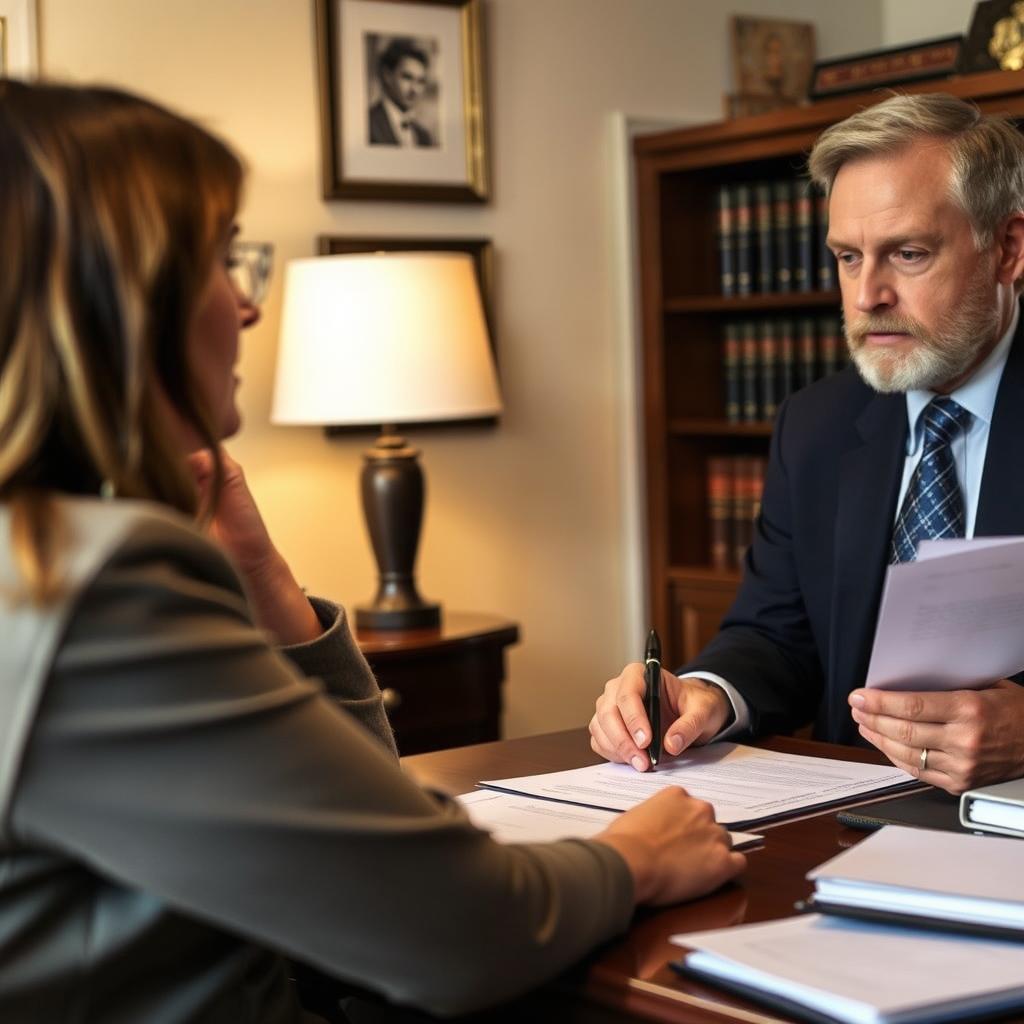
Alimony Lawyer Fluvanna County, VA
Alimony—known as spousal support in Virginia—is a key financial issue in many divorce cases. In Fluvanna County, spousal support matters are handled by the Fluvanna County Circuit Court, which has jurisdiction over divorce and related financial claims. Mr. Sris, Owner and Founder of Law Offices Of SRIS, P.C., represents clients in alimony proceedings throughout Fluvanna County, including the communities of Palmyra, Fork Union, and Lake Monticello. The firm’s Shenandoah Location serves Fluvanna County residents, and consultations are available by appointment. Whether you are seeking support as a dependent spouse or defending against a request, having experienced counsel can make a meaningful difference in how the court evaluates your financial picture under Virginia’s statutory framework. To request a consultation, contact Law Offices Of SRIS, P.C. at (888) 437-7747. Law Offices Of SRIS, P.C. – Advocacy Without Borders.
Alimony and Spousal Support in Fluvanna County, Virginia
In Virginia, spousal support is distinct from the equitable division of marital property. While property division addresses who gets what after a divorce, alimony is about ongoing financial need and the ability of one spouse to pay the other. The Fluvanna County Circuit Court, located at 72 Main Street in Palmyra, hears all spousal support matters arising from divorce or separate maintenance actions.
Under Va. Code § 20-107.1, Virginia courts consider thirteen statutory factors when determining spousal support.
Source: Va. Code § 20-107.1. Virginia Code § 20-107.1
Reviewed by Mr. Sris, admitted in VA/MD/DC/NJ/NY.
These factors include the length of the marriage, the standard of living established during the marriage, each party’s earning capacity, contributions to the family, and the grounds for divorce. The court has broad discretion to weigh these factors and fashion an award that is fair under the circumstances. Temporary support—called pendente lite support—may be ordered while a divorce is pending, and final orders may provide for rehabilitative support or, in cases of long marriages or significant need, support of indefinite duration.
Fluvanna County residents should be aware that the Circuit Court is the proper forum for spousal support claims tied to divorce, while standalone support or custody matters may also be heard in the Fluvanna County Juvenile and Domestic Relations District Court. An attorney familiar with local court procedures can help ensure your case is filed in the right venue and presented effectively.
How Mr. Sris and His Of Counsel Handle Alimony Matters
Mr. Sris and his Of Counsel team approach each alimony case with a focus on financial clarity, thorough preparation, and practical negotiation. The process typically begins with a comprehensive review of both spouses’ financial records—income, assets, debts, and expenses—to develop a clear picture of the economic realities of the marriage. When necessary, the team works with forensic accountants and financial professionals to uncover income streams or asset values that may affect the support analysis.
In many cases, the parties are able to reach an agreement on spousal support through negotiation or mediation, avoiding the uncertainty of a court hearing. When an agreement cannot be reached, Mr. Sris and his Of Counsel are prepared to litigate the matter before the Fluvanna County Circuit Court, presenting evidence and testimony that address each of the statutory factors. The team also handles post-divorce matters, including petitions to modify support due to changed circumstances and enforcement actions when a former spouse fails to comply with a court order. Throughout the process, the goal is to achieve a resolution that is fair and sustainable for the client.
About Mr. Sris and His Of Counsel Team
Mr. Sris founded Law Offices Of SRIS, P.C. in 1997 and serves as Owner and Founder. A former prosecutor, he has practiced family law in Virginia for many years and is admitted to the bars of Virginia, Maryland, the District of Columbia, New Jersey, and New York. Mr. Sris testified before the Virginia House Courts of Justice Committee in support of 2019 HB 635 (chief patron Del. David Bulova). His experience in litigation and negotiation informs the firm’s approach to alimony cases.
Mr. Sris is supported by a team of Of Counsel attorneys who are engaged through Excella. These attorneys bring additional experience in family law, financial discovery, and courtroom advocacy. Together, Mr. Sris and his Of Counsel team work to provide clients in Fluvanna County with representation that addresses both the legal and personal dimensions of spousal support disputes. Every matter is handled with attention to the client’s individual circumstances and goals.
Frequently Asked Questions
What is alimony (spousal support) in Virginia?
Alimony, known as spousal support in Virginia, is a court-ordered payment from one spouse to another during or after a divorce. It is distinct from property division and is based on the receiving spouse’s need and the paying spouse’s ability to pay. Virginia courts consider thirteen statutory factors under Va. Code § 20-107.1, including the duration of the marriage, standard of living, contributions to the marriage, and each party’s earning capacity. The goal is to provide a fair financial arrangement. Our firm can explain how these factors apply to your situation.
How does the Fluvanna County court decide alimony?
Alimony decisions in Fluvanna County are made by the Fluvanna County Circuit Court. The judge evaluates the statutory factors, financial affidavits, and evidence of each spouse’s income and expenses. Spousal support may be temporary (pendente lite), rehabilitative, or indefinite depending on the circumstances. The court has discretion, but Virginia law does not require a fixed formula. Having an attorney present financial evidence effectively can influence the outcome. Our team appears regularly in the Fluvanna County court.
Can alimony be modified after a divorce in Virginia?
Yes, spousal support may be modified if there has been a material change in circumstances. Common reasons include job loss, disability, remarriage, or a significant increase or decrease in income. The party seeking modification must file a motion in the Circuit Court and provide evidence. Our firm handles alimony modification proceedings in Fluvanna County and can advise whether your situation meets the legal standard.
What happens if my ex-spouse refuses to pay court-ordered alimony?
If a former spouse fails to pay alimony as ordered, enforcement measures are available. These include contempt of court proceedings, wage garnishment, and liens. The Fluvanna County Circuit Court can enforce its orders. We represent clients in alimony enforcement actions, working to recover overdue support.
Do I need a lawyer to seek alimony in Fluvanna County?
While you are not required to have an attorney, alimony proceedings involve complex financial issues and legal standards. An experienced lawyer can help you gather documentation, argue the relevant factors, and protect your interests. Self-representation can be challenging, especially if the other side has counsel. Contact Law Offices Of SRIS, P.C. to discuss your case.
How can I contact a Fluvanna County alimony attorney?
You can reach Law Offices Of SRIS, P.C. by calling (888) 437-7747 to schedule a consultation. Our Shenandoah Location serves clients throughout Fluvanna County. We offer consultations by appointment and are available to discuss your alimony matter. Contact us today to speak with Mr. Sris or an Of Counsel attorney.
We also serve surrounding counties and cities. Learn more about our family law representation in Fairfax County, Prince William County, Manassas, and Falls Church.
For additional legal resources, consult Virginia Code Title 20 (Domestic Relations), the Fluvanna County Circuit Court, and the Virginia Judicial System.
Attorney advertising. Prior results do not guarantee a similar outcome.
Results may vary.
Case results depend on a variety of factors unique to each case.