
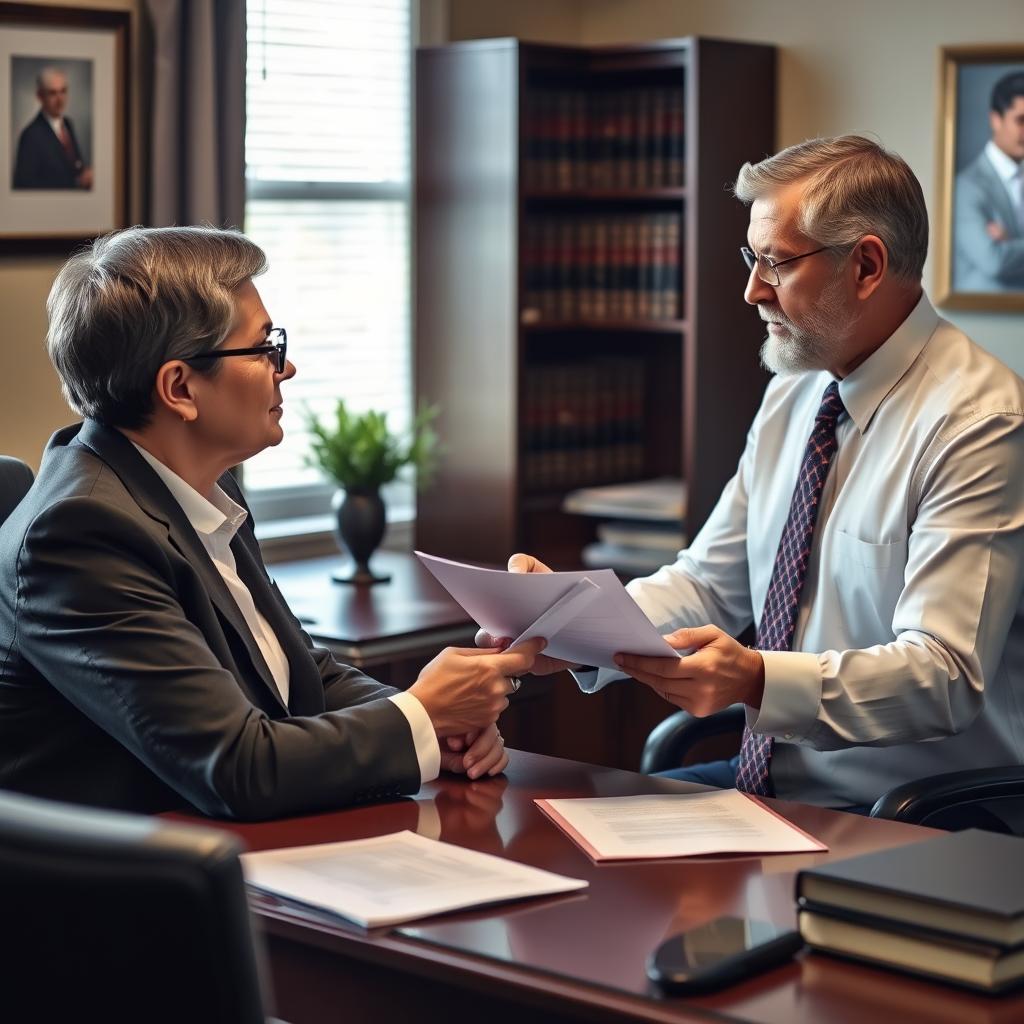
Divorce Lawyer Shenandoah
You need a Divorce Lawyer Shenandoah to handle your case in Shenandoah County. The Law Offices Of SRIS, P.C. —Advocacy Without Borders. provides direct legal representation for divorce filings. Virginia law requires specific grounds or a separation period. The Shenandoah County Circuit Court manages all divorce proceedings. SRIS, P.C. has a Location serving Shenandoah to handle your dissolution of marriage. (Confirmed by SRIS, P.C.)
Statutory Definition of Divorce in Virginia
Virginia Code § 20-91 — Civil Action — Final decree dissolves the marriage. Virginia law defines divorce as a civil action to dissolve the bonds of matrimony. The statutes provide specific fault-based grounds and a no-fault option. You must prove your case meets one of these legal standards. The court will not grant a divorce without proper evidence and procedure. Understanding these codes is the first step in any case.
The primary statute is Virginia Code § 20-91. It lists the grounds for divorce from the bond of matrimony. Fault grounds include adultery, cruelty, desertion, and felony conviction. The no-fault ground is living separate and apart for a specified period. For couples with no minor children, the period is six months with a separation agreement. For couples with minor children, the period is one year. The separation must be continuous and without cohabitation.
Virginia Code § 20-95 governs the residency requirement for filing. At least one party must have been a resident of Virginia for six months. The divorce complaint is filed in the circuit court of the county or city. This is where the plaintiff resides or where the defendant resides. For military families, special rules under the Servicemembers Civil Relief Act may apply. A Divorce Lawyer Shenandoah knows how to handle these jurisdictional issues.
What are the grounds for divorce in Shenandoah?
Grounds are either fault-based or no-fault separation. Fault grounds require proof of acts like adultery or cruelty. No-fault requires a period of living separate and apart. The required separation period depends on whether you have minor children. A separation agreement can shorten the time to six months for childless couples. Your Divorce Lawyer Shenandoah will advise on the strongest ground for your situation.
How does Virginia define “living separate and apart”?
It means living in separate residences without marital relations. You can live under the same roof in rare circumstances. This requires proof of separate bedrooms and no intimate relationship. The court looks for clear evidence of an ended marital partnership. Brief reconciliations can reset the separation clock. Documentation is critical for proving this ground.
What is a divorce from bed and board?
It is a legal separation, not a final divorce. Virginia Code § 20-95 allows this limited divorce. It addresses support and custody but does not end the marriage. Parties cannot remarry after a divorce from bed and board. It can be converted to a final divorce after the separation period runs. This is sometimes used for religious or financial reasons. Learn more about Virginia family law services.
The Insider Procedural Edge in Shenandoah County
The Shenandoah County Circuit Court at 112 S. Main St., Woodstock, VA 22664 handles all divorces. You file the Complaint for Divorce and other pleadings at this court. The clerk’s Location is in the historic courthouse on Main Street. Procedural specifics for Shenandoah are reviewed during a Consultation by appointment at our Shenandoah Location. The filing fee for a divorce complaint is set by Virginia statute. Local rules may require additional steps for serving the other party.
The court follows the Virginia Rules of Supreme Court for civil procedure. All documents must comply with local formatting rules. The case will be assigned to a specific circuit court judge. Shenandoah County has a predictable docket system for family law matters. Uncontested divorces can sometimes be finalized by affidavit. Contested divorces require hearings and potentially a full trial.
The timeline from filing to final decree varies. An uncontested case with agreement can finish in a few months. A contested case with disputes over assets or children can take a year or more. The court’s schedule and caseload impact the speed. Your attorney must manage discovery, motions, and hearings efficiently. Missing a deadline can cause significant delays in your case.
Where do I file for divorce in Shenandoah County?
File at the Shenandoah County Circuit Court clerk’s Location. The address is 112 South Main Street in Woodstock, Virginia. Woodstock is the county seat for Shenandoah County. The clerk can provide basic forms but not legal advice. You must file the original complaint and pay the required fee. Proper venue is essential for the court to have jurisdiction.
What is the typical timeline for a Shenandoah divorce?
An uncontested divorce takes approximately three to four months. This assumes all paperwork is correct and the waiting period is met. A contested divorce often takes nine months to over a year. Complex cases with high conflict or many assets take longer. The court’s trial docket availability is a major factor. Your attorney’s preparedness directly affects the timeline. Learn more about criminal defense representation.
What are the court costs for a divorce filing?
The filing fee for a Complaint for Divorce is approximately $89. There are additional fees for serving the summons and other documents. If you need a court reporter for a hearing, that is an extra cost. Fee waivers are available for those who qualify based on income. You should budget for all potential court costs during the process. Your lawyer will provide a clear estimate of these expenses.
Penalties, Outcomes, and Defense Strategies
The most common outcome is a division of assets and orders for support. Virginia is an equitable distribution state for marital property. The court divides assets and debts based on multiple statutory factors. There is no simple 50/50 rule. The judge has broad discretion to achieve a fair result. Spousal support, child support, and custody are separate determinations.
| Offense / Issue | Potential Outcome | Notes |
|---|---|---|
| Contested Asset Division | Court-ordered equitable distribution | Judge considers contributions, debts, and future needs. |
| Spousal Support | Temporary or permanent award | Based on need, ability to pay, and marriage length. |
| Child Custody & Visitation | Court-ordered parenting plan | Best interest of child standard governs all decisions. |
| Child Support | Monthly payment per guidelines | Virginia uses an income shares model for calculation. |
| Failure to Comply | Contempt of court charges | Can result in fines, wage garnishment, or jail. |
[Insider Insight] Shenandoah County judges emphasize stability for families. They prefer settlements that keep children in their community and schools. Proposals showing detailed parenting plans are viewed favorably. Judges here scrutinize asset valuations closely, especially for family farms or small businesses. Being prepared with documentation is non-negotiable.
Defense strategies begin with thorough preparation. Gather all financial records before filing. This includes tax returns, bank statements, and property deeds. If fault is alleged, be ready to defend against those claims. Negotiation through mediation is often encouraged by the court. Your goal is to protect your parental rights and financial future. A strategic approach avoids unnecessary court battles.
How is property divided in a Virginia divorce?
Virginia uses the equitable distribution system. Marital property is divided fairly, not necessarily equally. The court classifies assets as marital, separate, or hybrid. Factors include each spouse’s contributions and economic circumstances. Debts are also allocated between the parties. A clear inventory of all assets and liabilities is the foundation. Learn more about personal injury claims.
What factors determine child custody in Shenandoah?
The judge decides based on the child’s best interests. Factors include the child’s needs, parental fitness, and existing relationships. The court prefers arrangements supporting a child’s ties to school and community. Parenting plans detailing schedules and decision-making are required. The child’s reasonable preference may be considered if age-appropriate. The primary caretaker factor often carries significant weight.
Can I get alimony in Shenandoah County?
Spousal support is determined by need and ability to pay. The court examines the standard of living during the marriage. The duration of the marriage is a critical factor. Fault in causing the divorce can affect support awards. Support can be rehabilitative, permanent, or a lump sum. The tax implications of support payments must be considered.
Why Hire SRIS, P.C. for Your Shenandoah Divorce
Attorney Bryan Block brings direct litigation experience to family law cases. His background provides a strategic advantage in court. He understands how to present evidence and cross-examine witnesses. SRIS, P.C. focuses on achieving defined client objectives in divorce matters. The firm has a Location serving Shenandoah County residents. You get focused attention on the details that decide cases.
Bryan Block
Virginia Bar Certified
Extensive trial experience in Virginia courts.
Focuses on divorce, custody, and complex asset division.
SRIS, P.C. prepares every case as if it will go to trial. This preparation creates use for settlement negotiations. We analyze financial documents, property appraisals, and income records. Our team identifies the central issues in your dissolution of marriage. We develop a clear strategy from the initial consultation. The goal is to resolve your case efficiently while protecting your rights. Learn more about our experienced legal team.
The firm’s approach is based on direct advocacy. We communicate court realities without sugarcoating. You will know the strengths and weaknesses of your position. We handle all court filings, hearings, and negotiations. Our presence in Shenandoah provides local procedural knowledge. We work to secure parenting time, fair support, and asset division.
Localized Divorce FAQs for Shenandoah
How long do you have to be separated to get a divorce in Virginia?
Six months with a signed separation agreement and no minor children. One year of separation is required if you have minor children. The separation must be continuous and without cohabitation.
What is the difference between contested and uncontested divorce?
An uncontested divorce means both parties agree on all terms. A contested divorce involves disputes over assets, support, or custody. Contested cases require more court hearings and take longer to finalize.
How is child support calculated in Shenandoah County?
Virginia uses an income shares model based on state guidelines. The court considers both parents’ gross incomes and childcare costs. The number of children and custody time share are key factors.
Can I change my name back during the divorce process?
Yes, you can request a name restoration in your divorce complaint. The final decree can legally restore your former name. This is a standard provision included in the divorce paperwork.
What happens if my spouse refuses to sign the divorce papers?
You can still get a divorce through contested proceedings. Your spouse will be served by a sheriff or process server. The court can grant a divorce by default if they do not respond.
Proximity, Contact, and Important Disclaimer
Our Shenandoah Location serves clients throughout Shenandoah County. We are accessible from Woodstock, Strasburg, New Market, and Mount Jackson. The Shenandoah County Circuit Court is centrally located in Woodstock. Consultation by appointment. Call 888-437-7747. 24/7.
Law Offices Of SRIS, P.C.
Advocacy Without Borders.
Phone: 888-437-7747
Past results do not predict future outcomes.