
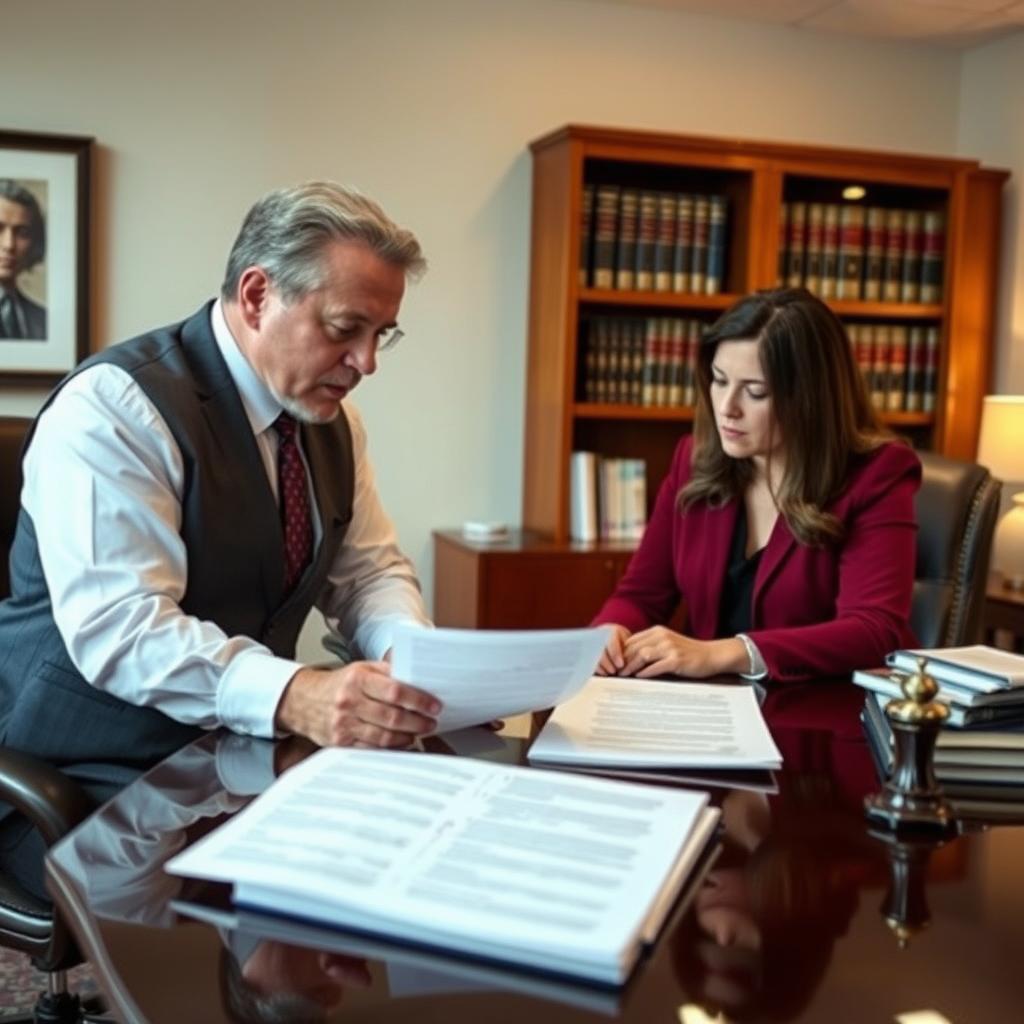
Trust and Estate Lawyer in Cortland, New York
When you are establishing an estate plan or navigating a trust matter in Cortland County, having an experienced legal guide can make the process clearer. Law Offices Of SRIS, P.C., founded in 1997, assists individuals and families across Central New York with trust creation, estate planning, and probate administration. Mr. Sris and his Of Counsel appear before the Cortland County Surrogate’s Court and can address matters ranging from simple revocable trusts to the administration of complex estates. For a consultation, call (888) 437-7747. Law Offices Of SRIS, P.C. – Advocacy Without Borders.
What Trust and Estate Planning Means in Cortland County, New York
Cortland County sits in Central New York, and its Surrogate’s Court in the City of Cortland handles probate, estate administration, and trust proceedings under New York’s Surrogate’s Court Procedure Act (SCPA) and the Estates, Powers and Trusts Law (EPTL). When a person passes away owning assets in their name alone, the court oversees the distribution of those assets—whether through a will admitted to probate or through intestate succession. Trust instruments, however, often allow assets to pass outside of probate, which can simplify the transfer process for beneficiaries.
In Cortland County, as throughout New York, a trust can serve multiple purposes: it may provide for a spouse or children, protect assets from future creditors, or address tax-planning goals. The legal framework requires that a trust be drafted with clear terms and that the trustee fulfill fiduciary duties. Our firm assists clients in evaluating whether a trust aligns with their overall estate plan and ensures that the documents are consistent with New York statutory requirements.
How Mr. Sris and His Of Counsel Handle Trust and Estate Cases
Trust and estate matters often involve sensitive family dynamics. Mr. Sris and his Of Counsel begin by understanding your objectives—whether you are creating a trust for young beneficiaries, planning for long-term care needs, or administering an estate after a loss. They then prepare the appropriate instruments, which may include revocable living trusts, irrevocable trusts, pour-over wills, and related documents. Throughout the process, they explain each step so you know what to expect.
When disputes arise—such as challenges to trust validity, allegations of breach of fiduciary duty, or disagreements among beneficiaries—Mr. Sris and his Of Counsel represent clients in contested proceedings before the Cortland County Surrogate’s Court. They present arguments regarding trust construction, fiduciary conduct, and distribution issues, always aiming to protect the interests our clients have identified. Because every family and estate is unique, the approach is tailored to the specific facts of your situation.
About Mr. Sris and the Firm’s Of Counsel Attorneys
Mr. Sris, Owner and Founder of Law Offices Of SRIS, P.C., is a former prosecutor admitted to practice in New York, Virginia, Maryland, the District of Columbia, and New Jersey. He testified before the Virginia House Courts of Justice Committee in support of 2019 HB 635 (chief patron Del. David Bulova), demonstrating a commitment to understanding the law from multiple angles. The firm’s Of Counsel attorneys bring experience in trust administration, estate litigation, and related planning matters. Mr. Sris and his Of Counsel bring extensive combined legal experience. Results may vary.
The firm maintains a presence in Central New York, serving clients from its Cortland location by appointment. Our principal Central New York office is in Buffalo, approximately 150 miles from Cortland, and no attorney is located in Cortland. Staff includes Spanish-speaking professionals to assist a broader community. When you work with Law Offices Of SRIS, P.C., you gain access to multi-state knowledge and focused attention on your trust or estate concern.
Frequently Asked Questions
What is meant by trust and estate planning?
Trust and estate planning is the process of creating legal documents that direct how your assets will be managed during your lifetime and distributed after your death. In New York, estate planning typically involves a will, power of attorney, health care proxy, and often one or more trusts. A trust is a fiduciary arrangement where a trustee holds assets for the benefit of designated beneficiaries. Proper planning can help minimize court involvement and provide clarity for your family. The specific instruments you need depend on your financial situation, family structure, and goals.
Do I need a lawyer to create a trust in Cortland County?
New York law does not require you to hire a lawyer to create a trust, but a trust that is not carefully drafted can lead to unintended tax consequences, conflict among beneficiaries, or even invalidity. Trusts must comply with statutory formalities and the trustee must adhere to fiduciary duties. An experienced attorney can help you select the right type of trust, draft clear provisions, and integrate the trust with your overall estate plan. For guidance tailored to your circumstances, contact Law Offices Of SRIS, P.C. at (888) 437-7747.
How does probate work in Cortland County?
Probate is the court process of validating a will and authorizing the executor to gather and distribute assets under court supervision. In Cortland County, probate is handled by the Surrogate’s Court. If a person dies with a will, the executor files the original will and a petition for probate. The court then issues letters testamentary, allowing the executor to act. If there is no will, an administrator is appointed, and assets pass according to New York intestacy laws. The timeline varies depending on the complexity of the estate and any objections filed by interested parties.
What type of trust is best for a small estate in New York?
The appropriate trust type depends on your specific goals; many clients with modest estates use a revocable living trust to avoid probate and maintain control during their lifetime. A revocable trust allows you to place assets like a home or bank accounts into the trust while you remain the trustee. Upon your death, a successor trustee distributes the assets directly to beneficiaries without court intervention. Other options—such as testamentary trusts or special needs trusts—may be suitable in certain circumstances. A discussion with an attorney can help identify the structure that aligns with your objectives while keeping the process straightforward.
How do I choose a trust and estate lawyer in Cortland, New York?
Look for an attorney with experience in New York trust and estate law, familiarity with the Cortland County Surrogate’s Court, and a practice that includes both planning and dispute resolution. You may also want a lawyer who is accessible and can explain complex matters in plain language. Law Offices Of SRIS, P.C. has served clients since 1997 and assists individuals throughout Central New York. To discuss your matter, call (888) 437-7747.
Can I update my trust document later?
If you have a revocable trust, you generally retain the right to amend or revoke it as long as you are competent and the trust instrument permits it. An amendment is typically done through a written amendment document, signed with the same formalities as the original trust. For an irrevocable trust, modification may be more limited and often requires either consent of all beneficiaries or court approval. Regularly reviewing your trust with counsel helps ensure it stays aligned with your current circumstances and New York legal developments.
Attorney advertising. Prior results do not guarantee a similar outcome. Case results depend on a variety of factors unique to each case. Results may vary.