
Postnup Lawyer Rappahannock County, VA
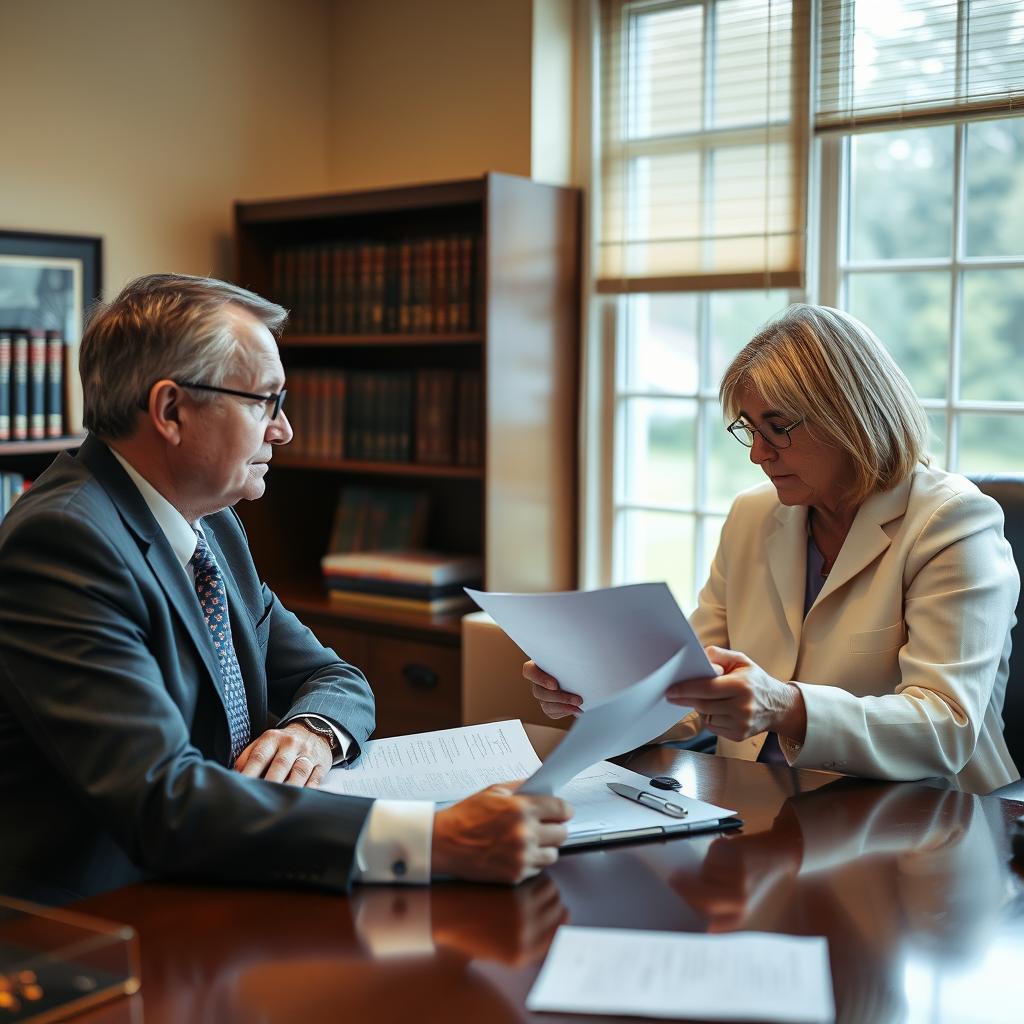
You and your spouse have built a life together—a home in Washington, a farm near Sperryville, or a business serving Flint Hill. Your marriage is strong, but you both see value in clarifying property rights, financial responsibilities, and what would happen if the unexpected occurs. A postnuptial agreement gives you that clarity without waiting for a crisis. At Law Offices Of SRIS, P.C., Mr. Sris and his Of Counsel guide Rappahannock County couples through postnuptial agreement matters with practical, forward-looking counsel. To discuss whether a postnuptial agreement fits your situation, call (888) 437-7747. Law Offices Of SRIS, P.C. – Advocacy Without Borders.
What a Postnuptial Agreement Means in Rappahannock County, Virginia
Rappahannock County sits at the eastern edge of the Blue Ridge, with its county seat in Washington and communities like Sperryville and Flint Hill. The county falls within Virginia’s Twentieth Judicial District, where the Rappahannock County Circuit Court at 250 Gay Street, Suite 1, Washington, VA 22747 hears divorce, equitable distribution, and related family law matters. Postnuptial agreements—while not a divorce proceeding—are closely tied to how property would be divided if the marriage ended, making the Circuit Court the relevant forum for enforcement or challenge.
Under Virginia law, a postnuptial agreement is a contract between spouses that defines their property rights and financial obligations during the marriage and upon its dissolution. Virginia’s Premarital Agreement Act (Va. Code § 20‑147 et seq.) governs these instruments. The same statutory framework applies to both prenuptial and postnuptial agreements. Unlike a prenuptial agreement, which is signed before marriage, a postnuptial agreement is executed after the wedding, often when a change in circumstances—such as receiving an inheritance, starting a business, or reconciling after a separation—prompts the couple to define their financial future. In Rappahannock County, couples who own real estate, operate a family farm, or manage professional practices may benefit from the certainty a postnuptial agreement provides.
How Mr. Sris and His Of Counsel Handle Postnuptial Agreement Matters
Mr. Sris and his Of Counsel approach postnuptial agreements as a collaborative planning tool, not a prelude to conflict. The process typically begins with a thorough discussion of each spouse’s financial picture—assets, debts, income, and long‑term goals. The legal team identifies which property is marital or separate, explains how Virginia’s equitable distribution factors (Va. Code § 20‑107.3) would apply in the absence of an agreement, and drafts terms that reflect the couple’s mutual intentions.
Because Virginia law requires full and fair disclosure of financial information, Mr. Sris and his Of Counsel guide clients through the disclosure process meticulously. Independent legal representation for each spouse is strongly advisable to ensure the agreement is voluntary and enforceable. The firm can represent one spouse, while the other spouse retains separate counsel—a structure that strengthens the agreement’s validity under Virginia law. Once drafted, the agreement is tailored to the specific needs of the Rappahannock County couple, whether their assets include a family farm, a small business, retirement accounts, or personal property.
Mr. Sris and his Of Counsel bring extensive combined legal experience to postnuptial agreement matters. Results may vary. The team remains focused on creating a durable, clear document that serves the family’s interests and reduces uncertainty.
About Mr. Sris and His Of Counsel Team
Mr. Sris, Owner and Founder of Law Offices Of SRIS, P.C., is a former prosecutor who founded the firm in 1997. Admitted in Virginia, Maryland, the District of Columbia, New Jersey, and New York, Mr. Sris concentrates his practice on family law matters including postnuptial agreements, divorce, and property division. He testified before the Virginia House Courts of Justice Committee in support of 2019 HB 635 (chief patron Del. David Bulova). His background in litigation informs a pragmatic approach to marital agreements—anticipating how a court would interpret a provision and crafting language that withstands scrutiny.
Mr. Sris works alongside Of Counsel attorneys who bring additional depth in family law, asset division, and contract drafting. Collectively, the legal team serves clients from the firm’s Fairfax location, including couples throughout Rappahannock County. By keeping caseloads deliberately manageable, Mr. Sris and his Of Counsel devote substantial attention to each agreement, ensuring it aligns with the couple’s objectives and Virginia’s statutory requirements.
Frequently Asked Questions
Are postnuptial agreements enforceable in Virginia?
Yes, postnuptial agreements are enforceable in Virginia if they meet the requirements of Va. Code § 20‑150 et seq. The agreement must be in writing, signed by both spouses, and based on a full and fair disclosure of each party’s financial circumstances. If one spouse challenges the agreement later, a court will examine whether it was executed voluntarily and whether its terms are unconscionable. Mr. Sris and his Of Counsel structure agreements to satisfy these enforceability standards, helping families avoid costly disputes. To discuss your situation, reach Law Offices Of SRIS, P.C. at (888) 437‑7747.
How does a postnuptial agreement differ from a separation agreement or divorce settlement?
A postnuptial agreement defines property rights during the marriage and if it ends, while a separation agreement or divorce settlement resolves matters after the marriage has already begun to dissolve. A postnuptial agreement is proactive; it can address how assets will be characterized, what happens to a business, and whether spousal support will be limited—without any divorce filing. In contrast, a separation agreement under Va. Code § 20‑109.1 is typically executed when spouses have already separated and are working toward an uncontested divorce. The postnuptial agreement provides a framework long before conflict arises.
Do both spouses need separate lawyers for a postnuptial agreement in Rappahannock County?
Virginia law strongly encourages each spouse to have independent legal counsel when entering a postnuptial agreement, though it is not an absolute requirement. If both spouses rely on a single attorney, a court later reviewing the agreement may scrutinize whether the unrepresented spouse fully understood its terms and whether the agreement was obtained through overreaching. Mr. Sris and his Of Counsel often represent one spouse while recommending that the other spouse retain separate counsel. This approach reinforces the agreement’s enforceability and protects both parties’ interests.
What property can a postnuptial agreement address in Virginia?
A postnuptial agreement can define how almost any type of property will be classified, managed, or divided—real estate, bank accounts, investments, retirement accounts, business interests, and personal property. Spouses can agree that certain assets remain separate property, even if acquired during the marriage. The agreement can also address spousal support (alimony) and the allocation of debts. However, child custody and child support cannot be predetermined in a postnuptial agreement; those issues remain subject to the court’s determination at the time of a separation. The Virginia Premarital Agreement Act gives broad latitude to tailor a financial arrangement to the couple’s wishes.
What if we already have a prenuptial agreement—can we modify it with a postnuptial agreement?
Yes, a postnuptial agreement can amend or completely replace an existing prenuptial agreement. So long as the new postnuptial agreement meets Virginia’s validity requirements, it supersedes any prior agreement covering the same topics. Many Rappahannock County couples use a postnuptial modification when their financial situation has materially changed—for example, after purchasing a farm, launching a vineyard, or receiving a substantial inheritance. Mr. Sris and his Of Counsel review both the earlier prenuptial agreement and the current circumstances to craft an updated postnuptial instrument that accurately reflects the family’s present reality.
Is a lawyer necessary to draft a postnuptial agreement in Rappahannock County?
While Virginia law does not require a lawyer to draft a postnuptial agreement, attempting to do so without legal guidance carries substantial risk. A poorly drafted agreement may be declared invalid, leaving the couple without the protections they intended. Virginia courts examine postnuptial agreements for procedural and substantive fairness; a self‑drafted document that fails to include proper disclosures or contains ambiguous terms can collapse when challenged. Mr. Sris and his Of Counsel ensure the agreement complies with the Premarital Agreement Act and is tailored to the Rappahannock County couple’s unique circumstances. For a consultation, reach Law Offices Of SRIS, P.C. at (888) 437‑7747.
How long does it take to finalize a postnuptial agreement?
The timeline varies depending on the complexity of the couple’s finances and whether both sides have counsel. A straightforward agreement with full cooperation between spouses and independent attorneys can often be drafted, reviewed, and signed within a few weeks. More complex situations—those involving business valuations, multiple real estate holdings, or retirement‑plan divisions—may require additional time to collect financial records and negotiate terms. Mr. Sris and his Of Counsel work efficiently while giving each matter the attention it deserves. To discuss your anticipated timeframe, call (888) 437‑7747.
Can a postnuptial agreement be challenged later in court?
Yes, a spouse can challenge a postnuptial agreement, but the agreement’s draftsmanship and the process by which it was executed will heavily influence whether the challenge succeeds. Common grounds for invalidation include lack of voluntary consent, failure to disclose assets, duress, or unconscionability. By adhering to best practices—full financial disclosure, independent representation, and careful documentation of the negotiation—Mr. Sris and his Of Counsel build agreements that are substantially more resistant to attack. Preemptive care in drafting is the most effective defense against a future challenge.
Does a postnuptial agreement affect estate rights in Virginia?
A postnuptial agreement can define a spouse’s rights to the other’s estate, including the elective share, waivers of inheritance, and distribution of property upon death. Under Va. Code § 20‑150, parties may contract with respect to “the disposition of property upon separation, marital dissolution, death, or the occurrence or nonoccurrence of any other event.” This can include waiving the statutory elective share ordinarily available to a surviving spouse. Careful coordination with an estate plan is essential, and Mr. Sris and his Of Counsel routinely address the interplay between postnuptial agreements and estate planning instruments.
Family Law Resources for Rappahannock County
For additional information, explore these sibling pages: Fairfax County Family Law Lawyer, Fairfax City Family Law Lawyer, Falls Church Family Law Lawyer, Prince William County Family Law Lawyer, Manassas Family Law Lawyer.
Virginia Law Resources
- Virginia Premarital Agreement Act (Va. Code § 20‑147 et seq.)
- Rappahannock County Circuit Court — official website
Attorney advertising. Prior results do not guarantee a similar outcome. Case results depend on a variety of factors unique to each case. Results may vary. Attorney responsible for this advertising: Mr. Sris.