
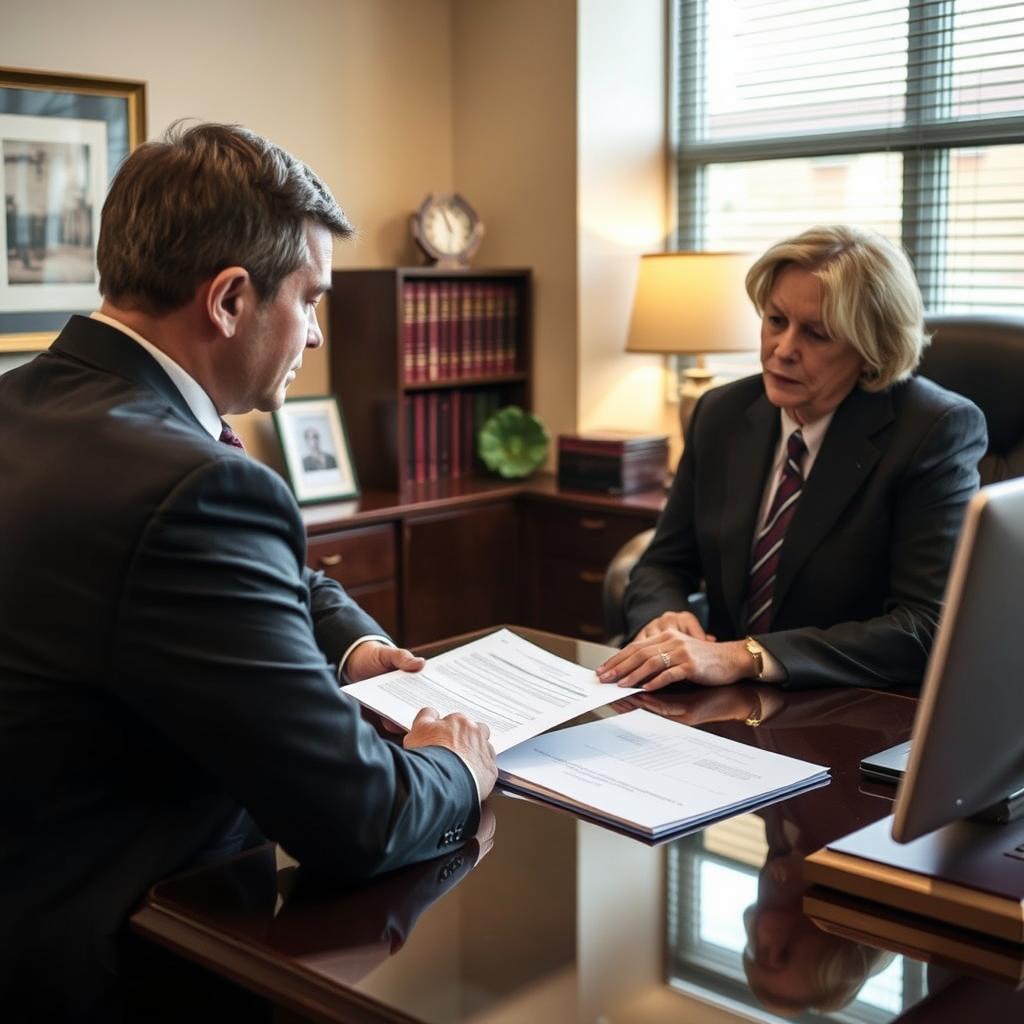
Alimony Enforcement Lawyer Rockingham County, VA
When a Virginia divorce court orders one spouse to pay alimony—legally termed spousal support—the obligation carries the force of law. If the paying spouse fails to comply, the recipient spouse may need to seek judicial enforcement through the Rockingham County Circuit Court. At Law Offices Of SRIS, P.C., we represent clients in these enforcement proceedings, working to ensure that court-ordered spousal support is paid as directed. Our Shenandoah/Woodstock location serves parties appearing at 53 Court Square in Harrisonburg, and our experienced team understands how to present a strong case for enforcement before the Twenty-sixth Judicial District. Whether you need to compel payment, challenge a modification request, or defend against an unfounded contempt allegation, Mr. Sris and his Of Counsel bring substantial experience to spousal support matters in the Shenandoah Valley region. To discuss your enforcement options with an attorney who practices in Rockingham County, call (888) 437-7747. Law Offices Of SRIS, P.C. – Advocacy Without Borders.
What Alimony Enforcement Means in Rockingham County, Virginia
Virginia law treats spousal support as a binding obligation. When a party fails to pay alimony as ordered, the recipient may file a motion with the Rockingham County Circuit Court to enforce the decree. The court that issued the original order—typically the Circuit Court at 53 Court Square, Harrisonburg, VA 22801—retains jurisdiction to address non‑compliance. Enforcement may take several forms: a show‑cause summons requiring the obligor to appear and explain why payment was not made, a judgment for arrearages plus interest, wage withholding, or, in cases of willful contempt, the possible imposition of fines or incarceration until payment is made.
The statutory foundation for spousal support in Virginia is Va. Code § 20‑107.1, which outlines the factors courts consider when setting or modifying alimony. While the statute does not prescribe a single enforcement mechanism, Virginia courts employ a range of remedies rooted in their equity powers. In Rockingham County, the Circuit Court handles all divorce and spousal support matters, and the same judge who entered the original decree may hear the enforcement motion. Our firm appears regularly in this court and serves families throughout the Harrisonburg, Bridgewater, Dayton, Elkton, Timberville, and Broadway communities. The process often begins with a detailed affidavit of arrears detailing each missed payment, followed by a hearing where evidence of non‑payment and the obligor’s ability to pay is presented.
How Mr. Sris and His Of Counsel Handle Alimony Enforcement Cases
Enforcing a spousal support order requires a methodical approach. Mr. Sris and his Of Counsel team first gather all relevant court orders, payment records, and correspondence to build a clear record of non‑compliance. They evaluate the obligor’s circumstances—employment, assets, and any change in income—to determine whether the failure to pay is willful or reflects a genuine inability. Armed with this information, the team prepares a motion for enforcement and, where appropriate, a petition for contempt. They file these documents with the Rockingham County Circuit Court, ensuring that procedural requirements are met and that the recipient’s right to payment is clearly asserted.
In court, Mr. Sris and his Of Counsel present the arrears calculation and the obligor’s payment history in a straightforward manner, emphasizing the obligor’s legal duty and the recipient’s ongoing need. If the obligor claims inability to pay, the team cross‑examines to test the credibility of that claim. Where a negotiated resolution is possible, they work toward a payment plan that reduces the arrearage and prevents future defaults. When good‑faith negotiation fails, they are prepared to litigate the enforcement motion fully and to seek the court’s sanctions, including a contempt finding and meaningful remedial orders. Throughout the process, they keep the recipient informed of case progress and explain each step so that the client can make informed decisions.
About Mr. Sris and His Of Counsel Team
Mr. Sris, Owner and Founder of Law Offices Of SRIS, P.C., is a former prosecutor who founded the firm in 1997. His background in trial work—together with his practice in family law across Virginia—gives him a practical understanding of courtroom advocacy and the enforcement mechanisms available to a party owed support. Mr. Sris testified before the Virginia House Courts of Justice Committee in support of 2019 HB 635 (chief patron Del. David Bulova). His day‑to‑day practice involves representing clients in spousal support enforcement and other family law matters throughout the Shenandoah Valley.
Mr. Sris is supported by a team of Of Counsel attorneys who also concentrate in family law and litigation. The collective experience of the team allows the firm to handle enforcement matters efficiently and to tailor strategy to the particular facts of each case. Whether you need to initiate an enforcement action or respond to one, you can expect thorough preparation and direct communication from the attorney assigned to your matter. All Of Counsel work under the firm’s guidance and share its commitment to diligent representation.
Frequently Asked Questions
What is alimony enforcement in Virginia?
Alimony enforcement is the legal process by which a recipient spouse asks a Virginia court to compel a former spouse to pay past‑due spousal support. In Rockingham County, enforcement typically proceeds in the Circuit Court that issued the original support order. The court may issue a show‑cause order, enter a judgment for the arrears, order wage withholding, or, if non‑payment is willful, hold the obligor in contempt and impose sanctions. A thorough record of missed payments—preferably with copies of checks, bank statements, and correspondence—is essential to a successful motion.
How does a Virginia court enforce an alimony order?
A Virginia court enforces alimony by issuing a show‑cause summons, hearing evidence, and applying remedies such as a judgment for arrears, income withholding, or contempt findings. The recipient files a motion detailing each missed payment and the total arrears. The obligor must then appear and explain the non‑payment. If the court finds that the obligor had the ability to pay and willfully refused, it may order jail time until the arrears are paid, though courts more commonly impose a payment schedule and monitor compliance. The Rockingham County Circuit Court uses its contempt power to compel payment while protecting the recipient’s right to support.
Can spousal support be modified while an enforcement action is pending?
Yes, an obligor may simultaneously request a modification of spousal support if they can show a material change in circumstances, but this does not automatically stop the enforcement proceeding. Virginia Code § 20‑109 allows modification based on changed circumstances such as involuntary job loss or a significant change in the recipient’s needs. In Rockingham County, the Circuit Court can hear both the enforcement motion and the modification request together, or it may rule first on enforcement to address the arrears before considering future payments. The obligor must still account for past-due amounts.
What if my ex‑spouse claims they cannot pay alimony?
If an obligor claims inability to pay, the court will examine their financial records—including tax returns, pay stubs, and bank statements—to determine whether the inability is genuine or a matter of voluntary underemployment. Virginia courts may “impute” income to an obligor who is capable of earning more but chooses not to. An experienced attorney can subpoena employment and asset information, cross‑examine the obligor, and present evidence to show that the obligor has the present ability to pay. The Rockingham County Circuit Court expects detailed proof of any claimed hardship.
Do I need a lawyer for alimony enforcement in Rockingham County?
While you are not legally required to have a lawyer, an attorney can help you navigate procedural rules, present the arrears calculation accurately, and respond to the obligor’s defenses. The Rockingham County Circuit Court expects motions to be properly drafted and evidence to be admissible. An attorney can subpoena records, prepare witness testimony, and argue for the most effective remedy. Mr. Sris and his Of Counsel have experience with enforcement motions before the Circuit Court at 53 Court Square and can help you pursue the relief to which you are entitled.
How do I begin the alimony enforcement process?
You begin by gathering all court orders, payment records, and any communication regarding non‑payment, then scheduling a consultation with a family law attorney to draft an enforcement motion. In Rockingham County, that motion is filed in the Circuit Court that issued the original spousal support order. Your attorney will calculate the exact arrears, prepare an affidavit, and request a hearing. Once the motion is filed, the court issues a summons to the obligor, and the matter proceeds to a hearing. For immediate questions about your situation, call Law Offices Of SRIS, P.C. at (888) 437-7747.
Attorney advertising. Prior results do not guarantee a similar outcome.
Results may vary.
Case results depend on a variety of factors unique to each case.