
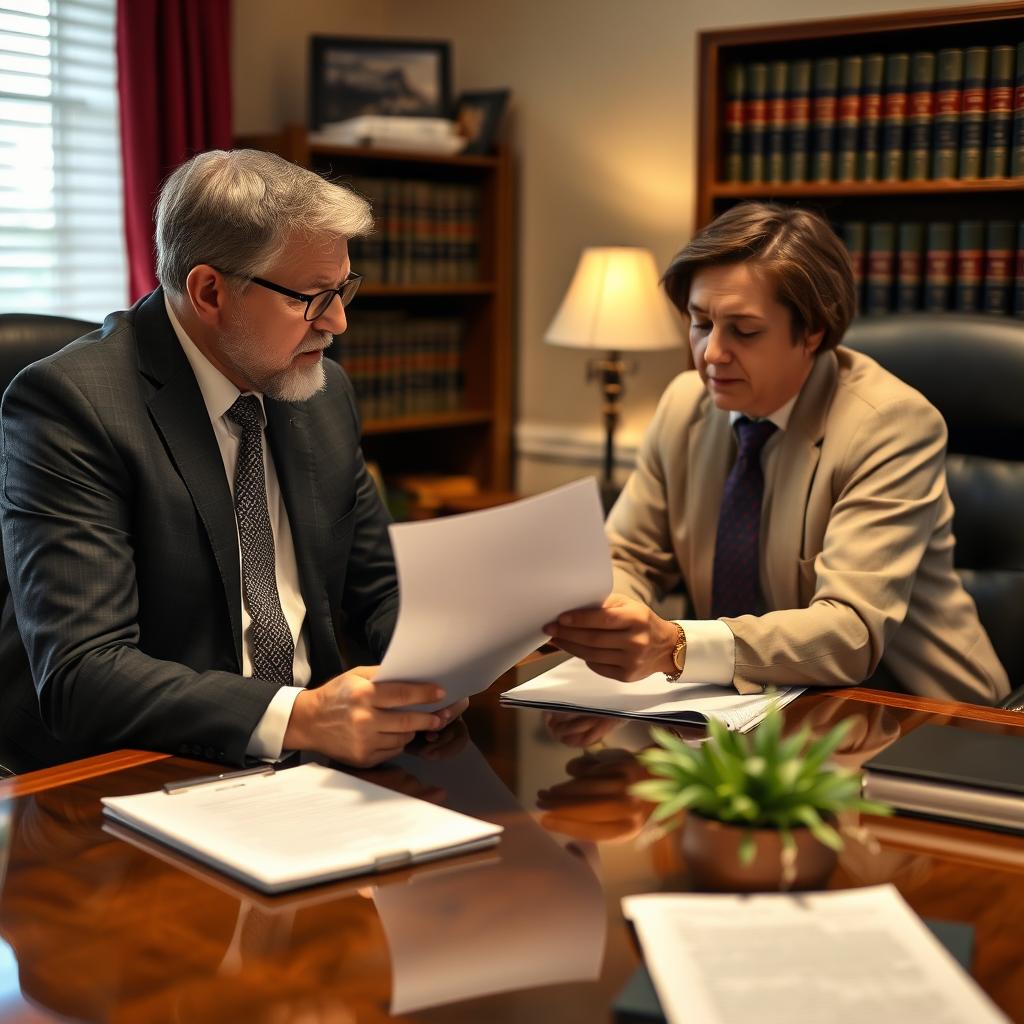
Alimony Enforcement Lawyer Fluvanna County, VA
When a Virginia divorce decree awards spousal support, the paying spouse must comply with the court’s order. If that obligation goes unpaid, the recipient has the right to seek enforcement through the Fluvanna County Circuit Court. Mr. Sris, Owner and Founder of Law Offices Of SRIS, P.C., and his Of Counsel team represent clients in alimony enforcement actions throughout Fluvanna County, including communities like Palmyra, Fork Union, and Lake Monticello. The firm’s attorneys are experienced in navigating the procedural requirements of Virginia’s equitable distribution framework and the statutory factors that courts weigh when determining whether to impose contempt, wage garnishment, or other remedies. A motion for enforcement can be the fastest way to recover overdue support and protect your financial stability. To discuss your matter with a lawyer who concentrates in family law, contact Law Offices Of SRIS, P.C. at (888) 437-7747. Law Offices Of SRIS, P.C. – Advocacy Without Borders.
What Alimony Enforcement Means in Fluvanna County
Alimony—legally referred to as spousal support in Virginia—is a court-ordered financial obligation that may continue for a defined period or indefinitely depending on the terms of the divorce decree. When an ex-spouse fails to pay as directed, the recipient must turn to the court that issued the order for enforcement. In Fluvanna County, that court is the Fluvanna County Circuit Court, located at 72 Main Street, Suite B, in Palmyra. The Circuit Court has jurisdiction over all divorce, equitable distribution, and spousal support matters for the county. The Fluvanna County Juvenile and Domestic Relations District Court may handle initial custody and child support orders, but enforcement of a spousal support obligation that arises from a divorce decree is a Circuit Court proceeding.
Virginia law provides several enforcement tools. Under Va. Code § 20-107.1, a party owed support can file a petition for a rule to show cause, asking the judge to hold the non-paying spouse in contempt. The court may also enter a judgment for arrears, order wage withholding, place a lien on real property, or suspend a driver’s license. The enforcement process requires careful documentation of missed payments and a clear showing that the payor had the ability to pay. Because local court practices and judges’ expectations vary, working with counsel familiar with Fluvanna County procedures can help you present your case effectively.
How Mr. Sris and His Of Counsel Handle Alimony Enforcement Cases
Mr. Sris and his Of Counsel approach each enforcement matter by first reviewing the original divorce decree and any subsequent modifications to confirm the exact terms of the spousal support obligation. They gather financial records, payment histories, and correspondence to establish a clear record of nonpayment. Before initiating formal court action, they often attempt to resolve the arrearage through negotiation, which can save both parties time and expense. If voluntary payment is not forthcoming, they prepare and file the necessary enforcement motions with the Fluvanna County Circuit Court.
At the hearing, the court will consider whether the payor’s failure to pay was willful. The firm’s attorneys present the evidence of nonpayment, the payor’s financial circumstances, and the impact on the recipient. They seek appropriate remedies ranging from a judgment for the full amount due, to wage garnishment, to contempt sanctions. Throughout the process, they remain focused on achieving a practical resolution that puts the support recipient back on stable financial footing. Every case is unique; the timeline and outcome depend on the specific facts and the court’s calendar. To request a consultation about your enforcement matter, reach Law Offices Of SRIS, P.C. at (888) 437-7747.
About Mr. Sris and His Of Counsel Team
Mr. Sris, Owner and Founder of Law Offices Of SRIS, P.C., has practiced since 1997 and is admitted in Virginia, Maryland, the District of Columbia, New Jersey, and New York. A former prosecutor, he brings trial experience and a thorough understanding of courtroom dynamics to family law matters. Mr. Sris testified before the Virginia House Courts of Justice Committee in support of 2019 HB 635 (chief patron Del. David Bulova). His Of Counsel team includes attorneys with extensive experience in family law, including enforcement of support orders, equitable distribution, and contempt proceedings. Together, they offer thorough, well-prepared representation to clients in Fluvanna County and throughout Virginia.
Results may vary.
Frequently Asked Questions
What is alimony enforcement in Virginia?
Alimony enforcement is the legal process of compelling a former spouse to pay court-ordered spousal support. In Virginia, the recipient of support who is owed arrears may file a motion for enforcement or a petition for a rule to show cause in the Circuit Court that issued the divorce decree. The court can order wage garnishment, enter a judgment for the unpaid amount, place a lien on property, or hold the non-paying party in contempt. The process is governed by Va. Code § 20‑107.1 and related statutes, which give the court a range of remedies to ensure compliance with support orders. For guidance on your specific situation, reach Law Offices Of SRIS, P.C. at (888) 437-7747.
How do I enforce a spousal support order in Fluvanna County?
To enforce a spousal support order in Fluvanna County, you must file a motion for enforcement or a petition for a rule to show cause in the Fluvanna County Circuit Court. You will need to provide evidence of the original order, a record of missed payments, and documentation showing the payor’s ability to pay. The court will schedule a hearing where you can present your case. A lawyer can help you prepare the motion, gather the necessary financial records, and argue for appropriate remedies such as a judgment for arrears, wage withholding, or contempt sanctions. To discuss the details of your matter, contact Law Offices Of SRIS, P.C. at (888) 437-7747.
Can I go to jail for not paying alimony in Virginia?
Yes, willful failure to pay spousal support can result in jail time for contempt of court in Virginia. The court must find that the payor had the ability to pay and deliberately chose not to comply with the order. Contempt is a serious remedy, and judges typically explore other enforcement options first, such as wage garnishment or payment plans. If the court determines that the payor is in contempt, it may impose a fine, a jail sentence, or both until the arrears are paid. Because the stakes are high, having a well-prepared presentation of the facts is essential for either party.
Do I need a lawyer for alimony enforcement?
While you are not required to have a lawyer, alimony enforcement involves complex court procedures, evidence presentation, and legal arguments. An experienced family law attorney can help you navigate the enforcement process, avoid procedural mistakes, and present a thorough case for recovery of arrears. If the payor contests the motion or raises defenses such as changed financial circumstances, having counsel can be especially valuable. For a consultation, reach Mr. Sris and his Of Counsel at (888) 437-7747.
What if my ex-spouse lives out of state?
If the paying spouse lives outside Virginia, you may still enforce the support order through registration of the foreign order in the payor’s home state under the Uniform Interstate Family Support Act (UIFSA). The original Virginia order can be filed with the appropriate court in the other state, which then has authority to enforce it. Alternatively, the payor can be pursued in Virginia if the court retains jurisdiction. Multi-state enforcement can raise jurisdictional and procedural challenges, so working with an attorney familiar with UIFSA procedures is often helpful.
How does the court handle contempt for nonpayment?
The court will schedule a hearing where the party seeking enforcement must prove the payor had knowledge of the order, the ability to pay, and willfully failed to pay. If the judge finds contempt, the court may order immediate payment of arrears, set a payment schedule, garnish wages, or impose a fine and jail sentence. In many cases, the court will give the payor an opportunity to purge the contempt by paying a certain amount by a deadline. Each case depends on the specific facts, and an attorney can help present the evidence effectively to the Fluvanna County Circuit Court.
Family Law Representation in Other Virginia Localities
If you need family law assistance beyond Fluvanna County, explore these resources:
Family law representation in Fairfax County ·
Fairfax City family law attorney ·
Falls Church family law matters ·
Prince William County family lawyer ·
Manassas family law guidance
Additional Resources
For authoritative information on Virginia spousal support law, visit the Virginia Legislative Information System: Va. Code § 20‑107.1 (spousal support factors). For general information about Virginia’s court system, see the Virginia Courts website.
Attorney advertising. Prior results do not guarantee a similar outcome. Results may vary.
Case results depend on a variety of factors unique to each case.