
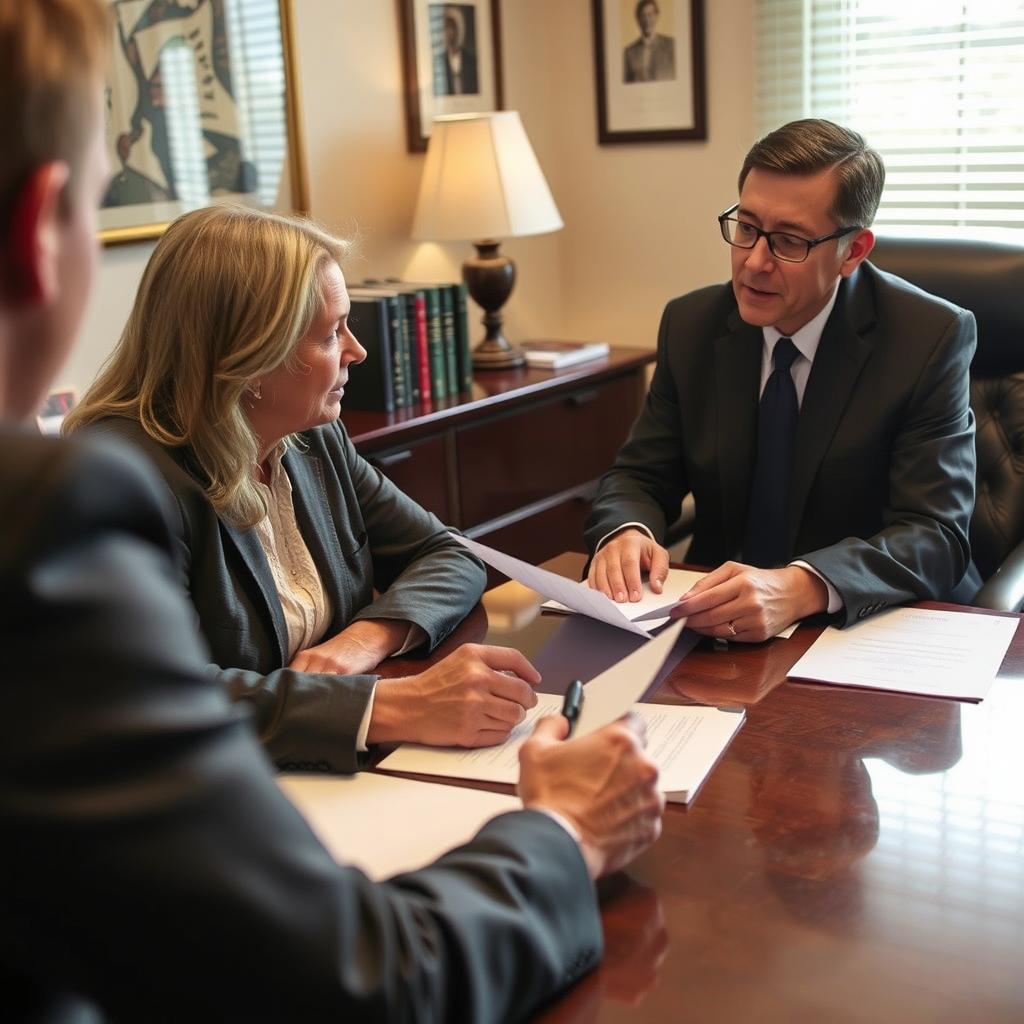
Alimony Enforcement Lawyer Rappahannock County, VA
When a former spouse fails to pay court‑ordered spousal support, the financial and emotional strain can be immediate. In Rappahannock County, Virginia, alimony enforcement proceedings are handled through the Rappahannock County Circuit Court and the Rappahannock County Juvenile and Domestic Relations District Court, depending on whether the support order is part of a divorce decree or a standalone support obligation. Mr. Sris and his Of Counsel at Law Offices Of SRIS, P.C. represent clients who need to collect unpaid alimony, defend against enforcement actions, and pursue remedies such as income withholding, contempt proceedings, and judgment enforcement. To discuss your specific situation, reach Law Offices Of SRIS, P.C. at (888) 437‑7747. Law Offices Of SRIS, P.C. – Advocacy Without Borders.
What Alimony Enforcement Means in Rappahannock County, Virginia
Alimony—referred to as spousal support under Virginia law—is a financial obligation one spouse is ordered to pay to the other after separation or divorce. When the paying spouse fails to comply with the order, the recipient may need to seek enforcement through the court. In Rappahannock County, enforcement actions can be initiated in the court that issued the original support order. If the support order is embedded in a final divorce decree, enforcement typically proceeds in the Rappahannock County Circuit Court, which exercises exclusive jurisdiction over divorce and equitable distribution matters. For standalone support orders or those not connected to a pending divorce, enforcement often begins in the Rappahannock County Juvenile and Domestic Relations District Court.
Virginia courts have several tools available to enforce spousal support obligations. A show cause summons may be issued requiring the non‑paying spouse to appear and explain why they should not be held in contempt. If the court finds the failure to pay was willful, it can order a variety of remedies including entry of a judgment for the arrearages, income withholding, suspension of a driver’s or professional license, and, in appropriate cases, incarceration for civil contempt until compliance is achieved. The specific procedure and available remedies depend on the language of the original support order and the facts of each case. An experienced family law attorney can evaluate the order, calculate arrearages accurately, and advise on the most effective enforcement strategy given the payer’s financial circumstances and history of compliance.
How Mr. Sris and His Of Counsel Handle Alimony Enforcement Cases
Mr. Sris and his Of Counsel begin by reviewing the spousal support order and all related court documents to confirm the amount and duration of the obligation, any modifications or adjustments that may have occurred, and the total arrearage. They then determine the appropriate enforcement mechanism—whether a show cause petition for contempt, a petition for a rule to show cause, garnishment proceedings, or a combination of approaches. In many instances, a demand letter to the non‑paying spouse or their counsel, accompanied by a clear statement of the arrearage and the impending court action, can resolve the matter without a hearing.
If informal efforts are unsuccessful, Mr. Sris and his Of Counsel prepare and file the necessary pleadings in the appropriate Rappahannock County court. They handle all aspects of the enforcement proceeding: drafting and serving the show cause summons, presenting evidence of the non‑payment and willfulness, examining witnesses, and advocating for the client’s position at the hearing. While many enforcement actions result in a resolution before a final hearing—through a payment plan or lump‑sum settlement—Mr. Sris and his Of Counsel are prepared to present the case in court when necessary. Throughout the process, they keep the client informed and work to secure the support owed as efficiently as the court’s calendar and the parties’ cooperation permit.
About Mr. Sris and His Of Counsel Team
Mr. Sris, Owner and Founder of Law Offices Of SRIS, P.C., has practiced law since 1997. A former prosecutor, he is admitted in Virginia, Maryland, the District of Columbia, New Jersey, and New York. His understanding of courtroom procedure and evidentiary standards informs his approach to family law enforcement matters. Mr. Sris testified before the Virginia House Courts of Justice Committee in support of 2019 HB 635 (chief patron Del. David Bulova). His Of Counsel team includes experienced family law practitioners who collectively bring extensive combined legal experience. Every client matter is handled with attention to the procedural requirements of the applicable court and the financial circumstances of both parties.
Law Offices Of SRIS, P.C. maintains a Fairfax Location at 4008 Williamsburg Court, Fairfax, VA 22032. From that location, the firm serves clients throughout Rappahannock County, including Washington, Sperryville, and Flint Hill. The firm’s attorneys appear regularly in the Rappahannock County Circuit Court and the Juvenile and Domestic Relations District Court. Consultations are by appointment; toll‑free assistance is available 24 hours a day at (888) 437‑7747.
Frequently Asked Questions
What is alimony enforcement in Virginia?
Alimony enforcement is the legal process of compelling a former spouse to pay spousal support that is past due under a court order. In Virginia, a spousal support order is a binding obligation. When the paying party fails to comply, the recipient can ask the court to enforce the order through contempt proceedings, wage garnishment, income withholding, or other remedies. The specific procedure depends on whether the support order is part of a divorce decree or a standalone support order, and which court retains jurisdiction.
How does a Virginia court enforce a spousal support order in Rappahannock County?
The court typically begins by issuing a show cause summons directing the non‑paying spouse to appear and explain why they should not be held in contempt. If the court finds a willful violation, it can enter a judgment for the arrearage, order income withholding, suspend a driver’s or professional license, and in serious cases impose a jail sentence for civil contempt until compliance occurs. The Rappahannock County Circuit Court handles enforcement of support orders embedded in divorce decrees; standalone orders are often enforced in the Juvenile and Domestic Relations District Court.
What should I do if my former spouse is not paying the court‑ordered alimony?
Contact a family law attorney promptly to review your order and discuss enforcement options. Keep a detailed record of payments received and any communications about the missed payments. The attorney will assess the arrearage, verify the order’s terms, and recommend a strategy—often beginning with a demand letter and, if necessary, filing a petition to show cause. The longer you wait, the more difficult it can be to collect back support, so prompt action is advisable.
Can a non‑paying spouse be jailed for not paying alimony in Virginia?
Yes, a court can impose a jail sentence for civil contempt if it finds the failure to pay was willful and the paying spouse has the ability to pay. Jail is a last resort; Virginia courts generally prefer to use income withholding, property liens, or license suspensions before turning to incarceration. The purpose of civil contempt is to compel compliance, so the contemnor can typically be released upon paying a specified amount toward the arrearage.
Do I need a lawyer to enforce an alimony order in Rappahannock County?
While you are not legally required to have an attorney, enforcing a spousal support order involves specific court procedures, evidentiary requirements, and legal arguments that can be difficult to handle alone. A lawyer can calculate arrearages precisely, draft the proper pleadings, and present evidence of the non‑payment and willfulness. In addition, the paying spouse may raise defenses or seek to modify the support order, making competent legal representation important to protect your rights. For guidance on your particular situation, reach Law Offices Of SRIS, P.C. at (888) 437‑7747.
How long does an alimony enforcement case take in Rappahannock County?
The timeline depends on the court’s calendar, the complexity of the case, and the willingness of the parties to reach an agreement. Some matters are resolved within weeks through negotiation; others may take several months if a contested hearing is necessary. Virginia courts generally prioritize enforcement matters, but only so fast as their docket permits. Your attorney can give you a better estimate once the specific facts are known.
More resources from Law Offices Of SRIS, P.C.: Family Law Lawyer Fairfax County | Family Law Lawyer Fairfax (City) | Family Law Lawyer Falls Church | Family Law Lawyer Prince William County | Family Law Lawyer Manassas
For additional legal reference, please consult these Virginia primary sources: Virginia Code Title 20 (Domestic Relations) and Rappahannock County Courts.
Attorney advertising. Prior results do not guarantee a similar outcome. Results may vary. Engaging Law Offices Of SRIS, P.C. Requires a signed engagement agreement. Consultations are by appointment. ? 1997‑2026 Law Offices Of SRIS, P.C.
Case results depend on a variety of factors unique to each case.