
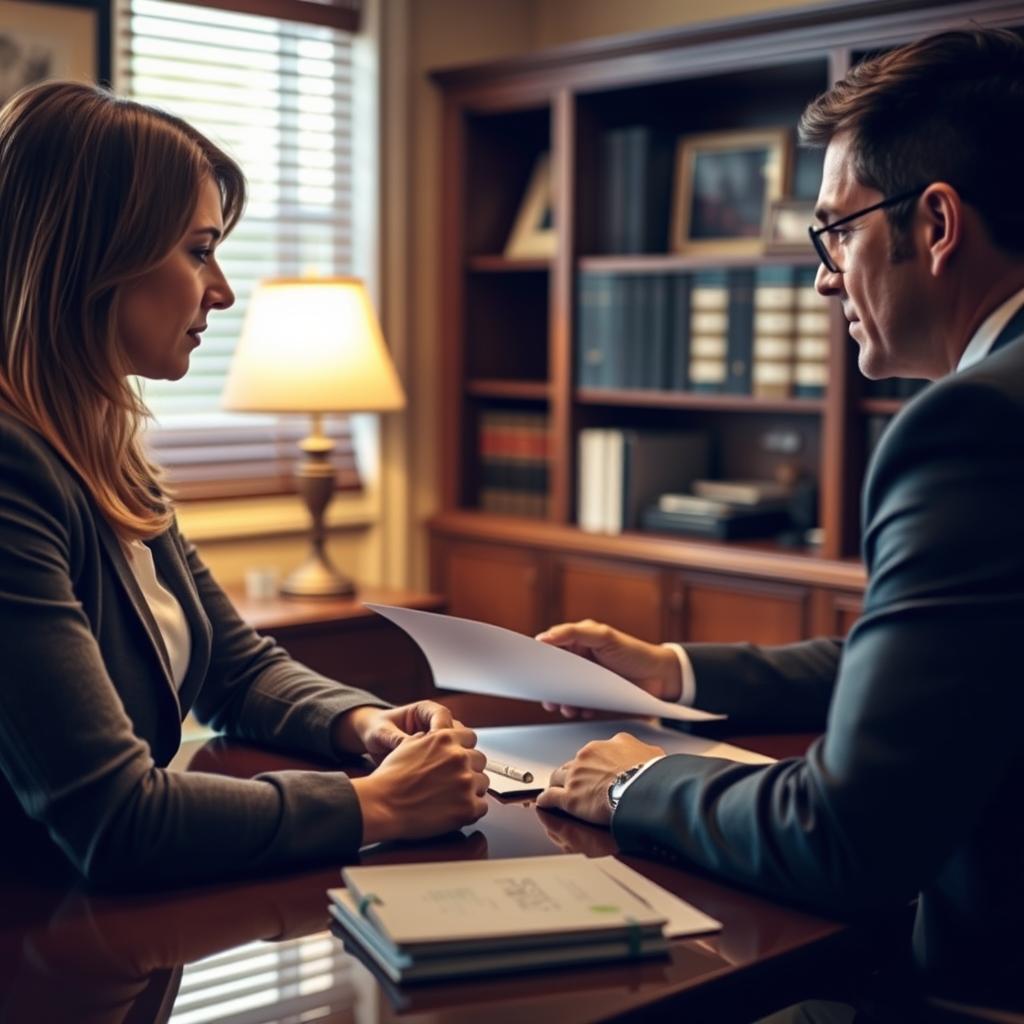
Alimony Modification Lawyer Louisa County, VA
When the ink dries on your divorce decree, the spousal support order reflects the circumstances of that moment in your life. Years pass, and those circumstances often change — a job loss, a significant shift in income, a remarriage, or a health crisis can make the original alimony arrangement no longer workable. If you are the payor or the recipient and you believe a material change in circumstances justifies a different support amount, you need to understand how alimony modification works in Louisa County, Virginia. The process requires filing a motion with the Louisa County Circuit Court, and the judge will evaluate whether the change is sufficient under Virginia law. Mr. Sris, Owner and Founder of Law Offices Of SRIS, P.C., and his Of Counsel team represent clients in modification proceedings throughout Louisa, Mineral, and Zion Crossroads. For a consultation, call (888) 437-7747. Law Offices Of SRIS, P.C. – Advocacy Without Borders.
What Is Alimony Modification, and How Does It Work in Virginia?
Alimony — referred to as spousal support in Virginia — is not always a permanent fixture. Under Virginia Code § 20-109, the court that ordered spousal support may modify or terminate the obligation when a material change in circumstances has occurred since the original order. The modification inquiry focuses on the needs of the recipient and the ability to pay of the obligor, examined through the lens of the factors listed in Va. Code § 20-107.1. A change that is temporary or anticipated when the original award was set generally will not support a modification. For example, a voluntary reduction in income without a justifiable reason is unlikely to persuade the court.
In Louisa County, modification petitions are litigated in the Circuit Court at 100 West Main Street, Louisa, VA 23093. Because Louisa County is part of Virginia’s Sixteenth Judicial District, local procedural expectations can differ from those in the more urbanized circuits to the north. Mr. Sris and his Of Counsel are familiar with local court customs and will present your motion in a manner that aligns with how the Louisa County bench evaluates modification requests. The timeline for resolution depends on the complexity of the issues, whether the opposing party contests the motion, and the court’s current docket, but an attorney can give you a realistic picture after reviewing your case.
Frequently Asked Questions
What constitutes a material change in circumstances for alimony modification?
A material change in circumstances is a significant, unanticipated event that affects your financial situation, such as involuntary job loss, serious illness, a substantial increase in the other spouse’s income, or retirement. Virginia courts will look at whether the change was permanent or likely to persist and whether it alters the needs-versus-ability-to-pay calculus. Minor fluctuations or voluntary changes typically are not enough. Because each case is fact-specific, it is important to review your situation with an attorney who practices in the local courts.
How do I file an alimony modification petition in Louisa County?
You start by filing a motion to modify or terminate spousal support with the Louisa County Circuit Court, accompanied by a detailed statement of the changed circumstances. Proper notice must be given to the other party. The court then schedules a hearing. The judge reviews evidence of both parties’ current income, expenses, assets, and any health or employment changes. Mediation may be suggested to narrow issues before a hearing, though it is not mandatory in Virginia. The filing process is technical, and an attorney can help ensure all procedural requirements are met.
Does the original divorce decree need to have reserved the right to modify alimony?
Not necessarily. Virginia Code § 20-109 allows modification of spousal support even if the original decree did not expressly reserve that right, unless the decree specifically states that spousal support is non-modifiable. Some settlements include a stipulation that support is fixed and cannot be changed. If your order contains such language, modification may be unavailable. An experienced attorney can review the decree and advise you on whether your support obligation or entitlement is modifiable under the existing terms.
Can alimony be increased, or only decreased?
Either party — payor or recipient — may seek a modification. The standard is the same: a material change in circumstances that affects need or ability to pay. If the recipient has lost a job or developed a medical condition requiring significant expense, an increase may be appropriate. Conversely, if the payor’s income has dropped through no fault of their own or the recipient’s financial situation has improved dramatically, a decrease or termination may be granted. The key is that the change was not foreseen at the time of the original order.
What if the paying spouse retires? Can alimony be modified then?
Retirement can be a material change in circumstances supporting a modification, but the court will examine the totality of the situation, including the retiree’s age, health, asset base, and whether retirement was reasonable. Virginia courts consider whether the retirement was voluntary and whether the paying spouse continues to have resources from retirement accounts, Social Security, or other sources. Simply reaching retirement age does not automatically end the obligation, but it often leads to a reevaluation of support. An attorney can explain how Louisa County judges tend to weigh these factors.
How long does an alimony modification case take in Louisa County?
The duration of an alimony modification case in Louisa County depends on the complexity of the financial issues, the level of cooperation between the parties, and the court’s scheduling calendar. Uncontested motions that both parties agree to can move through the court more quickly than heavily contested hearings requiring discovery, financial expert testimony, or multiple appearances. The notice period and the court’s hearing availability influence timing, and your attorney can provide an estimate after evaluating the specifics of your situation.
Do I need a lawyer to modify alimony in Virginia?
While you are not legally required to have a lawyer, representing yourself in an alimony modification matter can be challenging because of the procedural rules and the need to gather and present financial evidence persuasively. The Virginia Rules of Evidence apply, and the judge will not assist you in arguing your case. An attorney familiar with Louisa County practice can handle the paperwork, meet deadlines, subpoena records when necessary, and present a well-organized argument for why a modification is justified under the law.
What evidence do I need to support an alimony modification request?
You will typically need documentation of your current income, expenses, and financial obligations — pay stubs, tax returns, bank statements, and proof of any job loss or medical condition. If you are alleging the other party’s income has increased, you may need discovery to obtain their financial records. Evidence of changed living circumstances, such as a new spouse’s income (for the recipient), or substantial medical bills, can be relevant. An attorney can help you identify the specific documents the Louisa County court expects to see in a modification hearing.
Can temporary alimony be modified while a case is pending?
Temporary spousal support awarded during the pendency of a divorce or modification case — often called pendente lite support — may be adjusted by the court at a subsequent hearing, but the standard for modifying a pendente lite order can differ from that for a permanent order. Because temporary support is designed to maintain the status quo, the court generally looks at the recipients’ immediate needs and the payor’s current ability to pay. Once a final order is entered, the material change standard applies. The specifics of your case will determine whether a temporary order can be revisited.
What if my former spouse has moved out of Virginia?
Virginia generally retains jurisdiction to modify a spousal support order that was originally entered by a Virginia court, even if the other party has moved to another state. Service of process may be completed under the long-arm statute if the person has maintained sufficient contacts with Virginia, or through interstate procedures. If the other party avoids service, alternative methods may be available with court approval. Because cross-border modification can raise complex jurisdictional issues, you should discuss your options with an attorney who handles interstate family law matters.
Will the court consider the potential for alimony to end altogether?
Virginia courts can terminate spousal support if the recipient no longer has a need or if the obligor can no longer pay and no reasonable likelihood of future ability exists. Common grounds for termination include the recipient’s remarriage (which, under Va. Code § 20-109, terminates support unless the decree provides otherwise) or cohabitation in a marriage-like relationship for more than one year. Additionally, if evidence shows the recipient has become self-supporting through employment, education, or other means, the court may end the obligation. Each case turns on its specific facts.
About Mr. Sris and His Of Counsel Team
Mr. Sris, Owner and Founder of Law Offices Of SRIS, P.C., is a former prosecutor who has practiced family law since 1997. He testified before the Virginia House Courts of Justice Committee in support of 2019 HB 635 (chief patron Del. David Bulova) and is admitted in Virginia, Maryland, the District of Columbia, New Jersey, and New York. Mr. Sris and his Of Counsel bring extensive combined legal experience. Results may vary. Together, they handle alimony modification matters in Louisa County and throughout Central Virginia, from the firm’s Richmond Location. If you need to revisit a spousal support order, contact Law Offices Of SRIS, P.C. at (888) 437-7747 to request a consultation.
Fairfax County Family Law Attorney •
Falls Church Family Law Lawyer •
Prince William County Family Law Representation •
Manassas Family Lawyer
Virginia Code Title 20 (domestic relations) •
Louisa County Circuit Court •
Virginia Judicial System
Attorney advertising. Prior results do not guarantee a similar outcome. Results may vary.
Case results depend on a variety of factors unique to each case.