
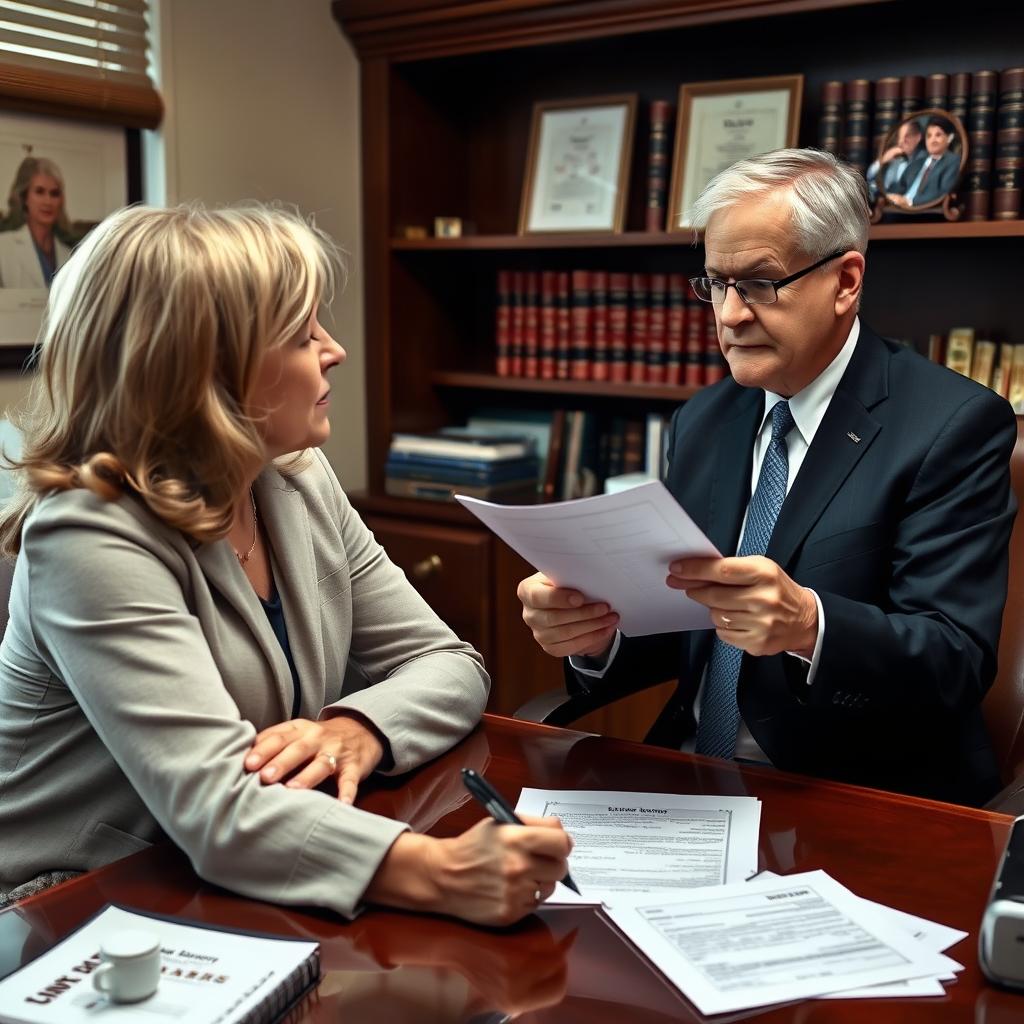
Spousal Support Lawyer James City County, VA
In James City County, Virginia, spousal support—often called alimony—is governed by Virginia Code § 20‑107.1 and decided by the James City County Circuit Court. The court weighs 13 statutory factors to determine whether support is appropriate, for how long, and in what amount. Those factors include each spouse’s earning capacity, the standard of living established during the marriage, non‑monetary contributions such as homemaking, and the duration of the union. Mr. Sris, a former prosecutor and Owner and Founder of Law Offices Of SRIS, P.C., together with his Of Counsel team, represents individuals in spousal support matters throughout the county, including Williamsburg, Norge, Toano, and Lightfoot. Our Richmond location serves clients at the James City County courts, and our attorneys are admitted in Virginia, Maryland, the District of Columbia, New Jersey, and New York. For a consultation about your spousal support case, reach us at (888) 437‑7747. Law Offices Of SRIS, P.C. – Advocacy Without Borders.
Spousal Support in James City County, Virginia
In James City County, family law matters that include spousal support are heard primarily in the James City County Circuit Court, located at 5201 Monticello Avenue in Williamsburg. This court has exclusive jurisdiction over divorce proceedings and, within that context, decides spousal support (alimony). For cases involving only support and custody—filed outside a divorce action—the James City County Juvenile and Domestic Relations District Court may also issue support orders. The county is part of the Ninth Judicial District and serves communities such as Williamsburg, Norge, Toano, and Lightfoot, with convenient access from I‑64 and Route 199. The area’s mix of historic neighborhoods and growing suburbs means families come from a wide range of economic backgrounds, and a spousal support case may involve a stay‑at‑home parent, a business‑owner spouse, or retirement assets that require careful financial analysis.
Virginia is an equitable distribution state, which means that property division and spousal support are legally distinct issues. Even if a spouse receives a share of the marital property, the court may still award support after applying the 13 factors listed in Virginia Code § 20‑107.1. The law also permits pendente lite support—temporary payments while a divorce is pending—so that a financially dependent spouse can maintain a standard of living during the proceedings. Ultimately, the court has broad discretion to tailor a support award to the circumstances of the marriage. Because the outcome depends heavily on how the statutory factors are demonstrated, having an attorney who can marshal the relevant financial records, testimony, and legal arguments is critical.
How Mr. Sris and His Of Counsel Handle Spousal Support Cases
When you engage Law Offices Of SRIS, P.C. for a spousal support matter, the process starts with a thorough review of your financial situation and the specifics of your marriage. Mr. Sris and his Of Counsel team focus on understanding your objectives—whether you are seeking support, contesting an award, or requesting a modification—and then build a strategy framed by Virginia Code § 20‑107.1. They gather documents such as tax returns, pay stubs, retirement account statements, and evidence of contributions made to the marriage, and they evaluate how each of the 13 statutory factors applies to your case. The attorneys work to create a persuasive factual record, because the court’s decision on spousal support often turns on the quality of the evidence presented rather than on general arguments.
If both parties can reach an agreement through negotiation or mediation, the attorneys draft a written separation agreement that includes spousal support terms, which can then be incorporated into a final divorce decree. When out‑of‑court resolution is not possible, Mr. Sris and his Of Counsel are prepared to litigate the issue before the James City County Circuit Court. They present evidence, examine witnesses, and argue the statutory factors to seek an appropriate support order. After a final decree, the firm also handles spousal support modifications and enforcement actions if a change in circumstances occurs or a former spouse fails to comply with an existing order. Throughout the process, clients are kept informed and the focus remains on achieving a fair outcome.
About Mr. Sris and His Of Counsel Team
Mr. Sris is the Owner and Founder of Law Offices Of SRIS, P.C., which he established in 1997. A former prosecutor, he now devotes a meaningful portion of his practice to family law, including spousal support, divorce, and equitable distribution matters. Mr. Sris testified before the Virginia House Courts of Justice Committee in support of 2019 HB 635 (chief patron Del. David Bulova), a bill that revised Virginia’s equitable distribution statute concerning pension and retirement accounts. He is admitted to practice in Virginia, Maryland, the District of Columbia, New Jersey, and New York, and he is supported by a team of Of Counsel attorneys who are experienced in family law litigation.
The Of Counsel team includes attorneys with backgrounds as former prosecutors and law‑enforcement officers, bringing a practical understanding of courtroom procedure and evidence rules to every case. Collectively, the team represents clients in James City County and across Virginia. The firm’s Richmond location serves as the primary contact point for spousal support matters in the Williamsburg area, and consultations are available by appointment. Whether your situation calls for negotiation, litigation, or a post‑judgment modification, Mr. Sris and his Of Counsel work to provide thoughtful representation grounded in Virginia law.
Frequently Asked Questions
What factors does a Virginia court consider when deciding spousal support?
Virginia courts look to 13 statutory factors under Virginia Code § 20‑107.1 when determining whether to award spousal support and in what amount. These factors include the earning capacities of each spouse, the standard of living established during the marriage, the duration of the marriage, the contributions each party made to the well‑being of the family, and the grounds for divorce. The court weighs all of the factors together; no single factor is controlling. The goal is to arrive at a result that is fair under the specific circumstances of the case. Because the analysis is highly fact‑driven, having an experienced attorney present the relevant evidence is essential.
Can a spousal support order be modified after a divorce in James City County?
Yes, a spousal support order may be modified if the party seeking the change can show a material change in circumstances since the original order was entered. A material change could include a significant increase or decrease in either spouse’s income, involuntary job loss, a serious health condition, or retirement. The party requesting the modification must file a motion with the court that issued the original order—typically the James City County Circuit Court. The judge will then evaluate the new circumstances against the same statutory factors and decide whether an adjustment is warranted. Because modification proceedings can be contested, it is wise to consult an attorney who can help you assess the strength of your case and present the required evidence.
How is spousal support different from property division in Virginia?
Spousal support is a payment from one former spouse to the other for financial support, while property division refers to the distribution of marital assets and debts. In Virginia, property division is handled under the equitable distribution statute, Va. Code § 20‑107.3, and is generally a one‑time event at divorce. Spousal support, on the other hand, can be periodic, lump‑sum, or rehabilitative, and may continue for a defined period or indefinitely depending on the circumstances. Because the two issues are legally separate, receiving a share of the marital property does not automatically disqualify a spouse from receiving spousal support; the court considers the property award as one of the many factors in determining support.
Do I need a lawyer for a spousal support case in James City County?
You are not legally required to hire a lawyer, but having an attorney can help you navigate the statutory factors and present your financial situation effectively. Spousal support cases often involve detailed financial records, discovery requests, and courtroom procedures that can be difficult to manage alone. An attorney can identify the strong $1s under Virginia law, ensure that the relevant evidence is properly admitted, and cross‑examine witnesses. For a contested hearing before the James City County Circuit Court, the absence of legal representation may put a party at a disadvantage, particularly if the other side is represented. A consultation with Mr. Sris or his Of Counsel can help you understand the likely issues before you decide how to proceed.
What can I expect during a consultation with a spousal support lawyer?
During an initial consultation, the attorney will ask about your marriage, your financial circumstances, your goals regarding support, and any existing court orders. You should bring relevant documents such as recent pay stubs, tax returns, and a list of monthly expenses. The attorney will then explain how Virginia’s spousal support laws apply to your situation and outline possible strategies. The consultation is also an opportunity for you to ask questions about the process, the likely timeline, and the attorney’s experience with family law matters in James City County. Confidentiality applies, so you can speak openly about the details of your case.
Additional locations we serve: York County family law guidance | Williamsburg divorce and support counsel | Fairfax County spousal support representation
Virginia legal resources: Virginia Code Title 20 – Domestic Relations | Virginia’s Judicial System | Va. Code § 20‑107.1 (Spousal Support)
Attorney advertising. Prior results do not guarantee a similar outcome. Results may vary.
Case results depend on a variety of factors unique to each case.