
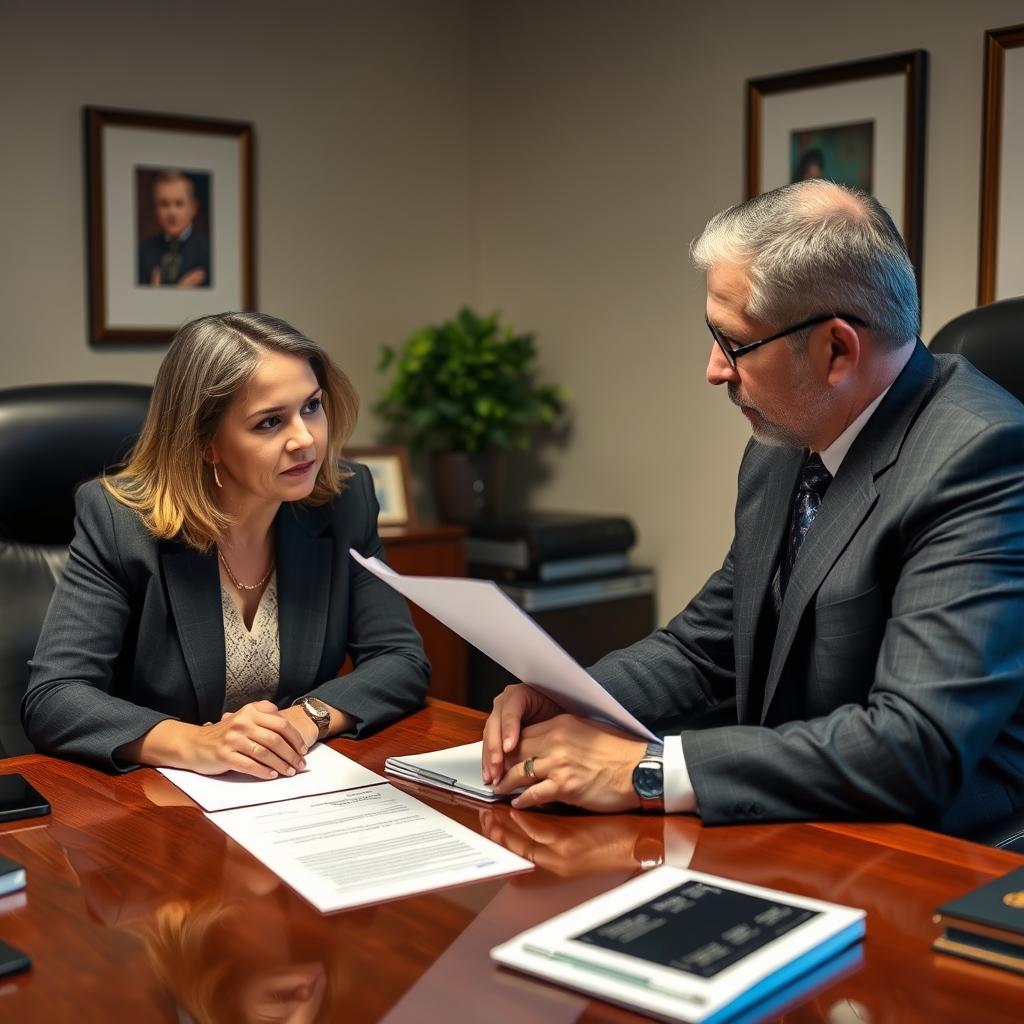
Physical Custody Lawyer Dinwiddie County, VA
Physical custody determines where a child lives and which parent provides day-to-day care. In Dinwiddie County, Virginia, these decisions are guided by the trusted‑interests factors set out in Va. Code § 20‑124.3, and they play out in the Dinwiddie County Juvenile and Domestic Relations District Court when custody is a standalone issue, or in the Dinwiddie County Circuit Court when custody is part of a divorce. Mr. Sris, Owner and Founder of Law Offices Of SRIS, P.C., and his Of Counsel team bring extensive experience to physical‑custody disputes, helping parents work toward arrangements that protect their children’s well‑being. The firm’s Richmond location serves families throughout Dinwiddie County, including the communities of Dinwiddie and McKenney. Whether you are seeking sole physical custody, joint physical custody, or a modification of an existing order, a thorough case evaluation can help clarify where you stand under Virginia law. For a consultation, reach Law Offices Of SRIS, P.C. at (888) 437‑7747. Law Offices Of SRIS, P.C. — Advocacy Without Borders.
What Physical Custody Means in Dinwiddie County
Physical custody refers to the parent with whom a child primarily resides. Virginia law recognizes several arrangements: sole physical custody, where the child lives with one parent while the other may have parenting time; joint physical custody, where the child’s time is divided between both parents; and split custody, where siblings are separated. The Dinwiddie County Juvenile and Domestic Relations District Court addresses custody when the parents are not married or when custody is the sole contested issue. If custody arises within a divorce, the Dinwiddie County Circuit Court at the Dinwiddie Courthouse handles the matter alongside property division and spousal support. In both courts, the judge applies the ten statutory factors of Va. Code § 20‑124.3, including the child’s age, each parent’s relationship with the child, the role each parent has played in upbringing, and any history of family abuse. The court’s focus is the child’s best interests, not a parental preference.
Dinwiddie County’s proximity to Petersburg and the I‑85 corridor means families often commute across county lines, which can affect the practicality of a custody schedule. The court evaluates factors such as each parent’s willingness to support the child’s relationship with the other parent and the child’s ties to school, extended family, and community. Because physical custody orders shape a child’s daily life, the judge may appoint a guardian ad litem to represent the child’s interests in contested cases. Counsel appearing in Dinwiddie County custody matters should be familiar with local procedure and the expectations of the Eleventh Judicial District bench. Mr. Sris and his Of Counsel team regularly appear in Dinwiddie County courts and understand how these factors are weighed in practice.
How Mr. Sris and His Of Counsel Handle Physical Custody Cases
Every physical‑custody dispute begins with a careful review of the facts. Mr. Sris and his Of Counsel team meet with the client to understand the family’s history, the child’s needs, and the other parent’s position. They gather evidence that speaks to the statutory best‑interests factors: school records, medical documentation, communication logs, and witness statements. In cases where the other parent raises concerns about fitness or parenting capacity, the team works to develop a response grounded in the specific statutory criteria the court will consider. For parents seeking a modification of an existing custody order, the team examines whether there has been a material change in circumstances since the last order, as required by Virginia law.
Once the case is prepared, Mr. Sris and his Of Counsel represent the client at all court appearances in Dinwiddie County, whether before the Juvenile and Domestic Relations District Court or the Circuit Court. They present testimony, examine witnesses, and argue the statutory factors to the judge. Throughout the proceeding, the team prioritizes the child’s stability and advocates for a custody arrangement that aligns with the client’s goals while staying within the framework of Virginia law. Settlement discussions and mediation are explored where appropriate, but the firm is prepared to try the case when negotiation does not produce a result that serves the child’s best interests. The timeline for a custody case varies depending on the court’s calendar and the complexity of the issues, but Mr. Sris and his Of Counsel keep clients informed at every stage.
About Mr. Sris and His Of Counsel Team
Mr. Sris founded Law Offices Of SRIS, P.C. in 1997 and serves as its Owner and Founder. A former prosecutor, he concentrates his practice in family law, criminal defense, and related civil matters. He is admitted to practice in Virginia, Maryland, the District of Columbia, New Jersey, and New York, allowing him to address custody disputes that cross state lines. His legislative experience includes testifying before the Virginia House Courts of Justice Committee in support of 2019 HB 635 (chief patron Del. David Bulova), a bill that revised the equitable‑distribution statute. That background reflects a thorough understanding of Virginia family law and the legislative process that shapes it.
Mr. Sris is joined by a team of Of Counsel attorneys who bring significant family‑law experience from diverse professional backgrounds. Together, Mr. Sris and his Of Counsel bring over 120 years of combined legal experience and 4,739+ documented firm-wide results. Results may vary. The firm’s Richmond location, serving Dinwiddie County, offers clients direct access to attorneys familiar with local court procedure and the Eleventh Judicial District bench.
Frequently Asked Questions
How is physical custody decided in Dinwiddie County, Virginia?
Physical custody in Dinwiddie County is determined by the best interests of the child under Va. Code § 20‑124.3, considering ten statutory factors. The judge evaluates each parent’s relationship with the child, the child’s age and health, the role each parent has played in the child’s upbringing, any history of abuse, and the child’s connections to school and community. The court may appoint a guardian ad litem to investigate and report on the child’s circumstances. Physical custody can be sole or joint, and the court’s focus is on stability and the child’s welfare rather than any presumption favoring one parent over the other.
What is the difference between legal custody and physical custody in Virginia?
Legal custody involves the authority to make major decisions about a child’s upbringing, while physical custody determines where the child lives. A parent with sole legal custody makes decisions about education, medical care, and religious training. Physical custody governs the child’s residence and daily schedule. The two forms of custody are separate; a parent can have joint legal custody but sole physical custody, or vice versa. Virginia courts address both in any custody proceeding, and parents can agree to a shared arrangement that the judge approves if it serves the child’s best interests.
Can a physical custody order be modified in Dinwiddie County?
Yes, a physical custody order can be modified if the parent seeking the change shows a material change in circumstances since the last order and that the modification serves the child’s best interests. Examples of material changes include a parent’s relocation, a significant change in the child’s needs, or concerns about the child’s safety in the current arrangement. The parent requesting the modification must file a motion in the Dinwiddie County Juvenile and Domestic Relations District Court or the Circuit Court, depending on which court issued the original order. The court will evaluate the same best‑interests factors used in the initial determination.
Do I need a lawyer for a physical custody case in Dinwiddie County?
Virginia law does not require an attorney, but physical custody cases involve complex statutory standards and evidentiary rules that make legal representation a significant advantage. A lawyer can present the facts in the framework of the ten statutory factors, cross‑examine witnesses, and handle procedural requirements that can affect the outcome. A misstep in pleading or evidence can result in an order that is difficult to change later. Mr. Sris and his Of Counsel team at Law Offices Of SRIS, P.C. can evaluate your situation and advocate for a custody arrangement that aligns with your child’s needs.
What should I bring to a consultation about physical custody?
Bring any existing custody orders, court documents, communications with the other parent, and information about your child’s schedule and needs. School records, medical reports, and any evidence of the other parent’s conduct that may be relevant to the trusted‑interests factors are also helpful. A timeline of events can give the attorney a clear picture of the dispute. The consultation is an opportunity to discuss the facts honestly and receive an assessment of how Virginia law applies to your situation. To schedule a consultation, contact Law Offices Of SRIS, P.C. at (888) 437‑7747.
For additional information on Virginia family law, consult the Virginia Code Title 20 and the Virginia Judicial System website.
Attorney advertising. Prior results do not guarantee a similar outcome. Results may vary.
Case results depend on a variety of factors unique to each case.