
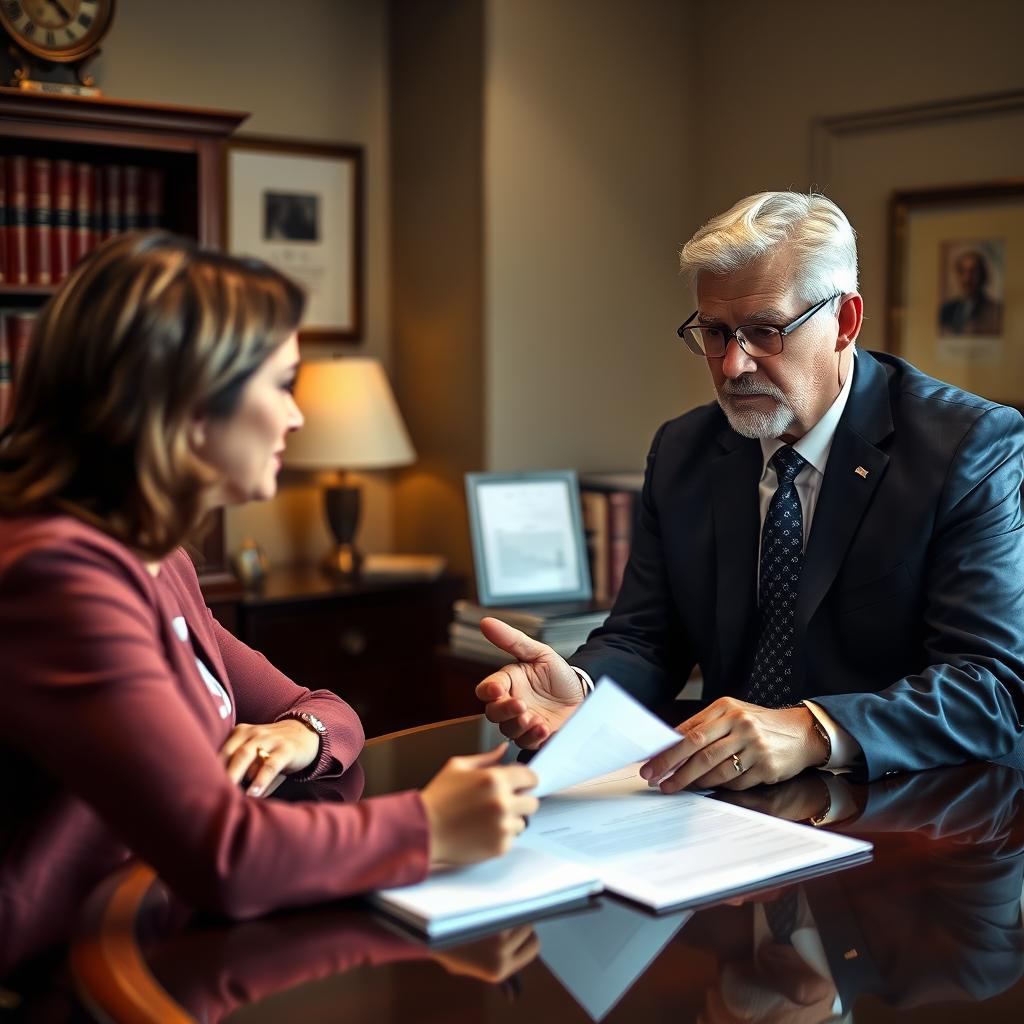
Felony Conviction Divorce Lawyer Fluvanna County, VA
When a spouse is convicted of a felony and sentenced to more than a year in confinement, Virginia law permits the other spouse to seek a divorce without a separation period. This fault-based ground—found in Virginia Code § 20‑91—allows the innocent spouse to move forward with ending the marriage once the conviction and sentence are established. At Law Offices Of SRIS, P.C., Mr. Sris and his Of Counsel represent clients in Fluvanna County who wish to file for divorce on the grounds of a spouse’s felony conviction. The Fluvanna County Circuit Court at 72 Main Street, Suite B, Palmyra handles all divorce matters in the county. If you are considering a felony conviction divorce, reach Law Offices Of SRIS, P.C. at (888) 437‑7747 to request a consultation. Law Offices Of SRIS, P.C. — Advocacy Without Borders.
What Felony Conviction Divorce Means in Fluvanna County
Under Virginia law, a spouse may file for divorce when the other spouse has been sentenced to confinement for more than one year for a felony, provided the offense occurred after the marriage. This is a fault‑based ground, and unlike no‑fault divorce, it does not require a period of separation. The petitioner must prove the conviction and the sentence through court records, and the Circuit Court in Fluvanna County has exclusive original jurisdiction to hear the divorce case. The proper pleading is a Complaint for Divorce—not a “Complaint”—and it must allege the statutory ground and the underlying criminal case.
Once the Complaint is filed, the non‑filing spouse must be served, even if incarcerated. The court can then proceed to address property division, spousal support, and, if there are minor children, custody and child support. Because the conviction may affect equitable distribution factors under Virginia Code § 20‑107.3—such as the circumstances that contributed to the dissolution of the marriage—working with experienced counsel helps ensure the court has the information it needs to make a fair determination.
How Mr. Sris and His Of Counsel Handle Felony Conviction Divorce Cases
Mr. Sris and his Of Counsel begin by evaluating the specific circumstances: the nature of the conviction, the length of the sentence, and the period remaining on confinement. They gather certified records of the criminal judgment and sentence, prepare the Complaint, and file it in Fluvanna County Circuit Court. Where service on an incarcerated spouse presents logistical hurdles, the team works through the alternative service mechanisms available under Virginia law to keep the case moving forward.
Throughout the process, Mr. Sris and his Of Counsel focus on achieving a resolution that addresses property division, spousal support, and any child‑related matters. They are familiar with the procedures and expectations of the Fluvanna County courts and can present the evidence needed to establish the felony‑conviction ground. Because the timelines of contested divorce proceedings depend on court scheduling and the complexity of the financial issues, the team manages each step to advance the matter efficiently while safeguarding the client’s interests.
About Mr. Sris and His Of Counsel Team
Mr. Sris, Owner and Founder of Law Offices Of SRIS, P.C., established the firm in 1997 and has practiced family law in Virginia for decades. He is admitted in Virginia, Maryland, the District of Columbia, New Jersey, and New York. Mr. Sris testified before the Virginia House Courts of Justice Committee in support of 2019 HB 635 (chief patron Del. David Bulova), a bill that revised the equitable‑distribution provisions of Virginia Code § 20‑107.3. His Of Counsel—attorneys engaged through Excella—bring additional experience in family law and litigation. Together, Mr. Sris and his Of Counsel draw on more than 120 years of combined legal experience. Results may vary. Mr. Sris and his Of Counsel have documented 4,739+ case results across all practice areas since 1997.
Frequently Asked Questions
What does Virginia law require to get a divorce based on a spouse’s felony conviction?
A divorce on felony‑conviction grounds requires proof that the spouse was sentenced to confinement for more than a year for a felony committed after the marriage. Virginia Code § 20‑91 lists this as a fault ground. The petitioner must provide certified records of the conviction and sentence. Because no separation period is needed, a divorce can proceed as soon as the documentary evidence is obtained and the Complaint is filed in the appropriate Circuit Court. An experienced attorney can help gather the necessary documents and present them to the court.
Do I need an attorney to file for a felony conviction divorce in Fluvanna County?
While you are not required to hire an attorney, having experienced counsel simplifies the process, especially when one spouse is incarcerated. Proving the conviction, ensuring proper service on an imprisoned spouse, and addressing property division under equitable‑distribution factors all involve legal and procedural steps that are challenging to navigate alone. Mr. Sris and his Of Counsel can handle each stage and advocate for a resolution that reflects the specific facts of your case.
How does a spouse’s incarceration affect property division and support?
Incarceration can influence the court’s equitable‑distribution analysis, particularly the factors that examine why the marriage dissolved. Virginia Code § 20‑107.3 requires the court to divide marital property fairly, not necessarily equally. Evidence of a felony conviction may affect the weighing of factors like the circumstances that led to the end of the marriage. Similarly, spousal support determinations consider the earning capacity and fault of each party. An attorney can present evidence to ensure the court has the full picture.
Can the convicted spouse contest a divorce based on felony conviction?
Yes, the incarcerated spouse may file an answer and oppose the divorce, but the statutory ground itself is clear once the conviction and sentence are proven. If the spouse contests property division, support, or custody, additional hearings will be necessary. The Fluvanna County Circuit Court schedules hearings according to its calendar. Contested matters often extend the timeline, but the felony‑conviction ground remains available as a basis for ending the marriage regardless of opposition.
What is the process for serving divorce papers on an incarcerated spouse?
Service of process on an incarcerated spouse in Virginia follows the same rules as any other civil defendant, but the logistics may be more complex. Typically, a sheriff or private process server delivers the Complaint and summons to the facility where the spouse is held. If personal service is not feasible, the court may permit alternative service, such as service by order of publication. Your attorney will determine the quickest and most reliable method given the circumstances.
How long does a felony conviction divorce take in Fluvanna County?
The timeline depends on whether the divorce is contested, the court’s docket, and the complexity of the property and custody issues. An uncontested felony‑conviction divorce in which the non‑filing spouse does not oppose the proceeding can be finalized more quickly than a contested case. When disputes over marital assets or support arise, the process may extend by several months. Mr. Sris and his Of Counsel work with clients to move the matter forward while respecting the court’s schedule.
Family Law Lawyer Fairfax County, VA ·
Family Law Attorney Prince William County ·
Manassas Family Law Representation ·
Divorce Lawyer Falls Church
Attorney advertising. Prior results do not guarantee a similar outcome. Results may vary.
Case results depend on a variety of factors unique to each case.