
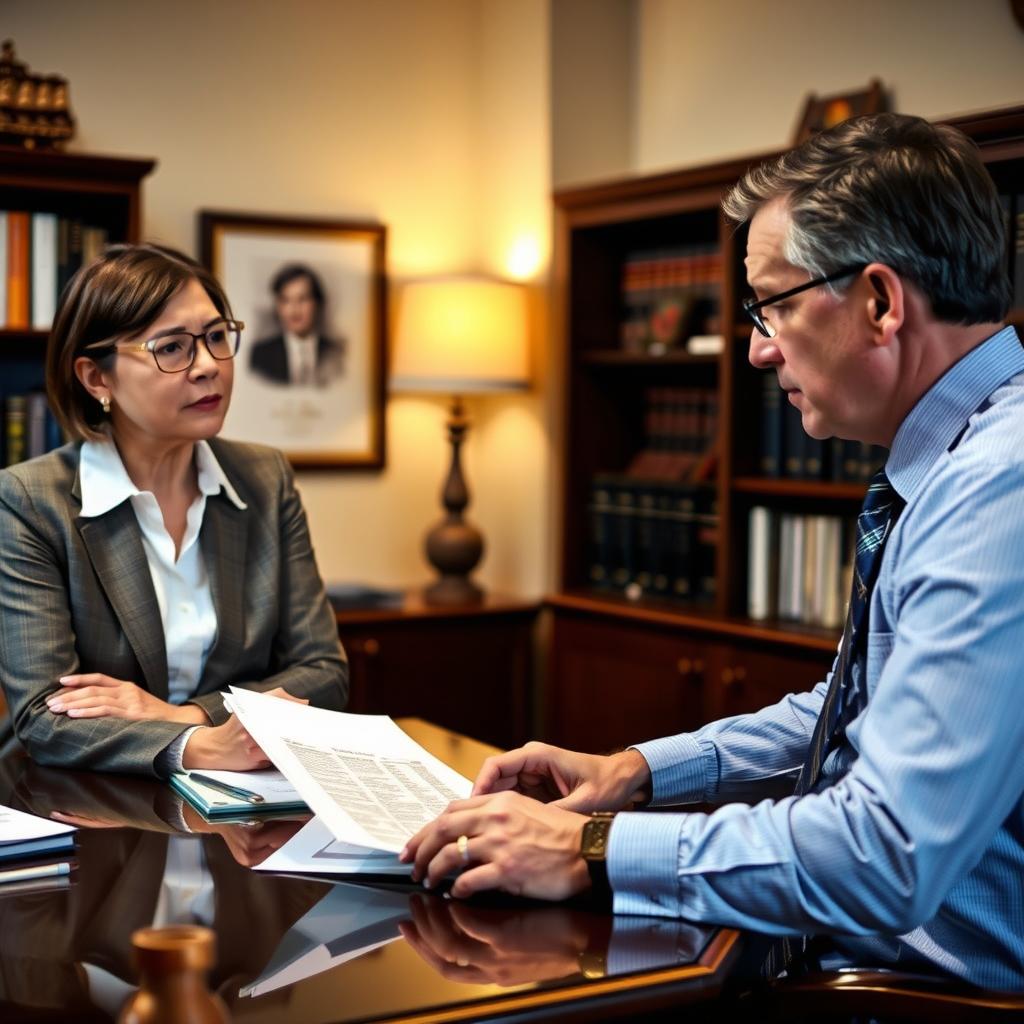
Fault Based Divorce Lawyer Fauquier County, VA
When a marriage ends because of a spouse’s misconduct, Virginia law allows you to file a fault-based divorce. In Fauquier County, these cases are heard before the Fauquier County Circuit Court, which has exclusive jurisdiction over divorce and equitable distribution. Mr. Sris, the Owner and Founder of Law Offices Of SRIS, P.C., and his Of Counsel represent clients seeking a divorce on fault grounds—including adultery, cruelty, and willful desertion. The team works from the firm’s Fairfax Location, appearing regularly in Fauquier County courts. A fault finding can affect property division, spousal support, and child custody determinations, making it important to build a well-supported case from the start. To discuss your situation and learn how to proceed under Virginia law, reach our location at (888) 437-7747. Law Offices Of SRIS, P.C. — Advocacy Without Borders.
What Fault Based Divorce Means in Fauquier County
Virginia is one of the states that still recognizes fault as a basis for an absolute divorce. Under Va. Code § 20-91, a party may seek a divorce from the bond of matrimony on several fault grounds: adultery; cruelty or a reasonable apprehension of bodily harm; willful desertion or abandonment for one year; or a felony conviction resulting in imprisonment for more than one year. These grounds, if proven to the satisfaction of the Fauquier County Circuit Court, can change the course of a divorce proceeding—particularly regarding spousal support and equitable distribution—as the court may weigh the circumstances that led to the breakdown of the marriage. The Fauquier County Circuit Court, located at 6 Court Street in Warrenton, is the forum for all divorce, property division, and spousal support matters in the county, while standalone custody and support issues are handled in the Juvenile and Domestic Relations District Court.
For residents of Warrenton, New Baltimore, Bealeton, Marshall, The Plains, and the surrounding areas, mounting a fault-based divorce case means more than alleging misconduct. A party alleging a fault ground bears the burden of presenting corroborated evidence—whether through documentary records, witness testimony, or other admissible material. Because the court will ultimately decide the weight of that evidence, the approach taken in gathering and presenting it can significantly influence the outcome. Mr. Sris and his Of Counsel concentrate much of their family law practice on helping clients navigate these evidentiary requirements and present their case in a manner consistent with Virginia civil procedure.
How Mr. Sris and His Of Counsel Handle Fault Based Divorce Cases
When a client chooses to pursue a fault-based divorce, the legal team begins by examining the grounds available under Va. Code § 20-91 and assessing the evidence the client can marshal. Conversations with the client focus on identifying witnesses, documents, and circumstantial facts that can establish the statutory requirements for a particular fault ground. Where appropriate, the attorneys may engage independent professionals—such as forensic accountants for complex property division—to strengthen the evidentiary picture. Early in the process, counsel works to determine whether a resolution outside the courtroom is possible or whether litigation is the only realistic path.
If the case proceeds to litigation, the court will ultimately decide the contested issues. Mr. Sris and his Of Counsel represent clients at all stages, from discovery and depositions through settlement conferences and trial. The team’s approach is built on thorough preparation: identifying the key elements required to prove a fault ground, anticipating the other side’s counterarguments, and presenting the client’s position clearly and professionally. While no attorney can guarantee a particular outcome, the firm’s litigation experience in Fauquier County and across Northern Virginia helps clients pursue a divorce decree that accurately reflects the circumstances that led to the end of the marriage. Every case is unique, so the team tailors its strategy to the specific facts and the client’s goals.
About Mr. Sris and His Of Counsel Team
Mr. Sris, Owner and Founder of Law Offices Of SRIS, P.C., founded the firm in 1997. A former prosecutor, he brings an understanding of courtroom dynamics to every family law matter he handles. Mr. Sris testified before the Virginia House Courts of Justice Committee in support of 2019 HB 635 (chief patron Del. David Bulova). He is admitted to practice in Virginia, Maryland, the District of Columbia, New Jersey, and New York. Alongside Mr. Sris, the firm’s Of Counsel team contributes extensive litigation experience in family law matters, with each attorney engaged through Excella and bringing well over a decade of practice to the firm. Together, Mr. Sris and his Of Counsel have documented 4,739+ case results across all practice areas since 1997. Results may vary.
For individuals researching fault-based divorce options in Fauquier County, speaking with the firm provides the opportunity to understand how a particular ground may apply to their circumstances and what the litigation process might look like. Mr. Sris and his Of Counsel are available to discuss the merits of a potential case during a consultation—reach the firm at (888) 437-7747 to schedule an appointment.
Frequently Asked Questions
What are the grounds for a fault-based divorce in Virginia?
A fault divorce in Virginia may be granted based on adultery, cruelty, willful desertion for one year, or a felony conviction resulting in imprisonment exceeding one year. These grounds are enumerated in Va. Code § 20-91. Unlike a no-fault divorce, which requires a period of separation, a fault-based divorce can be filed without waiting, provided adequate evidence exists. A party alleging a fault ground must present corroborated evidence at a hearing before the Fauquier County Circuit Court. If the evidence satisfies the statutory standard, the court may grant the divorce and consider the misconduct when addressing equitable distribution, spousal support, and, in some cases, child custody and visitation. For practical guidance on proving fault, consult Mr. Sris at (888) 437-7747.
How does proving fault affect property division?
Under Virginia’s equitable distribution statute, the court may weigh marital fault when deciding how to divide property and whether to award spousal support. lists factors the court considers, including the circumstances that led to the dissolution of the marriage. If the court finds that one spouse’s adultery or cruelty contributed to the marriage’s end, that finding can influence the division of marital property—though it does not automatically deprive the at-fault spouse of a share. The weight given to fault varies from case to case, depending on the evidence and the judge’s assessment. Mr. Sris and his Of Counsel help clients understand how a fault finding could impact the financial aspects of their divorce.
Do I need to prove fault to get a divorce in Fauquier County?
No, Virginia also allows no-fault divorce after a one-year separation (or six months with a signed agreement and no minor children), so proving fault is not a requirement for ending a marriage. Many couples choose the no-fault route to avoid the expense and emotional toll of a contested trial. However, a fault-based divorce may be appropriate when a spouse wants the court’s formal recognition of the other’s misconduct, or when the timing of financial remedies is critical. The decision ultimately depends on the particular circumstances of the case. An attorney can explain the advantages and drawbacks of each approach during a consultation. Reach Law Offices Of SRIS, P.C. at (888) 437-7747 to discuss your situation.
What if my spouse contests the fault allegations?
A contested fault-based divorce proceeds to trial, where both sides present evidence and the judge decides whether the alleged ground has been proved by a preponderance of the evidence. If the spouse denies the allegations, the case will likely involve discovery requests, depositions, and possibly subpoenas for records. This adversarial process can lengthen the timeline and increase costs. Preparation is essential: the moving party must identify witnesses and documentary evidence that corroborate the claimed misconduct. Mr. Sris and his Of Counsel prepare cases for trial by intensively reviewing the facts, identifying inconsistencies in the opposing side’s narrative, and presenting the client’s case with clarity.
How long does a fault-based divorce take in Fauquier County?
The timeline for a fault-based divorce varies widely, depending on whether the defendant contests the allegations and the court’s scheduling availability. An uncontested fault divorce—where the defendant does not oppose the complaint—may be resolved in a matter of a few months after the initial filing. A fully contested case, on the other hand, often stretches to a year or more because of discovery, motions practice, and the wait for a trial date. Complex equitable distribution involving business valuations or retirement assets further extends the process. The Fauquier County Circuit Court’s calendar is a factor beyond the control of any attorney. For a more precise estimate, contact Law Offices Of SRIS, P.C. at (888) 437-7747 to discuss the specific steps likely in your case.
How can I reach a fault-based divorce lawyer in Fauquier County?
You can contact Law Offices Of SRIS, P.C. at (888) 437-7747 to schedule a consultation with Mr. Sris or his Of Counsel team regarding a fault-based divorce in Fauquier County. The firm serves clients throughout the county from its Fairfax Location and is available to discuss your situation, explain the evidence needed for various fault grounds, and outline the litigation path that may lie ahead. Consultations are by appointment; call the toll-free number to arrange a time that works for you. The team provides representation in all Fauquier County family law courts.
For additional information about family law representation in nearby counties, see:
- Family Law Lawyer Fairfax County, VA
- Family Law Lawyer Prince William County, VA
- Family Law Lawyer Loudoun County, VA
Related official resources:
Attorney advertising. Prior results do not guarantee a similar outcome. Results may vary.
Case results depend on a variety of factors unique to each case.